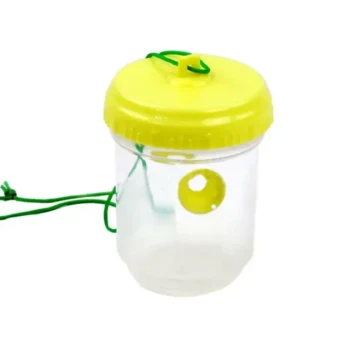
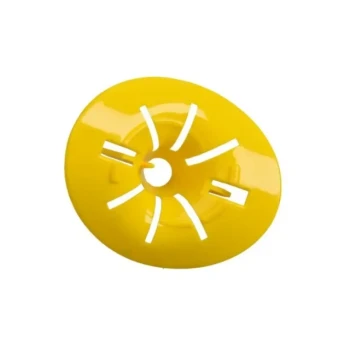
A pollen trap functions as a mechanical interception device designed to harvest pollen loads from foraging bees as they return to the hive.
It operates by forcing bees to navigate through grids containing precise apertures. The physical friction generated by passing through these specific hole sizes causes the pollen pellets attached to the bees' hind legs to detach and fall into a lower collection drawer, all without harming the insect.
Core Insight: The pollen trap is the fundamental hardware for obtaining large-scale, representative biological samples. It transforms the hive entrance into a data collection point, enabling botanical origin analysis and environmental monitoring without requiring invasive interaction with the colony.
The Mechanics of Interception
Precision Aperture Grids
The effectiveness of a pollen trap relies on its physical structure. It utilizes a barrier of grids with specific apertures placed directly in the bees' flight path.
These openings are calculated to allow the body of the worker bee to pass through but are too narrow to accommodate the additional width of the pollen loads carried on their legs.
Friction-Based Separation
As the bee pushes through the grid, the mechanical resistance acts as a scraper. This process strips the pollen pellets from the corbiculae (pollen baskets) on the hind legs.
Gravity then takes over, causing the dislodged pellets to fall through a secondary screen into a secure collection box, isolating the sample from the bees to prevent re-collection or contamination.
Critical Applications of Pollen Collection
Botanical Origin Analysis
According to primary research, the core function of this equipment is to secure samples for botanical origin analysis.
By collecting a representative mix of pollen brought back to the hive, researchers can identify exactly which plant species the colony is visiting, mapping the local floral diversity.
Environmental Exposure Monitoring
Beyond simple identification, these traps provide raw materials for chemical analysis. The collected pollen acts as an environmental sensor.
Analysts use these samples to detect pesticide residues or pollutants, quantifying the dietary structure of the hive and assessing potential environmental risks to the colony.
Nutritional and Yield Assessment
For beekeepers and researchers, the trap provides quantitative data. It allows for the measurement of colony foraging intensity and the abundance of local environmental resources.
This data is essential for producing mono-floral diets for study or simply evaluating if the surrounding environment provides sufficient nutrition for colony development.
Operational Trade-offs and Considerations
Efficiency vs. Colony Health
While the references confirm that the physical process does not injure the individual bee, the removal of pollen impacts the colony's resources.
Beekeepers must balance the efficiency of the trap with the colony's need for protein. Continuous use without management can negatively impact colony development and brood rearing.
Sample Purity
The trap is designed for non-destructive harvesting, but it is a "catch-all" device.
The samples collected are mixed loads from various plant sources. While excellent for diversity analysis, obtaining pure, single-source pollen requires careful timing based on floral bloom cycles rather than hardware settings alone.
Making the Right Choice for Your Goal
To maximize the utility of a pollen trap, align your usage pattern with your specific objective:
- If your primary focus is Botanical Research: Prioritize consistent sampling intervals to obtain a representative timeline of local flora and foraging shifts.
- If your primary focus is Environmental Monitoring: Ensure the trap is clean and inert to prevent cross-contamination when analyzing for sensitive chemical residues like pesticides.
- If your primary focus is Commercial Production: Monitor the hive's brood health closely, using the trap intermittently to ensure the colony retains enough protein for its own survival.
Effective pollen trapping turns a biological byproduct into a critical stream of data regarding hive health and environmental quality.
Summary Table:
| Feature | Mechanism/Function | Key Benefit |
|---|---|---|
| Aperture Grids | Mechanical friction based on precise hole sizes | Detaches pollen pellets without harming the bees |
| Collection Drawer | Gravity-fed isolation from the hive entrance | Prevents re-collection and maintains sample purity |
| Botanical Analysis | Representative sampling of floral sources | Maps local floral diversity and foraging patterns |
| Environmental Monitoring | Chemical analysis of collected samples | Detects pesticide residues and pollutants in the area |
| Yield Assessment | Quantitative measurement of foraging intensity | Evaluates colony health and local resource abundance |
Maximize Your Apiary's Potential with HONESTBEE
Are you looking to scale your pollen collection or enhance your environmental monitoring capabilities? HONESTBEE provides professional-grade beekeeping solutions tailored for commercial apiaries and global distributors.
Our extensive wholesale portfolio includes:
- Precision Pollen Traps & Harvesting Equipment
- Advanced Hive-Making and Honey-Filling Machinery
- Comprehensive Beekeeping Hardware & Industry Consumables
- Exclusive Honey-Themed Cultural Merchandise
Partner with us to access high-quality tools that drive efficiency and data-driven results for your business. Contact us today to discuss your wholesale needs and see how HONESTBEE can support your growth in the beekeeping industry.
References
- Juliana A. Changazzo, Cristina R. Salgado Laurenti. Preferencias alimentarias de Apis mellifera L. en el Chaco Semihúmedo Central. DOI: 10.30972/agr.0284071
This article is also based on technical information from HonestBee Knowledge Base .
Related Products
- Removable Plastic Pollen Trap With Ventilated Tray for Bees Pollen Collector
- 30 cm Plastic Entrance Hole Bee Pollen Trap and Collector
- Plastic Bee Pollen Trap Strips Comb Catcher Collector
- High-Efficiency Diamond Maze Bee Escape for Clearing Supers
- Professional Bucket Style Wasp and Moth Pheromone Trap
People Also Ask
- What are the design principles and advantages of pollen traps in the collection of bee pollen? Boost Your Apiary Yield
- What is the function of professional pollen traps in evaluating honey plants? Quantifying Pollination and Crop Potential
- What functions do pollen traps serve for bee bread production? Optimize Your Raw Material Collection
- What maintenance and pest prevention measures should be taken for pollen traps? Protect Your Hive and Harvest Quality
- How does the use of pollen traps in honeybee hives enhance crop fertilization? Boost Your Yield Through Induced Activity