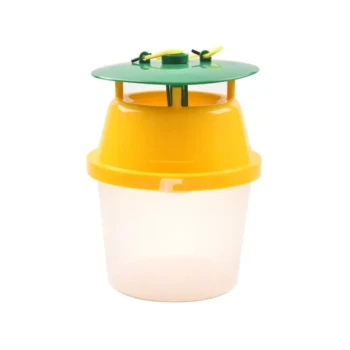
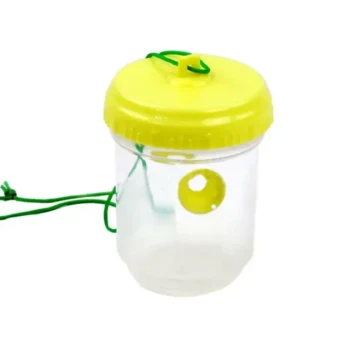
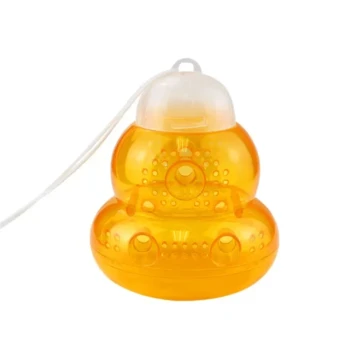
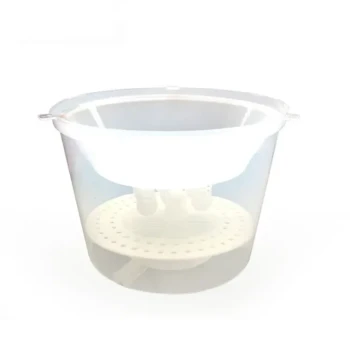
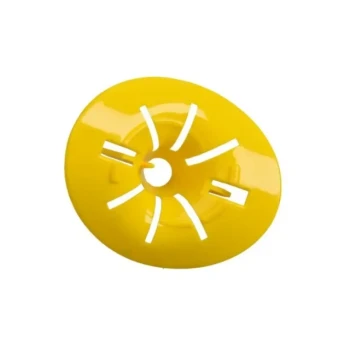
A pollen trap is a specialized mechanical sampling device installed at the entrance of a beehive designed to intercept foraging bees as they return to the colony. By forcing the bees to crawl through a mesh with specifically sized narrow gaps, the device gently brushes pollen pellets off their hind legs and into a secure collection drawer below.
The pollen trap serves as a critical bridge between field activity and laboratory analysis. It allows researchers and beekeepers to obtain physical samples that reveal the colony's nutritional intake and the chemical safety of the surrounding environment.
The Mechanics of Collection
The Mesh Barrier
The core component of the trap is an internal mesh or grid. This barrier is calibrated to be just wide enough for a worker bee to pass through, but narrow enough to obstruct the pollen loads attached to their corbiculae (pollen baskets).
The Collection Drawer
As the bee squeezes through the gap, the pollen pellets are mechanically dislodged. These pellets fall through a lower screen—which excludes the bees—and accumulate in a collection drawer for easy retrieval by the technician.
Scientific Applications for Monitoring
Analyzing Nutritional Intake
The primary biological function of the trap is to assess the diet of the colony. By collecting these pellets, researchers can identify which plant species the bees are visiting, providing data on local biodiversity and the nutritional quality of available forage.
Detecting Environmental Contaminants
Pollen traps are essential tools for environmental toxicology. Because pollen can retain chemical residues, the samples collected are frequently analyzed to detect the presence of agricultural pesticides, helping to map chemical exposure risks in the area.
Operational Considerations and Trade-offs
Acclimatization Periods
Bees require time to adjust to changes in their hive configuration. When using top-mounted traps or altering entrances, a new entrance should be established 1-2 weeks prior to installing the actual trap to ensure the bees accept the flight path.
Nutritional Impact on the Colony
It is vital to remember that the pollen collected by the trap is food stolen from the colony. Continuous trapping can lead to nutritional stress and hinder brood rearing; therefore, traps are typically used for specific sampling intervals rather than permanently.
Making the Right Choice for Your Goal
To use a pollen trap effectively, you must balance data collection with colony health.
- If your primary focus is nutritional analysis: Ensure you sample at different times of the season to capture the shifting diversity of floral resources.
- If your primary focus is pesticide monitoring: Prioritize consistent sampling schedules to correlate pollen intake with local agricultural spraying events.
By using these devices judiciously, you transform the hive into a living biosensor that monitors the health of the entire ecosystem.
Summary Table:
| Feature | Function & Purpose |
|---|---|
| Core Mechanism | Mesh barrier that dislodges pollen pellets from foraging bees |
| Biological Data | Identifies plant species visited and evaluates forage nutritional quality |
| Environmental Monitoring | Detects pesticide residues and agricultural chemical exposure |
| Operational Key | Requires 1-2 week acclimatization to prevent colony disruption |
| Colony Management | Periodic use recommended to avoid nutritional stress on brood rearing |
Maximize Your Apiary Productivity with HONESTBEE
As a professional in the beekeeping industry, you need reliable tools that provide actionable insights without compromising colony health. HONESTBEE specializes in supporting commercial apiaries and distributors with a comprehensive wholesale range of high-performance beekeeping machinery and essential consumables.
From advanced hive-making and honey-filling machines to professional-grade monitoring equipment and honey-themed cultural merchandise, we provide the full spectrum of solutions to scale your business. Our team is ready to help you optimize your operations and supply chain.
Contact HONESTBEE Today to Discuss Your Wholesale Needs
References
- Matthew Smart, Marla Spivak. Land use in the Northern Great Plains region of the U.S. influences the survival and productivity of honey bee colonies. DOI: 10.1016/j.agee.2016.05.030
This article is also based on technical information from HonestBee Knowledge Base .
Related Products
- Removable Plastic Pollen Trap With Ventilated Tray for Bees Pollen Collector
- 30 cm Plastic Entrance Hole Bee Pollen Trap and Collector
- Plastic Bee Pollen Trap Strips Comb Catcher Collector
- High-Efficiency Diamond Maze Bee Escape for Clearing Supers
- Professional Bucket Style Wasp and Moth Pheromone Trap
People Also Ask
- What are the design principles and advantages of pollen traps in the collection of bee pollen? Boost Your Apiary Yield
- What is the function of professional pollen traps in evaluating honey plants? Quantifying Pollination and Crop Potential
- What functions do pollen traps serve for bee bread production? Optimize Your Raw Material Collection
- What maintenance and pest prevention measures should be taken for pollen traps? Protect Your Hive and Harvest Quality
- How does the use of pollen traps in honeybee hives enhance crop fertilization? Boost Your Yield Through Induced Activity