In the context of the modified Doolittle method, high-strength acrylic queen cells function as durable, standardized artificial carriers designed to house transferred worker bee larvae. These components serve as the foundational interface between the beekeeper's grafting technique and the hive's biological response.
By holding the larva and a priming dose of diluted royal jelly, the acrylic cell simulates the physical architecture of a natural queen cup. This mimicry is essential for triggering the colony's nursing instincts, allowing for the intensive, large-scale management of queen production that modern beekeeping requires.
Core Takeaway Acrylic queen cells bridge the gap between biological necessity and industrial efficiency. They provide a uniform, reusable structure that mimics nature well enough to fool the bees, while offering the durability and standardization required for commercial mass production.
The Mechanics of Simulation
Mimicking Natural Architecture
In a natural hive, worker bees construct wax "cups" when preparing to raise a new queen. Acrylic cells differ in material but replicate the specific physical space and dimensions of these natural structures.
This spatial mimicry is the primary trigger for the hive. It signals to the nurse bees that the larva contained within is distinct from a standard worker and requires special attention.
The Vessel for Nutrition
The acrylic cell acts as a precise reservoir for diluted royal jelly.
According to the primary reference, this nutritional bed is critical for early larval development. The acrylic cup holds this liquid efficiently, preventing it from drying out or absorbing into the material, which helps sustain the larva immediately after the stress of grafting.
Enabling Intensive Management
Standardization of Equipment
Traditional wax cups vary in shape and fragility. In contrast, acrylic cells are standardized consumables.
This uniformity ensures that every grafted larva has an identical amount of space for development. It eliminates structural variables that could lead to inconsistent queen quality or rejection by the hive.
Durability and Handling
The "high-strength" nature of these acrylic components allows for intensive management.
Beekeepers can handle these cells rapidly during the grafting process without fear of crushing them. This durability is vital for the modified Doolittle method, which relies on speed and volume to be commercially viable.
Understanding the Trade-offs
The Acceptance Factor
While acrylic cells are efficient, they are foreign objects to the hive. Unlike natural wax, which is produced by the bees themselves, acrylic requires "convincing."
Success relies heavily on the presence of royal jelly and the correct larval age (approximately 24 hours). Without these biological cues, the bees may treat the plastic cup as debris rather than a royal chamber.
Hygiene and Maintenance
Because these are often reused in commercial settings, they become a vector for potential contamination if not managed correctly.
While wax cells are typically torn down or rebuilt by bees, high-strength acrylic cells must be manually cleaned or treated as consumables to maintain the high sanitation standards required for quality queen rearing.
Making the Right Choice for Your Goal
To apply this to your operation, consider your specific production targets:
- If your primary focus is Commercial Scale: Prioritize high-strength acrylic cells to reduce grafting time and ensure every larva has a uniform growth environment.
- If your primary focus is Acceptance Rates: Ensure you are using the acrylic cells in conjunction with ample diluted royal jelly to bridge the gap between the artificial material and the biological need.
Success in the modified Doolittle method lies not just in the grafting, but in providing a standardized home that the bees accept as their own.
Summary Table:
| Feature | Function in Modified Doolittle Method | Benefit for Commercial Rearing |
|---|---|---|
| Structural Mimicry | Replicates dimensions of natural wax queen cups | Triggers nursing instincts and queen cell building |
| Nutritional Reservoir | Holds diluted royal jelly and larvae securely | Prevents desiccation and supports early larval growth |
| Standardization | Uniform size and shape for every graft | Ensures consistent queen quality and colony acceptance |
| High-Strength Material | Durable acrylic construction | Allows for rapid handling and high-volume management |
Elevate Your Commercial Apiary with HONESTBEE
At HONESTBEE, we understand that precision is the backbone of successful queen rearing. As a leading partner for commercial apiaries and distributors, we provide a full spectrum of high-performance beekeeping machinery and essential consumables designed for industrial efficiency.
From high-strength acrylic queen cells and grafting tools to advanced honey-filling machines and hive-making equipment, our wholesale portfolio is built to scale your operations. Partner with us to access professional-grade hardware and honey-themed cultural merchandise that drives growth.
Ready to optimize your production? Contact our experts today to discuss how our comprehensive equipment solutions can benefit your business.
References
- Maria Cláudia Colla Ruvolo-Takasusuki, Denise Alves Lopes. Relationship Between Hygienic Behavior and Varroa destructor Mites in Colonies Producing Honey or Royal Jelly. DOI: 10.13102/sociobiology.v59i1.682
This article is also based on technical information from HonestBee Knowledge Base .
Related Products
- JZBZ Type Wide Base Plastic Queen Cell Cups for Base Mounting and Queen Rearing
- Clear Black Plain Polystyrene Queen Bee Grafting Cell Cups No Lug for Bee Queen Cup
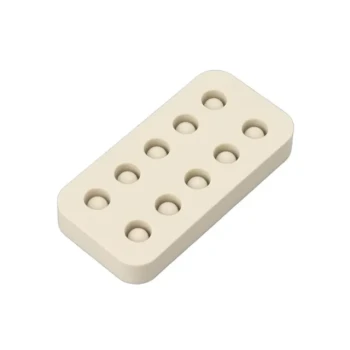
- 10-Cell Silicone Beeswax Bee Queen Cups Forming Mold
- Brown Nicot Queen Cell Cups for Breeding Queen Bees Beekeeping
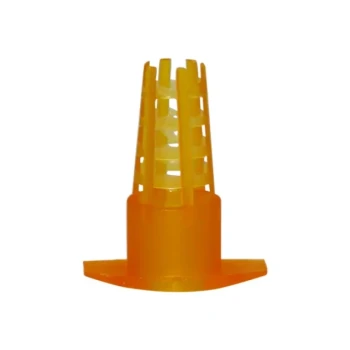
- JZBZ Style Shipping Cell Protector for Queen Rearing Kit
People Also Ask
- What is the primary function of commercial plastic queen cell cups? Driving Efficiency in Mass Queen Rearing
- What are the primary advantages of using plastic queen cell cups? The Industrial Choice for High-Efficiency Apiaries
- What technical advantages do commercial plastic queen cell cups offer? Scale Your Queen Rearing for Maximum Efficiency
- What is the function of standardized plastic Queen Cell Cups? Boost Efficiency in Commercial Larval Grafting
- Why are standardized plastic queen cell cups preferred? Boost Commercial Queen Rearing Efficiency