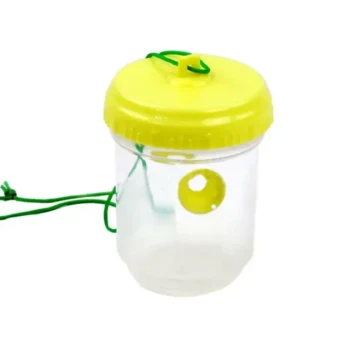
An industrial-grade commercial pollen trap is a precision mechanical device installed at the beehive entrance designed to intercept and strip pollen pellets from foraging worker bees.
Its function is twofold: mechanically harvesting raw pollen for commercial production and establishing strict dietary boundaries for experimental research. By forcing bees to pass through specific physical grids, the device separates the pollen load from the bee's hind legs before it enters the hive, allowing the operator to collect or restrict the colony's natural protein source.
Core Takeaway By mechanically regulating the entry of natural pollen, these traps transform a hive from a simple gathering unit into a controlled environment. They allow researchers to dictate the colony's exact protein intake for nutritional studies while enabling commercial apiaries to automate the collection of high-purity pollen for market diversification.
The Mechanics of Pollen Interception
Precision Entrance Barriers
The trap is mounted directly at the hive entrance, acting as the sole gateway for returning foragers.
It utilizes precisely calculated apertures or grids. These openings are large enough to admit the worker bee but too narrow to allow the pollen pellets attached to their hind legs (pollen baskets) to pass through attached.
Non-Destructive Stripping
As the bee navigates the grid, the physical barrier effectively scrapes or "strips" the pollen pellets off.
This process is designed to be non-destructive to the bee, ensuring the workforce remains active while the pollen falls into a secure collection drawer or tray below.
Automated Collection
This mechanism converts pollen harvesting from a manual, labor-intensive task into an automated, scalable process.
It ensures the raw material is separated immediately upon arrival, maintaining high cleanliness levels essential for industrial processing.
Application in Experimental Control
Regulating Protein Intake
In a research setting, the primary function of the trap is nutritional restriction.
By blocking natural pollen, scientists can precisely control the colony's protein levels. This eliminates variables caused by random foraging, ensuring the data reflects the colony's actual physiological status under specific constraints.
Forcing Substitute Consumption
According to the primary technical protocols, the trap is the essential tool for testing artificial diets.
When natural pollen is blocked, the colony is forced to consume experimental pollen substitutes with specific formulations. This allows researchers to measure the efficacy of synthetic feeds without the "noise" of wild pollen contaminating the results.
Environmental Sampling
The trap converts the colony into a biological sampling unit.
By collecting the stripped pellets, researchers obtain a direct representation of local floral resources. This material is used for botanical identification, analyzing volatile organic compounds (VOCs), and determining lipid compositions of the surrounding environment.
Commercial Utility
Product Diversification
For commercial operations, the trap facilitates a shift from a single-product model (honey only) to a diversified revenue model.
It enables the efficient harvesting of fresh bee pollen and propolis alongside honey, increasing the economic yield per hive.
Quality Assurance
Industrial traps are designed to maximize purity.
By intercepting the pollen before it is stored in the comb, the trap prevents contamination and degradation, yielding a "fresh" product suitable for human consumption or high-grade processing.
Understanding the Trade-offs
Colony Nutrition Management
The most critical operational risk is nutritional starvation.
While the trap is efficient, it must not block 100% of incoming pollen indefinitely. Commercial operators must manage the trap to ensure the colony retains sufficient nutritional supplies for brood rearing and colony growth.
Use in "Pulsed" Intervals
To mitigate stress on the bees, these traps are often used in specific time periods or intervals.
This allows for the systematic collection of samples or products without compromising the long-term viability of the workforce.
Making the Right Choice for Your Goal
Whether you are conducting a nutritional study or expanding an apiary business, the application of this hardware changes based on your objective.
- If your primary focus is Experimental Research: Use the trap to create a "pollen dearth" environment that forces the colony to rely solely on your specific experimental protein formulations.
- If your primary focus is Commercial Production: Implement the trap on a rotational schedule to maximize harvest yield while allowing enough "trap-free" days for the colony to sustain its own population.
The industrial pollen trap is not just a harvesting tool; it is a flow-control valve for the colony's most vital resource: protein.
Summary Table:
| Feature | Commercial Function | Experimental Function |
|---|---|---|
| Pollen Harvesting | Automated collection for market sale | Environmental floral sampling |
| Dietary Control | Diversifies product revenue streams | Forces consumption of artificial diets |
| Colony Impact | Increases economic yield per hive | Eliminates variables in nutritional studies |
| Operational Method | Pulsed intervals for colony health | Creates a controlled 'pollen dearth' environment |
| Quality Focus | High purity for industrial processing | Accurate data on local lipid & VOC profiles |
Maximize Your Apiary’s Potential with HONESTBEE
At HONESTBEE, we specialize in empowering commercial apiaries and distributors with the high-precision tools needed to scale operations and improve efficiency. From industrial-grade pollen traps and hive-making machinery to advanced honey-filling systems, our comprehensive wholesale portfolio covers every facet of modern beekeeping.
Whether you are looking to diversify your revenue with honey-themed merchandise or require robust hardware for large-scale production, our team is dedicated to providing the equipment that drives growth. Contact us today to discover how our tailored beekeeping solutions can streamline your business and maximize your harvest yield.
References
- Christoph Sandrock, Peter Neumann. Impact of Chronic Neonicotinoid Exposure on Honeybee Colony Performance and Queen Supersedure. DOI: 10.1371/journal.pone.0103592
This article is also based on technical information from HonestBee Knowledge Base .
Related Products
- Removable Plastic Pollen Trap With Ventilated Tray for Bees Pollen Collector
- 30 cm Plastic Entrance Hole Bee Pollen Trap and Collector
- Plastic Bee Pollen Trap Strips Comb Catcher Collector
- High-Efficiency Diamond Maze Bee Escape for Clearing Supers
- Professional Multi-Component Bucket Wasp Trap
People Also Ask
- What are the design principles and advantages of pollen traps in the collection of bee pollen? Boost Your Apiary Yield
- What is the function of professional pollen traps in evaluating honey plants? Quantifying Pollination and Crop Potential
- What functions do pollen traps serve for bee bread production? Optimize Your Raw Material Collection
- What maintenance and pest prevention measures should be taken for pollen traps? Protect Your Hive and Harvest Quality
- How does the use of pollen traps in honeybee hives enhance crop fertilization? Boost Your Yield Through Induced Activity