Artificial Queen Cell Cups serve as the foundational infrastructure for systematic honey bee breeding. They function as standardized, movable vessels designed to house larvae that are less than one day old, effectively mimicking the physical architecture of natural queen cells. By replicating this specific structure, the cups trigger nurse bees within a rearing colony to secrete royal jelly, ensuring the larvae develop into queens rather than worker bees.
By standardizing the physical environment for larval development, Artificial Queen Cell Cups transform the biological process of queen rearing into a scalable management system. This allows breeders to propagate specific genetic strains with a precision and volume that natural colony reproduction cannot achieve.
The Mechanics of Mass Propagation
Mimicking Natural Architecture
The primary function of the artificial cup is biological deception. The cup’s shape and orientation signal to the colony's nurse bees that a queen is being reared.
Triggering Royal Jelly Secretion
Once the nurse bees accept the artificial cell, they begin the intensive feeding process. They fill the cup with royal jelly, the essential nutrient required to switch the larva's developmental path from worker to queen.
Facilitating Large-Scale Management
Unlike natural cells, which are built sporadically on comb, artificial cups are mounted on queen rearing frames. This allows for the simultaneous management of dozens of developing queens within a single colony.
The Role in the Broader Breeding Workflow
Standardization for Selection
Using artificial cups allows breeders to graft larvae from colonies with specific, desirable traits. This aligns with selection goals such as high productivity, gentle temperament, or mite tolerance.
Enabling Resource Conservation
Because the cups are movable, ripe queen cells can be easily transferred to specialized Mating Nuclei before emergence. This system conserves worker bee resources by using miniaturized hives for the mating phase rather than full-sized colonies.
Foundation for Data Tracking
The standardization provided by cups streamlines the subsequent tagging process. Once the queen emerges from the cup, she can be marked with a specialized tag or pen to track vital data like birth weight, insemination method, and longevity.
Understanding the Trade-offs
Critical Timing Sensitivity
The system relies entirely on the age of the grafted larvae. The primary reference specifies that larvae must be under one day old; grafting older larvae into these cups will result in intercastes or failure, regardless of the cup's quality.
Dependency on Colony Strength
While the cup provides the structure, it does not provide the nutrition. The success of artificial cups is strictly limited by the availability of nurse bees to fill them with royal jelly.
Not a Standalone Solution
Artificial cups only solve the problem of rearing the physical queen. They do not control the genetics of the offspring on their own; this requires integrating the cups with controlled mating strategies, such as Artificial Insemination (AI) or isolated mating yards.
Integrating Cell Cups into Your Breeding Program
To maximize the utility of Artificial Queen Cell Cups, consider your specific breeding objectives:
- If your primary focus is volume and scalability: Utilize these cups on high-density rearing frames to maximize the number of queens produced per nurse colony.
- If your primary focus is genetic precision: Use the cups as a transfer vessel to move specific genetic stock into controlled environments like isolated mating yards or Artificial Insemination labs.
- If your primary focus is long-term data analysis: Leverage the standardized timing of cup-rearing to synchronize queen emergence, simplifying the application of marking tags for lifespan and productivity tracking.
By turning biological chance into a standardized procedure, Artificial Queen Cell Cups provide the essential control needed to improve honey bee stock systematically.
Summary Table:
| Feature | Function in Breeding Process | Benefit to Breeder |
|---|---|---|
| Physical Architecture | Mimics natural queen cell shape | Triggers nurse bees to feed royal jelly |
| Standardization | Uniform size and mounting | Enables mass propagation and management |
| Mobility | Easily transferred between hives | Facilitates use of mating nuclei and resource conservation |
| Larval Selection | Houses specific grafted larvae | Allows for selective breeding of desirable genetic traits |
| System Integration | Synchronizes emergence timing | Simplifies marking, tagging, and data tracking |
Elevate Your Apiary with HONESTBEE Professional Solutions
At HONESTBEE, we specialize in empowering commercial apiaries and distributors with the high-precision tools necessary for modern bee breeding. Whether you are scaling up queen production or refining genetic lines, our comprehensive wholesale portfolio has you covered.
Our Value to Your Business:
- Full Spectrum Equipment: From precision queen rearing cups and frames to advanced honey-filling and hive-making machinery.
- Essential Consumables: A reliable supply of all industry-standard consumables to keep your operations running smoothly.
- Genetic Tools & Merchandise: Supporting every aspect of your business, including specialized hardware and honey-themed cultural merchandise.
Ready to transform your honey bee breeding into a high-yield, scalable management system? Let HONESTBEE be your strategic partner in success.
References
- Peter Njukang Akongte, Yong‐Soo Choi. Honey Bee Colonies (Apis mellifera L.) Perform Orientation Defensiveness That Varies among Bred Lines. DOI: 10.3390/insects14060546
This article is also based on technical information from HonestBee Knowledge Base .
Related Products
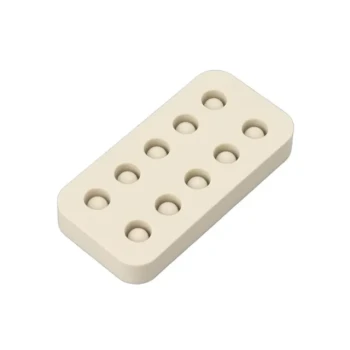
- 10-Cell Silicone Beeswax Bee Queen Cups Forming Mold
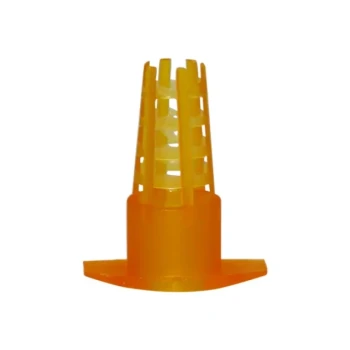
- JZBZ Type Wide Base Plastic Queen Cell Cups for Base Mounting and Queen Rearing
- Brown Nicot Queen Cell Cups for Breeding Queen Bees Beekeeping
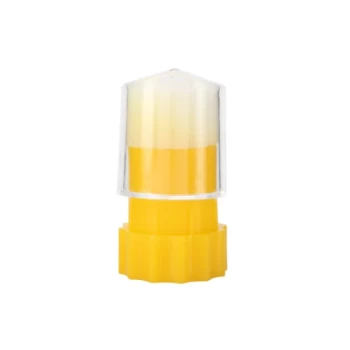
- JZBZ Push-In Queen Cell Cups for Beekeeping
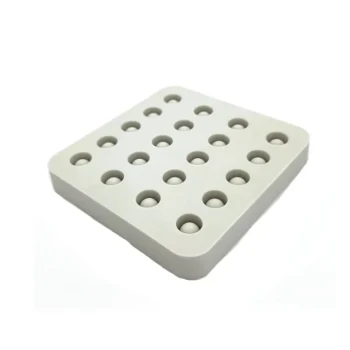
- High-Efficiency 20-Cell Silicone Mold for Beeswax Bee Queen Cup Production
People Also Ask
- How do beeswax queen cell cups function? Optimize Queen Rearing with Biological Mimicry
- What is the biological function of beeswax queen cell cups? Boost Acceptance in Artificial Queen Rearing
- What role do specialized queen rearing tools play in developing mite-resistant honeybee stock? Master Genetic Selection
- What materials are used to make artificial queen cell cups for grafting? Beeswax vs. Plastic Guide
- What roles do specialized queen cell cups play in royal jelly production? Optimize Your Hive's Secretion and Yield