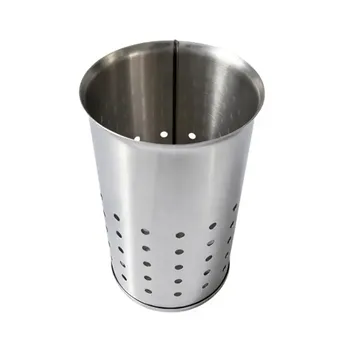
Industrial-grade metal floor inserts serve as precise diagnostic tools located at the base of the beehive. Their primary function is to act as a flat, corrosion-resistant collection surface that captures fallen Varroa mites, allowing managers to calculate the exact mortality rate caused by oxalic acid treatments.
These inserts are essential for transforming pest control from guesswork into science. They provide the verifiable data needed to compare natural mite drops against post-treatment drops, quantifying the actual acaricidal effectiveness of the solution.
The Mechanics of Assessment
Establishing a Baseline
To determine efficacy, you must first understand the severity of the infestation. The metal floor insert is placed before treatment to record the "natural mite drop."
This provides a quantitative baseline of how many mites die naturally per day. Without this control number, it is impossible to know if the treatment is working or if the colony simply has a high background mortality rate.
Capturing Treatment Results
Once the oxalic acid solution is applied, its mechanism of action begins. As noted in beekeeping pathology, the acid enters the mite through its feet and moves into the bloodstream, causing death.
The floor insert captures these chemically induced casualties. By comparing this count against the baseline, beekeepers can mathematically determine the percentage of the mite population eliminated by the acid.
Why Material Quality Matters
Resistance to Corrosion
The term "industrial-grade" is critical because oxalic acid is corrosive. A standard metal or wood tray could degrade when exposed to the acidic solution dripping down from the hive.
These specialized inserts are designed to withstand chemical exposure. This ensures the collection surface remains smooth and intact over repeated treatment cycles.
Accuracy of the Count
Diagnostic precision requires a perfectly flat surface. Industrial-grade inserts provide a standardized area that prevents mites from becoming hidden in cracks, crevices, or warped sections.
This visibility ensures that every fallen mite is counted. Accurate counting is the only way to validate that the dosage and application procedure were sufficient to protect the colony without harming the bees.
Understanding the Trade-offs
Passive vs. Active Monitoring
The insert is a passive monitoring tool; it only tells you what has fallen. It does not directly tell you how many live mites remain on the bees, requiring calculation and inference to estimate the remaining load.
Labor Intensity
While the insert provides data, it requires manual intervention. The beekeeping manager must physically remove the tray and count the mites, a process that can be time-consuming for large-scale operations.
Making the Right Choice for Your Goal
To effectively utilize these inserts in your management strategy, consider your specific objectives:
- If your primary focus is treatment validation: Use the insert to calculate a precise "kill rate" by comparing pre-treatment and post-treatment counts.
- If your primary focus is equipment longevity: Rely on industrial-grade metal to prevent corrosion from repeated exposure to oxalic acid solutions.
Ultimately, the metal floor insert bridges the gap between applying a chemical and understanding its biological impact.
Summary Table:
| Feature | Benefit for Mite Assessment |
|---|---|
| Corrosion Resistance | Withstands acidic exposure to ensure surface longevity and repeated use. |
| Flat Surface Design | Prevents mites from hiding in cracks, ensuring 100% visibility for accurate counts. |
| Baseline Tracking | Enables natural mite drop recording to establish a pre-treatment control. |
| Efficacy Validation | Quantifies the exact kill rate to transform pest management into a data-driven science. |
Maximize Your Colony Health with HONESTBEE
At HONESTBEE, we specialize in empowering commercial apiaries and global distributors with the high-precision tools required for modern beekeeping management. From industrial-grade hive components and honey-filling machinery to specialized consumables, our comprehensive wholesale portfolio is designed for durability and accuracy.
Stop guessing your treatment success. Whether you are scaling a commercial operation or supplying the industry, leverage our expertise in beekeeping hardware to ensure your productivity.
Contact us today to explore our full equipment catalog and see how HONESTBEE can streamline your operations.
References
- Aleš Gregorc, Ivo Planinc. Acaricidal effect of oxalic acid in honeybee(<i>apis mellifera</i>) colonies. DOI: 10.1051/apido:2001133
This article is also based on technical information from HonestBee Knowledge Base .
Related Products
- Stainless Steel Perforated Inner Canister for Bee Smoker
- Langstroth Solid Bottom Board for Beekeeping
People Also Ask
- What are the differences between stainless steel and galvanized steel bee smokers? Choose the Right Smoker for Your Apiary
- What type of bee smoker is recommended for a beginner? Top Picks for Easy Hive Management
- Why is a stainless steel bee smoker considered indispensable? Master Hive Management with Cool Smoke Technology
- What are bee smokers made out of? Choose the Right Material for Your Apiary
- What is the difference in bee behavior with cool white vs hot dark smoke? Master Hive Management Techniques