Large gauze cages serve as essential isolation chambers. In Brassica napus experiments, their primary function is to create a strictly controlled micro-environment by acting as a physical barrier. This setup prevents external insects from interfering with control groups while simultaneously confining introduced honeybees to specific experimental plants, allowing for precise measurement of pollination effects.
The use of fine gauze cages eliminates the variable of uncontrolled wild pollination, ensuring that any difference in seed yield can be directly attributed to the specific experimental conditions being tested.
The Mechanics of Controlled Pollination
Exclusion of External Variables
The validity of a pollination study relies on a "clean" baseline. The fine gauze mesh functions as an impenetrable shield against wild insects found in the surrounding environment.
By preventing these external pollinators from entering, researchers ensure that the control groups remain unpollinated. This isolation is the only way to establish a true reference point for natural yield without insect assistance.
Confinement of Test Subjects
In the experimental groups, the cages serve a containment function. They restrict introduced pollinators, such as honeybees, to specific Brassica napus plants.
This restriction forces the interaction between the pollinator and the target crop. It prevents the bees from foraging elsewhere, ensuring the plants receive a consistent and known level of pollinator activity.
Accurate Data Quantification
The ultimate goal of this physical separation is data integrity. Without cages, it is impossible to distinguish between the effects of introduced bees and wild insects.
The isolation allows researchers to accurately quantify the impact of different pollination conditions. This leads to precise data regarding seed yield and other performance metrics directly correlated to the pollination method used.
Operational Considerations
Maintaining Barrier Integrity
The effectiveness of the experiment rests entirely on the physical state of the gauze.
Any breach in the material compromises the "controlled micro-environment." If the barrier fails, the distinction between the control and experimental groups is lost, rendering the yield data invalid.
Managing the Micro-Environment
The text notes that these cages create a "controlled micro-environment."
While this is necessary for isolation, it implies that the conditions inside the cage (such as wind flow or humidity) may differ slightly from the open field. Researchers use this isolation to focus specifically on the biological variable of pollination, screening out broader environmental noise.
Applied Strategy for Experimental Design
To maximize the value of gauze cages in your research, align their use with your specific data requirements:
- If your primary focus is establishing a baseline: Ensure the gauze mesh is fine enough to exclude even the smallest local insects to guarantee the control group remains truly unpollinated.
- If your primary focus is measuring pollinator efficiency: Verify that the cage volume allows sufficient space for the introduced honeybees to move naturally among the specific plants to accurately simulate activity.
These cages are not merely protective covers; they are the fundamental instrument that converts a field observation into a rigorous, quantifiable scientific study.
Summary Table:
| Feature | Primary Function | Impact on Research |
|---|---|---|
| Exclusion Barrier | Blocks wild insects | Establishes a clean, unpollinated baseline for control groups. |
| Containment | Restricts test pollinators | Ensures consistent interaction between bees and target crops. |
| Data Integrity | Eliminates external variables | Allows precise quantification of seed yield and pollinator efficiency. |
| Micro-Environment | Creates controlled space | Minimizes environmental noise to focus on biological variables. |
Elevate Your Apiary Operations with HONESTBEE
Are you looking to scale your commercial pollination services or expand your wholesale distribution? HONESTBEE is your premier partner for high-quality beekeeping infrastructure. We provide a comprehensive range of solutions tailored for commercial apiaries and distributors, including:
- Precision Machinery: Advanced hive-making and honey-filling machines to streamline production.
- Professional Equipment: A full spectrum of durable beekeeping tools and essential industry consumables.
- Wholesale Excellence: Competitive bulk offerings designed to support the growth of large-scale operations.
From specialized hardware to essential supplies, we empower your business with the tools needed for success in the pollination industry. Contact us today to discuss your wholesale needs and discover how our expertise can optimize your apiary performance.
References
- Muhammad Arshad Ullah. Evaluation of Pollination by Honeybee (Apis Mellifera L.) on Canola (Brassica Napus L.) Produce. DOI: 10.26717/bjstr.2019.22.003785
This article is also based on technical information from HonestBee Knowledge Base .
Related Products
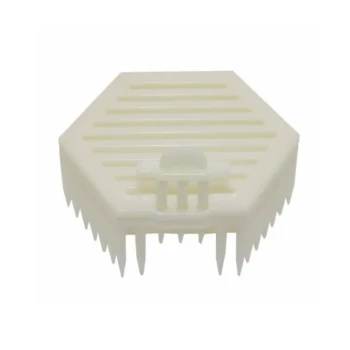
- Hexagonal Direct Comb Introduction Queen Bee Cage
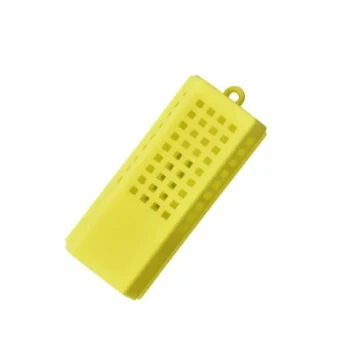
- Professional Multi-Compartment Queen Cage with Sliding Lid
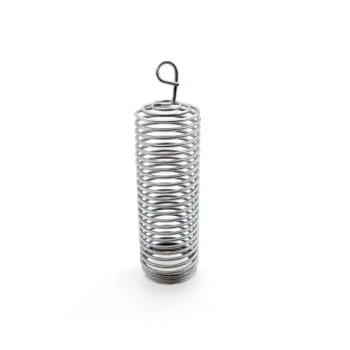
- Durable Galvanized Steel Spring Queen Bee Cage
- Plastic Long Marker Device for Catching and Marking Bees Queen Bee Marking Tube and Cage
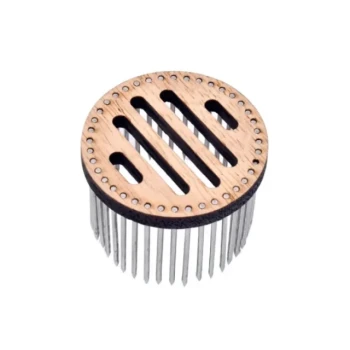
- Premium Wood and Steel Push In Queen Cage
People Also Ask
- What is the technical purpose of using an introduction cage? Ensure Safe Queen Bee Integration and Colony Acceptance
- How does the introduction cage method differ from standard cage insertion for queen bees? Best Acceptance Strategies
- What is the mechanism of action for using temporary queen bee cages? Master Successful Queen Introduction
- Why are specialized queen bee cages used for the banking of mated queen bees? Maximize Commercial Apiary Storage Efficiency
- What is the importance of specialized queen introduction cages and tools? Secure High-Value Genetics & Scalability.