Liquid nitrogen serves as a precise cryogenic tool used to rapidly kill capped honeybee larvae within a specific, controlled area of the brood frame. By freezing the larvae instantly, this method simulates natural death without physically damaging the larval body or releasing bodily fluids. This creates a standardized "dead zone" that challenges the colony to detect and remove the compromised brood, providing a measurable benchmark for their hygienic behavior.
The critical advantage of liquid nitrogen is its ability to kill larvae without causing hemolymph (insect blood) leakage. This ensures that worker bees are removing the brood because they detect natural signals of death or disease, rather than being artificially stimulated by the scent of spilled fluids.
The Science of the Frozen-Killed Brood (FKB) Assay
Rapid Cryogenic Preservation
The primary function of liquid nitrogen in this test is to act as a cryogenic medium. It lowers the temperature of the selected brood area so quickly that the larvae die instantly.
Because the freezing is immediate, the physical structure of the larvae remains intact under the wax capping. This sets the stage for a test that relies on the bees' sensory abilities rather than visual cues.
Simulating Natural Pathology
In a real-world scenario, larvae often die from diseases (like American Foulbrood or Chalkbrood) without physical trauma. The liquid nitrogen method mimics this natural internal death.
It forces the worker bees to rely on their olfactory sense (smell) to detect the dead pupae through the wax capping, which is the definition of true hygienic behavior.
Creating a Uniform Stimulus
For the test to be valid, the challenge presented to the bees must be consistent. Liquid nitrogen allows researchers and breeders to kill a specific, circular area of brood standardly.
This uniform stimulus allows for the quantification of the colony's speed. By measuring how fast the bees clear this specific frozen area, breeders can objectively grade the colony's social immunity.
Why Non-Invasive Killing Matters
Avoiding False Positives
Mechanical methods, such as pricking larvae with a pin, are often used as alternatives. However, these methods puncture the larval skin, causing hemolymph leakage.
When hemolymph leaks, it releases strong alarm signals and scents that are easy for bees to detect. This can trigger a cleaning response even in colonies that do not possess superior hygienic genetics, leading to inaccurate data.
Accurate Assessment of Social Immunity
The goal of the test is to measure social immunity—the collective ability of the colony to prevent disease spread.
By using liquid nitrogen to prevent fluid leakage, you ensure the test measures the colony's genetic sensitivity to diseased brood, not just their reaction to physical damage.
Operational Considerations and Trade-offs
Equipment Complexity
While scientifically superior, the liquid nitrogen method requires specialized handling. Unlike mechanical tools, it necessitates cryogenic storage tanks and safety protocols to handle the freezing agent.
Standardization vs. Convenience
The process requires strict adherence to timing and application methods to ensure the larvae are killed effectively without damaging the surrounding comb structure. This makes it less convenient for rapid field assessments compared to pin-killing, but significantly more accurate for breeding selection.
Making the Right Choice for Your Goal
When deciding on a testing protocol for hygienic behavior, the method of killing determines the reliability of your results.
- If your primary focus is genetic selection: Use liquid nitrogen to ensure you are selecting for true olfactory sensitivity and disease resistance, not just wound response.
- If your primary focus is data accuracy: Rely on liquid nitrogen to eliminate the confounding variable of leaking hemolymph, which can skew performance metrics.
- If your primary focus is quantification: Use the liquid nitrogen FKB assay to create a uniform, measurable target that allows for direct comparison between different colonies.
Using liquid nitrogen transforms a simple cleaning test into a rigorous assay for identifying high-potential, disease-resistant honeybee populations.
Summary Table:
| Feature | Liquid Nitrogen (FKB) Assay | Mechanical Pin-Killing |
|---|---|---|
| Mechanism | Rapid cryogenic freezing | Physical puncture of larvae |
| Larval State | Intact, no fluid leakage | Damaged, hemolymph leakage |
| Sensory Trigger | Olfactory (Natural death signals) | Alarm response (Wound signals) |
| Accuracy | High - Measures social immunity | Lower - May cause false positives |
| Equipment | Cryogenic tanks & safety gear | Simple pins or needles |
Elevate Your Commercial Apiary with HONESTBEE
At HONESTBEE, we specialize in supporting commercial apiaries and distributors with a comprehensive range of high-performance beekeeping tools and machinery. Whether you need specialized hardware like hive-making and honey-filling machines or essential industry consumables, our wholesale offerings are designed to enhance your operational efficiency and productivity.
Our Value to You:
- Comprehensive Portfolio: From heavy machinery to honey-themed cultural merchandise.
- Wholesale Efficiency: Tailored solutions for large-scale operations and distributors.
- Industry Expertise: Quality equipment that meets the rigorous demands of professional beekeeping.
Ready to scale your business with professional-grade hardware? Contact us today to explore our wholesale catalog!
References
- Elena Facchini, E.W. Brascamp. Hygienic behaviour in honeybees: a comparison of two recording methods and estimation of genetic parameters. DOI: 10.1007/s13592-018-0627-6
This article is also based on technical information from HonestBee Knowledge Base .
Related Products
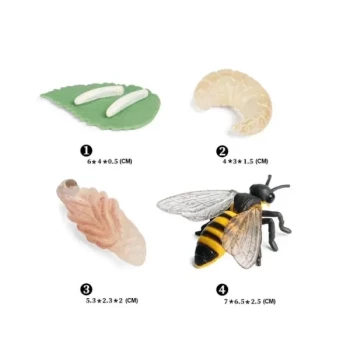
- Honey Bee Life Cycle Model 4 Stage Educational Set for Kids Learning
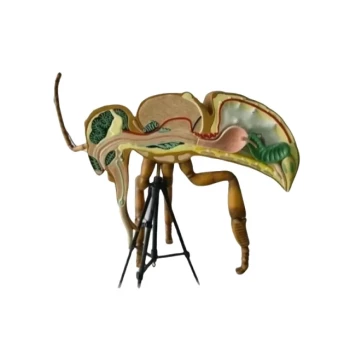
- HONESTBEE Anatomy Bee Model Detailed Anatomical Display for Education and Study
- Galvanized Beekeeping Smoker for Honey Bee and Apiculture
People Also Ask
- How do honey bees utilize water to regulate the internal temperature of the hive? Master Evaporative Cooling Methods
- What criteria should be considered in the selection process for honey bee breeding? Top Traits for Sustainable Apiaries
- Is it good to have honey bees in your yard? A Guide to Boosting Your Garden's Health
- What should be considered when learning the behavior of honey bees and their queens? Master Colony Management
- What activities require a lot of energy for honey bees? Understanding the Colony's Energy Budget