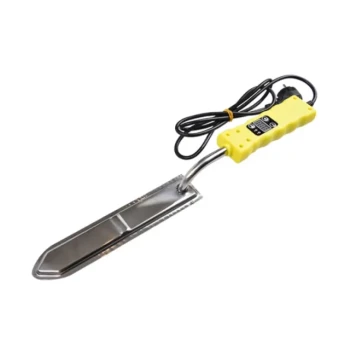
Low-temperature processing equipment serves as a decisive physical control mechanism for eradicating Braula coeca infestations from apiary resources. By subjecting infested beeswax and honeycombs to sustained freezing temperatures for a minimum of 48 hours, this equipment effectively penetrates the wax medium to terminate the parasite at every stage of its biological development.
The core function of this technology is to provide a non-destructive, chemical-free sterilization method. It eliminates eggs and larvae hidden deep within wax tunnels, ensuring that stored honeycombs do not become vectors for future outbreaks.
The Mechanics of Physical Eradication
Penetrating the Wax Barrier
Braula coeca presents a unique challenge because its larvae tunnel beneath the surface of the honeycombs. Surface-level treatments often fail to reach these protected pests.
Low-temperature processing equipment overcomes this by lowering the thermal energy of the entire comb structure. This ensures the lethal cold reaches the eggs and larvae buried deep within the wax tunnels, not just the adults on the surface.
The 48-Hour Mortality Threshold
The efficacy of this equipment relies on duration as much as temperature. The primary reference establishes that a freeze duration of at least 48 hours is required.
This sustained exposure is critical to ensure 100% mortality across all life stages. Shorter cycles may allow dormant pests to survive and re-infest the hive upon reuse.
Strategic Benefits for Hive Management
Preventing Recurrence During Storage
One of the greatest risks in beekeeping is reintroducing pests through stored equipment.
By processing honeycombs before they go into storage, apiarists create a "clean break" in the parasite's lifecycle. This prevents the equipment from acting as a reservoir for Braula coeca during the off-season.
Preserving Structural Integrity
Alternative sterilization methods, such as heat or harsh chemicals, can degrade beeswax or contaminate the hive environment.
Low-temperature processing creates no physical stress on the comb structure. The beeswax remains structurally sound, allowing bees to immediately reuse the drawn comb, which saves the colony significant energy.
Protecting Market Value
Infestations can ruin the aesthetic and commercial value of beeswax products, particularly comb honey.
Using freezing equipment maintains the pristine appearance of the wax. This preserves the market value of the harvest by preventing the visual damage caused by larval tunneling.
Understanding the Trade-offs
Time vs. Throughput
While effective, this method creates a processing bottleneck. Because the equipment requires a 48-hour holding period, it significantly limits the volume of equipment that can be treated in a short timeframe.
Energy Reliance
Unlike chemical strips, this physical control method requires a constant power source. This dependency makes the preservation of the comb contingent on reliable electricity and properly maintained refrigeration hardware.
Making the Right Choice for Your Goal
To maximize the utility of low-temperature processing in your operation, consider the following specific objectives:
- If your primary focus is total eradication: Ensure strict adherence to the minimum 48-hour freeze cycle to guarantee mortality of hidden larvae.
- If your primary focus is resource efficiency: Prioritize this method over chemical treatments to preserve the lifespan and reusability of your drawn comb.
- If your primary focus is product quality: Use this equipment immediately post-harvest to halt damage to the wax capping, preserving the visual grade of the product.
Integrating cold storage protocols transforms pest control from a chemical reaction into a sustainable inventory management strategy.
Summary Table:
| Feature | Specification/Benefit |
|---|---|
| Primary Function | Non-destructive eradication of Braula coeca (Bee Louse) |
| Treatment Duration | Minimum 48 hours sustained freezing |
| Target Life Stages | Adults, larvae, and eggs (including those in wax tunnels) |
| Structural Impact | Zero (Preserves beeswax integrity and reusability) |
| Safety Profile | Chemical-free and food-safe for honeycombs |
| Key Advantage | Prevents storage re-infestation and maintains market value |
Scale Your Apiary Success with HONESTBEE
Protecting your commercial honey production requires professional-grade solutions. HONESTBEE empowers commercial apiaries and distributors with high-performance beekeeping machinery and essential consumables designed for scale and efficiency.
Whether you need advanced honey-filling machines, specialized hive-making equipment, or a reliable supply of wholesale beekeeping tools, we provide the industrial-strength hardware necessary to maintain a pest-free, high-yield operation.
Ready to upgrade your infrastructure and maximize your harvest value?
Contact HONESTBEE Today for Wholesale Solutions
References
- Mirjana Bojanić Rašović. SIGNIFICANCE OF THE PROTECTION OF HONEY BEES FROM BRAULOSIS (WITH A SPECIAL FOCUS ON MONTENEGRO). DOI: 10.17707/agricultforest.65.2.09
This article is also based on technical information from HonestBee Knowledge Base .
Related Products
- 0.5T Capacity Honey Dehumidifier Dryer with Vacuum Heating and Thickening Filtering Machine
- Heavy Duty Stainless Steel Honey Processing Machine Decrystallizing Tank
- Steam Beeswax Melter Wax Warmer for Wax Processing
- Electric Beeswax Flat Sheet Machine with Operating Tray for Wax Processing
- Manual Beeswax Flat Sheet Machine for Beeswax Processing
People Also Ask
- What is the primary function of professional dehumidification equipment in honey processing? Stability & Quality
- How to dry up honey? The Safe Guide to Stabilizing Honey and Preventing Fermentation
- What is the process for using a dehumidifier to lower honey's moisture content? Expert Drying Techniques
- How to decrease moisture in honey? Prevent Fermentation and Ensure Long-Term Quality
- How to remove humidity from honey? Protect Your Harvest from Fermentation