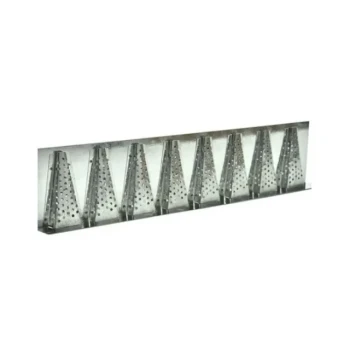
The primary function of a mouse guard is to serve as a physical barrier at the beehive entrance, specifically designed to exclude rodents during the winter months. Because hives are situated near the ground and generate heat, they are attractive targets for nesting mice; the guard prevents these intruders from entering while maintaining a specific clearance that allows bees to exit and enter freely.
Core Takeaway: A beehive offers warmth and food, making it an ideal winter shelter for rodents. A mouse guard acts as a critical mechanical filter, securing the colony’s resources and hygiene without compromising the bees' ability to perform necessary flights.
The Dynamics of Winter Intrusion
To understand the necessity of a mouse guard, one must first understand the vulnerability of the hive during winter.
The Attraction Factor
During colder months, a beehive becomes a beacon for small animals. The colony generates significant warmth to survive the freeze, and the hive itself is typically located on or near the ground.
Additionally, the hive contains substantial food stores, specifically honey and pollen. This combination of heat, shelter, and calories makes the apiary a prime target for survival-seeking rodents.
The Consequences of Infiltration
If a mouse successfully enters the hive, the damage is often extensive. The intruder will typically nest inside to exploit the warmth.
This leads to physical destruction, as rodents gnaw through wooden equipment and destroy the delicate beeswax combs.
Furthermore, the presence of a mouse introduces severe unsanitary conditions. The accumulation of urine, feces, and nesting debris can contaminate the hive, threatening the health of the bee colony.
The Mechanics of Protection
The mouse guard is designed to solve this problem through simple, durable engineering.
Selective Exclusion
The core mechanism of the guard is size-specific filtration. The device features specialized holes or slots that are calibrated precisely.
These openings are large enough to permit bees to pass through for cleansing flights or debris removal. However, they are small enough to physically block the larger bodies of mice and other rodents.
Material Durability
Rodents are capable of chewing through weak materials. Therefore, effective mouse guards are manufactured from robust metals, such as sheet metal or stainless steel.
Using metal ensures the guard acts as a permanent barrier that cannot be bypassed by gnawing, protecting the honey reserves and comb structure throughout the season.
Understanding the Trade-offs
While mouse guards are essential, their implementation requires attention to detail to ensure they function correctly.
Restriction vs. Access
The design must strike a perfect balance. The guard effectively restricts large intruders, but it inherently limits the "traffic flow" at the entrance.
Material Integrity
Reliance on the wrong material can lead to failure. The references highlight stainless steel and sheet metal for a reason; softer materials may provide a false sense of security, allowing determined pests to chew their way in.
Making the Right Choice for Your Goal
When implementing mouse guards, consider your specific management objectives:
- If your primary focus is Asset Protection: Prioritize stainless steel guards to prevent gnawing damage to your frames and beeswax combs.
- If your primary focus is Colony Hygiene: Install guards early to prevent rodents from establishing nests that introduce urine and debris into the hive environment.
By securing the entrance with a metal guard, you effectively neutralize a significant winter threat to your apiary's survival.
Summary Table:
| Feature | Function & Benefit |
|---|---|
| Physical Barrier | Prevents mice from entering to nest while allowing bees to pass |
| Material (Metal) | Resists gnawing from rodents, ensuring long-term durability |
| Asset Preservation | Protects beeswax combs and wooden frames from physical destruction |
| Hygiene Control | Prevents contamination from rodent urine, feces, and nesting debris |
| Thermal Security | Safeguards the hive's warmth without blocking essential ventilation |
Maximize Your Apiary's Winter Survival with HONESTBEE
Protecting your honey reserves and hive integrity requires more than just basic tools—it requires professional-grade equipment. HONESTBEE specializes in catering to commercial apiaries and distributors with a comprehensive wholesale selection of beekeeping hardware. From durable stainless steel mouse guards to advanced hive-making and honey-filling machinery, we provide the full spectrum of equipment and consumables needed to scale your operations.
Ready to upgrade your apiary’s efficiency? Our experts are here to support your growth with high-quality, bulk-ready solutions. Contact HONESTBEE today to explore our wholesale portfolio and secure your specialized beekeeping tools.
Related Products
- 8-Cone Galvanized Steel Bee Robber Guard
- Beehive Entrance Reducer Guardian Metal Hive Entrance for Bees
- JZBZ Style Push-In Cell Protector for Professional Queen Rearing Kits
People Also Ask
- What protective functions do beehive entrance guards provide? Defend Your Hive Against Wasps and Moths
- What is the primary function of protective guards at hive entrances? Block Rodents & Boost Winter Survival Rates
- How do conical metal guards or rubber inner tubes function as pest control tools? Stop Ants with Mechanical Barriers
- What is the function of Hive Entrance Guards? Master Bee Colony Defense Against Small Hive Beetles
- How can hardware mesh be applied to a beehive entrance for winter protection? Secure Your Colony Against Pests