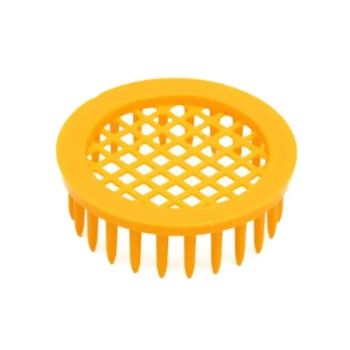
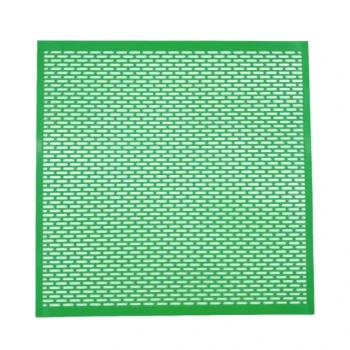
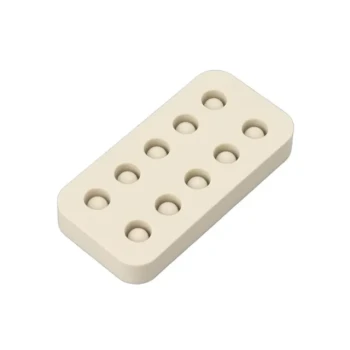
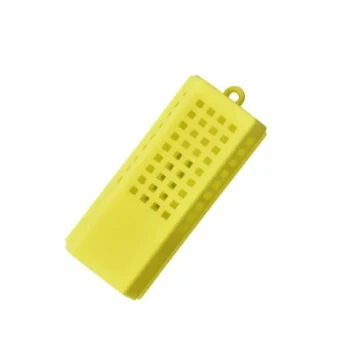
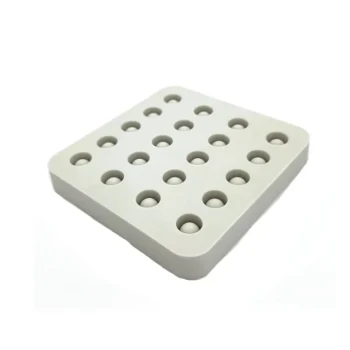
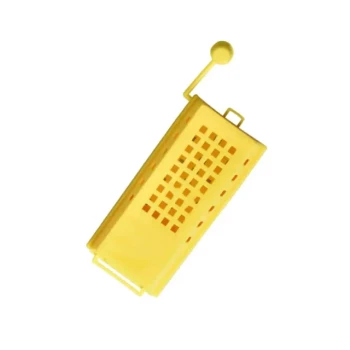
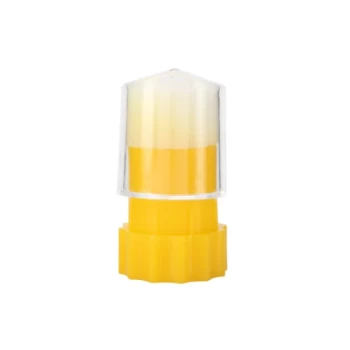
Plastic Queen Cells are precision instruments designed to standardize the artificial queen-rearing process by simulating the natural environment of a queen cell. They serve as essential consumables that induce the queen bee to lay eggs in specific, predetermined locations, allowing beekeepers to isolate and control the source of the eggs. By restricting the queen to these designated areas, the system ensures consistent starting conditions, which is critical for producing high-quality queens and analyzing biological variables like egg size.
Core Takeaway While natural comb introduces variability, Plastic Queen Cells provide a controlled, consistent interface for the rearing cycle. They transform queen breeding from an unpredictable biological event into a manageable production process by ensuring precise egg location, simplifying larval grafting, and maximizing durability during batch operations.
The Mechanics of Control and Consistency
Precision in Egg Sourcing
The primary function of Plastic Queen Cells is to remove randomness from the breeding process. By equipping a designated area with these cells, beekeepers can restrict the queen to a specific zone.
This induces the queen to lay eggs exactly where the beekeeper intends. This level of control is vital for maintaining the provenance of the eggs and ensuring that every potential queen starts from a known, controlled source.
Standardization of Growth
In scientific breeding and high-quality production, consistency is paramount. Plastic Queen Cells provide a biomimetic environment with standardized dimensions.
This uniformity eliminates the irregularities found in natural wax combs. It allows breeders to rigorously analyze the relationship between the initial egg size and the final quality of the queen bee without physical environmental variables skewing the data.
Biological Triggers
Despite being artificial, these cells are engineered to mimic nature closely. They replicate the shape, size, and vertical opening direction of natural queen cells.
This design provides a vital physical trigger for the colony. It signals worker bees to accept the cell and commence the feeding and maintenance routines necessary for queen development, bypassing the natural selection process that typically occurs on the horizontal hive plane.
Enhancing Operational Efficiency
Optimized for Grafting
For operations that involve manual intervention, Plastic Queen Cells are designed with smooth internal walls. This surface facilitates the delicate process of manual grafting.
Larvae can be transferred into these standardized cups with less risk of damage compared to irregular natural cells. This structure supports higher survival rates when used in conjunction with royal jelly.
Durability and Batch Processing
Plastic cells offer significant physical advantages over beeswax. Their durability allows for easy mounting onto grafting frames and cup holders.
This robustness enables beekeepers to manage dozens of queen cells in a large-scale, modular manner. They stabilize the physical environment for the larvae during handling, making the mass production of queens more efficient.
Understanding the Trade-offs
Material Inertness vs. Biological Interaction
While plastic excels at physical standardization, it is a biologically inert material. It does not interact with the colony's chemistry in the same way natural wax does.
For experiments specifically observing how the cup material influences the chemical properties or pH levels of royal jelly, beeswax cups may be the superior choice. Beekeepers must weigh the benefits of durability against the need for a completely organic substrate.
Acceptance Considerations
Plastic mimics nature, but it is not nature. While the shape triggers acceptance, the material itself is foreign.
Beekeepers often coat plastic cells in wax or prime them with royal jelly to ensure worker bees do not reject the artificial material. Without this step, the acceptance rate by nurse bees can sometimes trail behind that of pure beeswax cups.
Making the Right Choice for Your Goal
Selecting the correct cell type is a balance between operational efficiency and biological mimicry.
- If your primary focus is controlled breeding analysis: Use Plastic Queen Cells to strictly control egg location and isolate variables such as egg size from environmental irregularities.
- If your primary focus is commercial scalability: Leverage the durability of plastic cells to streamline batch grafting and ensure safe handling on production frames.
Ultimately, Plastic Queen Cells act as the foundational hardware that converts the biological complexity of queen rearing into a repeatable, high-precision science.
Summary Table:
| Feature | Function & Benefit |
|---|---|
| Precision Sourcing | Restricts queen to specific zones for controlled egg location. |
| Biomimetic Design | Replicates natural cell shape to trigger acceptance by worker bees. |
| Standardization | Eliminates natural comb variability for consistent queen quality. |
| Operational Durability | Robust material allows for easy grafting and large-scale batch handling. |
| Smooth Internal Walls | Facilitates safe larval grafting and higher survival rates. |
Elevate Your Queen Rearing Operations with HONESTBEE
Are you looking to scale your commercial apiary or expand your distribution of professional beekeeping supplies? HONESTBEE provides the industry-leading hardware and consumables you need to succeed.
From precision-engineered plastic queen cells and grafting frames to advanced honey-filling machines and specialized hive-making equipment, we offer a comprehensive wholesale portfolio tailored for large-scale operations. Our products empower you to transform complex biological processes into a repeatable, high-yield science.
Ready to optimize your production and source high-quality equipment?
Contact HONESTBEE Today to discuss our wholesale offerings and discover how our expertise can drive your business growth.
References
- Longtao Yu, Xiaobo Wu. Honey bee maternal effects improve worker performance and reproductive ability in offspring. DOI: 10.3389/fcell.2023.1156923
This article is also based on technical information from HonestBee Knowledge Base .
Related Products
- JZBZ Type Wide Base Plastic Queen Cell Cups for Base Mounting and Queen Rearing
- Clear Black Plain Polystyrene Queen Bee Grafting Cell Cups No Lug for Bee Queen Cup
- Durable Plastic Push In Queen Bee Cage
- Professional Plastic Queen Excluder for Modern Beekeeping
- High Performance Plastic Queen Excluder for Beekeeping and Apiary Management
People Also Ask
- What are the primary advantages of using plastic queen cell cups? The Industrial Choice for High-Efficiency Apiaries
- What technical advantages do commercial plastic queen cell cups offer? Scale Your Queen Rearing for Maximum Efficiency
- What is the function of standardized plastic Queen Cell Cups? Boost Efficiency in Commercial Larval Grafting
- Why are standardized plastic queen cell cups preferred? Boost Commercial Queen Rearing Efficiency
- Why are standardized plastic queen cell cups typically used in large-scale queen bee production? Boosting Apiary Output