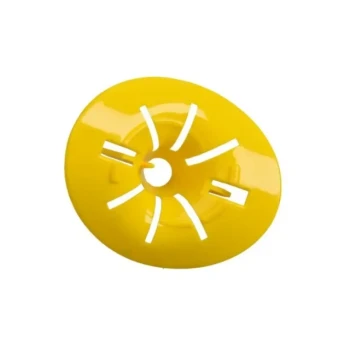
Pollen traps are specialized mechanical interception devices designed to be installed directly at the entrance of a beehive. Their primary function is to physically strip pollen pellets from the hind legs of returning forager bees using a restrictive grid system, allowing for the passive collection of fresh biological samples in a bottom drawer.
Core Takeaway Pollen traps bridge the gap between field activity and laboratory analysis. By mechanically separating pollen from bees without harming them, these devices provide the essential raw material needed to quantify local plant diversity, assess dietary nutrition, and detect environmental pesticide exposure.
The Mechanics of Interception
The Physical Barrier Principle
The core mechanism of a pollen trap is a precision-designed grid, mesh, or plate with specific apertures (often star-shaped). This hardware is installed at the hive entrance, forcing all returning bees to navigate through it.
Separation and Collection
As forager bees squeeze through these specific openings, the physical friction of the grid walls mechanically scrapes the pollen pellets attached to their hind legs. These dislodged pellets fall directly into a collection tray or drawer beneath the flight path, isolating the sample from the bees.
Key Applications of Collected Samples
Botanical Origin Analysis
Once collected, these samples undergo palynological analysis. Researchers examine the pollen grains to identify the specific plant sources, allowing them to map the colony's foraging radius and understand the dietary structure of the bees in a specific environment.
Chemical Safety Monitoring
The raw samples serve as a critical indicator of environmental health. Chemical analysis of the trapped pollen allows researchers to detect and quantify pesticide residues. This data helps measure the colony's exposure risks to agricultural chemicals present in the surrounding flora.
Nutritional Control Studies
Beyond simple monitoring, traps can be used to manipulate colony input. In nutritional studies, traps are used to limit the influx of natural pollen. This allows scientists to accurately measure how artificial protein supplements affect colony strength and brood development without the variable interference of wild food sources.
Understanding the Trade-offs
Collection Efficiency Limits
Pollen traps are not absolute barriers. Depending on the size of the grid openings and the pollen pellets, these devices typically intercept between 30% and 70% of the incoming pollen. They provide a representative sample, not a total inventory.
Balancing Data vs. Colony Health
While the process is designed to be non-lethal, it does deprive the colony of a portion of its protein source. Extended use without monitoring can stress the colony by reducing the food available for brood rearing.
Making the Right Choice for Your Goal
When integrating pollen traps into your workflow, consider your specific objective:
- If your primary focus is Environmental Monitoring: Use the trap to gather representative samples for identifying plant diversity and measuring pesticide load in the local ecosystem.
- If your primary focus is Nutritional Research: Use the trap as a flow-control device to restrict natural intake, allowing you to isolate and test the efficacy of artificial supplements.
By effectively utilizing pollen traps, you convert a biological byproduct into a quantifiable data point for ecological and agricultural analysis.
Summary Table:
| Feature | Function & Impact |
|---|---|
| Mechanism | Precision grids scrape pollen pellets from hind legs as bees enter the hive. |
| Data Utility | Enables botanical origin analysis and detection of pesticide residues. |
| Efficiency | Typically intercepts 30% to 70% of incoming pollen samples. |
| Applications | Used in environmental monitoring, nutritional studies, and dietary research. |
| Colony Impact | Provides representative samples while allowing enough protein for brood rearing. |
Scaling Your Beekeeping Operations with HONESTBEE
At HONESTBEE, we understand the complex needs of commercial apiaries and global distributors. Whether you are conducting scientific research or scaling commercial pollen production, our comprehensive wholesale offering provides the tools you need to succeed.
From specialized pollen traps and hive-making machinery to advanced honey-filling systems and industry-essential consumables, we supply the full spectrum of beekeeping hardware. Our mission is to enhance your operational efficiency through high-quality equipment and honey-themed cultural merchandise that adds value to your brand.
Ready to optimize your apiary’s performance? Contact us today to discuss your wholesale needs
References
- Mohamed Alburaki, Scott Stewart. Agricultural Landscape and Pesticide Effects on Honey Bee (Hymenoptera: Apidae) Biological Traits. DOI: 10.1093/jee/tox111
This article is also based on technical information from HonestBee Knowledge Base .
Related Products
- Removable Plastic Pollen Trap With Ventilated Tray for Bees Pollen Collector
- 30 cm Plastic Entrance Hole Bee Pollen Trap and Collector
- Plastic Bee Pollen Trap Strips Comb Catcher Collector
- 8 Frame and 10 Frame Propolis Trap Collector Screen for Propolis Collection
- Professional Bucket Style Wasp and Moth Pheromone Trap
People Also Ask
- What are the design principles and advantages of pollen traps in the collection of bee pollen? Boost Your Apiary Yield
- What is the function of professional pollen traps in evaluating honey plants? Quantifying Pollination and Crop Potential
- What functions do pollen traps serve for bee bread production? Optimize Your Raw Material Collection
- What maintenance and pest prevention measures should be taken for pollen traps? Protect Your Hive and Harvest Quality
- How does the use of pollen traps in honeybee hives enhance crop fertilization? Boost Your Yield Through Induced Activity