Professional display equipment and cultural merchandise serve a dual function: they act as immediate sales terminals and enduring brand ambassadors. In direct-to-consumer environments like farmers' markets, these tools elevate the product from a simple agricultural commodity to a premium brand experience, effectively bridging the gap between the producer and the consumer.
Core Takeaway For regional producers with limited advertising budgets, professional displays and culturally themed merchandise are not just decoration; they are strategic assets. They compensate for a lack of mass-media reach by creating an immersive point-of-sale experience that attracts high-loyalty local customers and justifies a higher brand premium.
The Strategic Role of Visual Presentation
Acting as Silent Brand Ambassadors
In a crowded market, you cannot rely solely on verbal sales pitches. Professional display equipment functions as a silent sales force, communicating quality and professionalism before a conversation even begins.
This equipment transforms a standard stall into a cohesive brand environment. It signals to the consumer that the operation is established and trustworthy, rather than a casual or temporary venture.
Enhancing Visual Appeal and Attraction
The primary function of specialized display gear is to maximize visual impact. By utilizing lighting, height, and professional layout techniques, these tools draw the customer's eye away from competitors.
This visual disruption is critical in high-traffic environments. It converts passive foot traffic into active engagement, allowing the product's quality to be seen and appreciated immediately.
Facilitating Cultural Connection
Cultural merchandise—such as themed souvenirs or artistic reliefs—anchors the honey in a specific region or tradition. It moves the transaction beyond buying food to acquiring a piece of local culture.
This creates an emotional hook. Consumers at farmers' markets often seek connection; merchandise that tells a story satisfies this deep need and fosters stronger loyalty to the producer.
Economic Functions and Business Growth
Compensating for Low Advertising Budgets
Most small-scale beekeepers cannot afford large marketing campaigns. Point-of-sale displays act as a cost-effective substitute for advertising.
By investing in the physical presentation at the market, producers generate organic interest and word-of-mouth marketing. This effectively levels the playing field against larger competitors with bigger budgets.
Increasing Brand Premium and Value
Standard honey is often viewed as a commodity with a fixed market price. Culturally themed packaging and gift customization break this pricing ceiling.
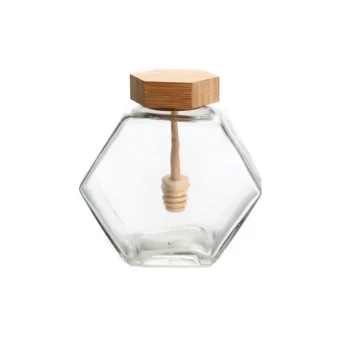
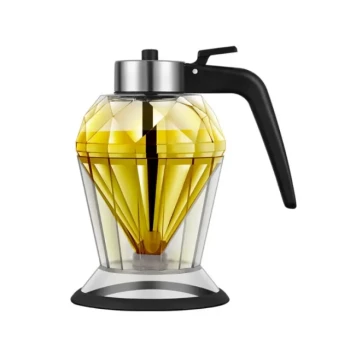
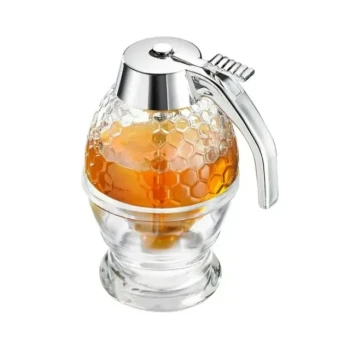
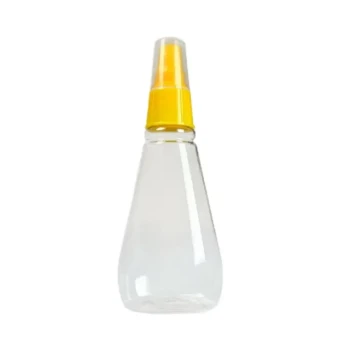
When honey is presented in varied formats—such as gift boxes, irregularly shaped bottles, or portable packs—it gains "gift attributes." This allows producers to charge a premium for the experience and packaging, significantly increasing the profit margin beyond the raw cost of the honey.
Diversifying Revenue Streams
Incorporating cultural merchandise transforms a beekeeping operation from a primary production sector into an integrated service and tourism-oriented business.
Selling non-consumable items (like branded souvenirs) or value-added goods provides additional revenue channels. This stabilizes income for the apiary, reducing reliance solely on the volume of honey harvested, which can fluctuate with weather and seasons.
Understanding the Trade-offs
The Cost of Customization
While professional equipment and custom packaging (e.g., laser-engraved items) add value, they also introduce capital costs and operational complexity.
Producers must balance the upfront investment in display tools and packaging machinery against the expected increase in sales volume. Over-investing in equipment for a low-traffic market can hurt profitability.
The Risk of Brand Dilution
There is a fine line between a diversified product line and a cluttered one. The merchandise must never overshadow the core product.
If the display becomes too focused on souvenirs or complex packaging, it may distract from the quality of the honey itself. The "cultural added value" must support the honey, not replace it.
Making the Right Choice for Your Goal
To effectively utilize display equipment and merchandise, align your strategy with your specific business objective:
- If your primary focus is Brand Loyalty: Prioritize cultural storytelling in your display to create an emotional connection that turns one-time buyers into repeat local customers.
- If your primary focus is Profit Margin: Invest in versatile packaging equipment to transform bulk honey into high-value gift items and souvenirs that command a higher price point.
- If your primary focus is Customer Acquisition: Focus on high-impact professional display hardware (lighting and layout) to stand out visually in a crowded market and compensate for a lack of advertising.
Ultimately, professional displays do not just hold your product; they hold the consumer's attention long enough to build a relationship.
Summary Table:
| Strategic Element | Primary Function | Business Impact |
|---|---|---|
| Professional Display | Visual Attraction & Authority | Increases foot traffic and builds consumer trust |
| Cultural Merchandise | Emotional Connection | Justifies brand premium and fosters long-term loyalty |
| Diverse Packaging | Gift Attribute Addition | Elevates product value and increases profit margins |
| Integrated Hardware | Operational Efficiency | Supports cost-effective marketing for small producers |
Elevate Your Honey Brand with HONESTBEE
Transform your apiary from a raw producer into a premium market leader. HONESTBEE specializes in empowering commercial apiaries and distributors with high-performance tools and machinery. Whether you need honey-filling machines for versatile gift packaging, hive-making hardware, or unique honey-themed cultural merchandise, we provide the comprehensive wholesale solutions you need to stand out.
Ready to boost your market presence and increase your profit margins?
Contact HONESTBEE Today to Explore Our Wholesale Catalog
References
- Waldomiro Mourão de Oliveira Neto, Jaílson Santos de Novaıs. "Honey is Good for Health": Patterns of honey purchasing and consumption in Lower Amazon. DOI: 10.51359/2526-7884.2020.247470
This article is also based on technical information from HonestBee Knowledge Base .
Related Products
- Double Nozzle Small Honey Filling Machine Honey Sachet Packing Packaging Equipment
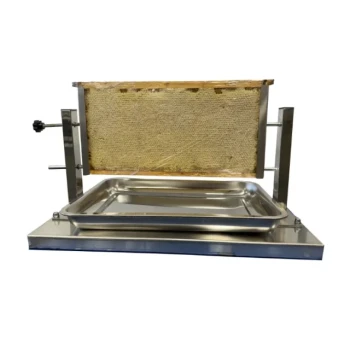
- Professional Adjustable Stainless Steel Honeycomb Display Stand
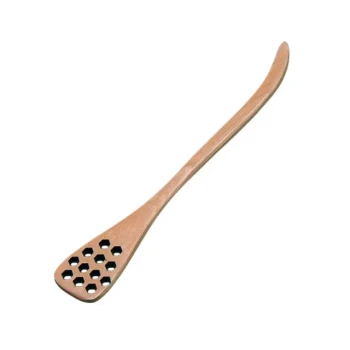
- Modern Honeycomb Pattern Wooden Honey Dipper for Stirring and Drizzling
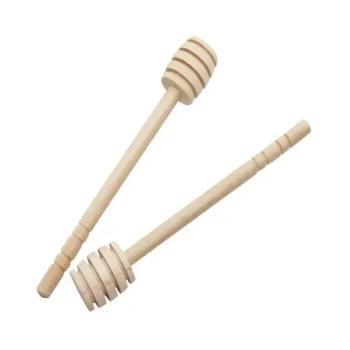
- Natural Wood Honey Dipper for Tea Coffee and Desserts
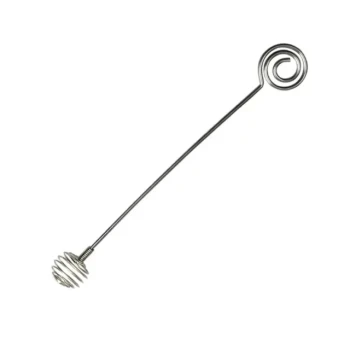
- Modern Stainless Steel Honey Dipper Stirrer
People Also Ask
- How does industrial honey-filling machinery support Robinia pseudoacacia stands? Maximize Your Acacia Honey Yield
- What value do retail packaging equipment and filling technologies provide in the honey distribution process? Maximize ROI
- Why is precision temperature control necessary for red honey filling? Preserve Amorpha fruticosa Color and Aroma
- How does specialized honey filling equipment contribute to honey distribution? Scale Your Wholesale Efficiency Today
- What role does precision filling equipment play in cost control? Maximize Honey Profits & Market Growth