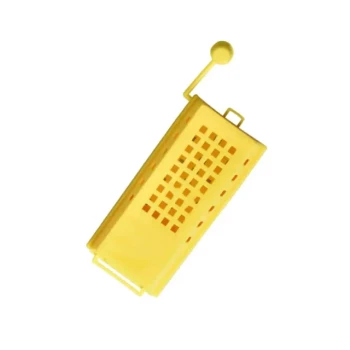
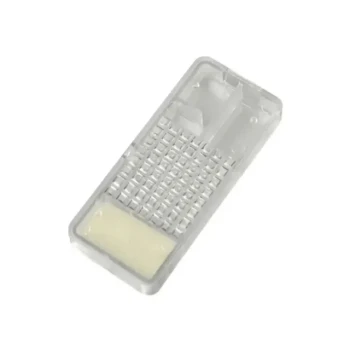
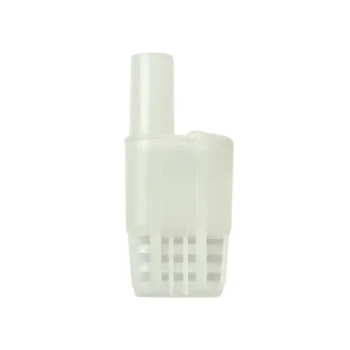
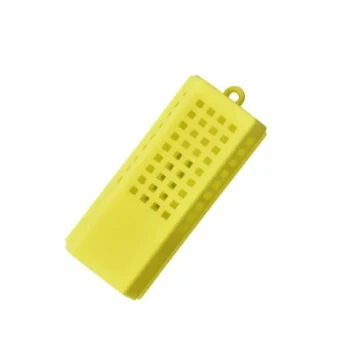
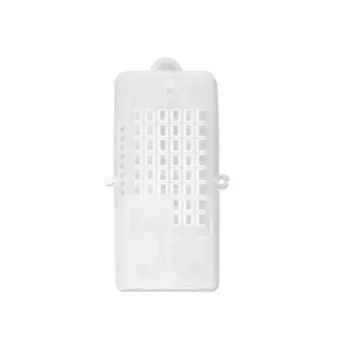
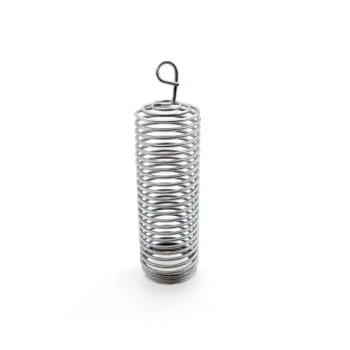
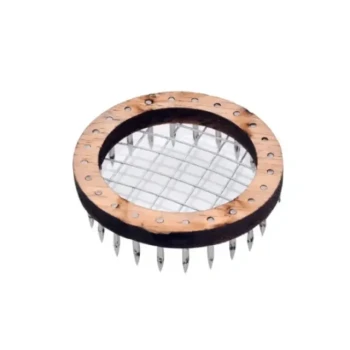
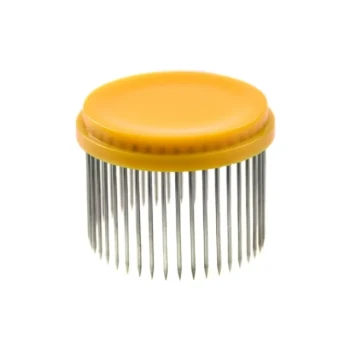
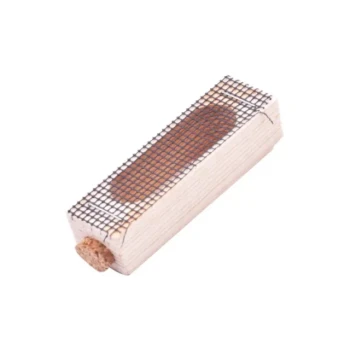
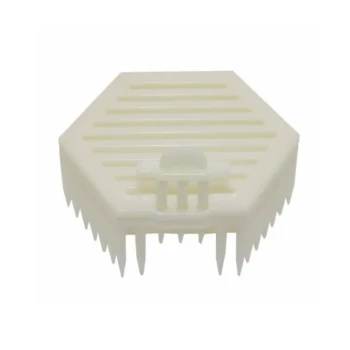
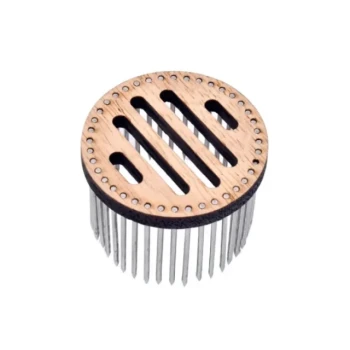
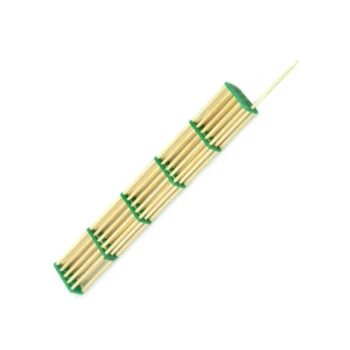
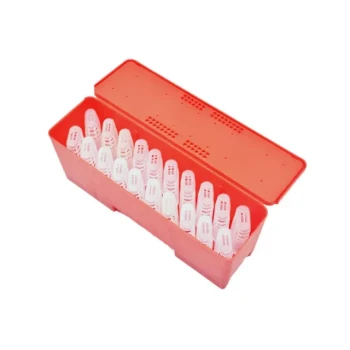
Queen Caging Equipment functions as a biological interrupter. By confining the queen bee for a period of up to 25 days, this tool prevents her from laying eggs, thereby creating an artificial break in the colony's brood cycle. This physical intervention deprives Varroa mites of the capped brood cells necessary for their reproduction, forcing the population into a vulnerable state where they can be effectively managed.
By eliminating the specific habitat Varroa mites require for breeding, queen caging synchronizes the entire mite population into an exposed state, significantly amplifying the success rate of subsequent treatments.
The Mechanics of Brood Interruption
Halting the Reproductive Cycle
The primary function of the cage is to physically restrict the queen's movement while keeping her safely within the hive. By preventing egg-laying, the equipment ensures that no new larvae are produced.
Clearing the Hive of Capped Cells
Over a period of approximately 25 days, existing brood in the colony will hatch and emerge. Because the queen has been restricted, no new cells are capped to replace them. This process systematically drains the hive of capped brood, which is the exclusive reproductive ground for Varroa mites.
Forcing the Phoretic Stage
Eliminating the Safe Harbor
Varroa mites rely on capped cells to hide and reproduce. When the queen cage creates a "brood-less" period, the mites lose their physical shelter. They are no longer able to enter cells to multiply.
The Shift to Adult Bees
Without brood to inhabit, the mites are biologically forced into the phoretic stage. This means the entire mite population must attach themselves to the bodies of adult bees. This shift is the critical objective of the equipment, as it moves the infestation from a hidden state to an exposed one.
Enhancing Control Efficiency
Creating a Vulnerability Window
Once the mites are exposed on the adult bees, they are significantly more vulnerable to the external environment. This creates an optimal window for intervention.
Maximizing Treatment Success
The efficiency of physical or chemical treatments—such as oxalic acid—is drastically increased during this window. Because no mites are hidden beneath wax cappings, the treatment can reach 100% of the target population, rather than just the percentage riding on adult bees.
Understanding the Trade-offs
Temporary Stagnation of Colony Growth
The function of this equipment relies on a deliberate pause in colony development. By restricting the queen, you are trading a few weeks of new bee production for a massive reduction in parasite load.
Timing is Critical
The 25-day timeline is not arbitrary. It must be long enough to allow all existing brood to emerge, but not so long that it permanently damages the colony's population density or queen health.
Making the Right Choice for Your Goal
To utilize Queen Caging Equipment effectively, align its function with your specific management strategy:
- If your primary focus is maximizing treatment efficacy: Plan to apply a contact-based treatment (like oxalic acid) immediately after the colony becomes fully brood-less to target the exposed phoretic mites.
- If your primary focus is reducing chemical reliance: Use the cage to mechanically break the mites' exponential reproductive curve, suppressing the population without immediate chemical intervention.
This equipment transforms Varroa management from a game of chance into a controlled, synchronized eradication process.
Summary Table:
| Mechanism | Function | Key Benefit |
|---|---|---|
| Brood Interruption | Confines queen for ~25 days to stop egg-laying | Clears capped cells where mites reproduce |
| Phoretic Forcing | Forces mites out of cells and onto adult bees | Eliminates mite 'safe harbors' and hides |
| Treatment Window | Synchronizes the mite population into an exposed state | Enhances the success rate of oxalic acid treatments |
| Population Control | Breaks the exponential mite growth curve | Reduces chemical reliance through physical control |
Elevate Your Apiary Management with HONESTBEE
Maximize your colony health and honey yield by integrating professional-grade queen caging and Varroa control tools into your operations. HONESTBEE specializes in supporting commercial apiaries and distributors with high-performance beekeeping machinery and essential supplies.
Whether you need specialized hive-making equipment, honey-filling machines, or a bulk supply of beekeeping hardware and consumables, we provide the industrial-strength solutions your business requires to thrive.
Ready to scale your production? Contact us today to discuss our comprehensive wholesale offerings and discover how our expertise can streamline your beekeeping enterprise.
References
- Jernej Bubnič, Maja Ivana Smodiš Škerl. Three pillars of Varroa control. DOI: 10.1007/s13592-021-00903-4
This article is also based on technical information from HonestBee Knowledge Base .
Related Products
- Professional Queen Cage with Sliding Gate and Feeder Plug
- Professional Queen Bee Introduction and Transport Cage
- Multi-Function Queen Roller Cage and Catcher
- Professional Queen Catcher and Introduction Queen Cage
- Professional Multi-Compartment Queen Cage with Sliding Lid
People Also Ask
- Why are specialized queen bee cages used for the banking of mated queen bees? Maximize Commercial Apiary Storage Efficiency
- What is the mechanism of action for using temporary queen bee cages? Master Successful Queen Introduction
- How is a queen bee released from a queen cage? Ensure Safe Colony Integration & Hive Success
- What is the step-by-step process for installing a queen bee's cage onto a frame? Ensure Hive Acceptance Safely
- What technical precaution must be taken regarding the mesh or grill side of a queen bee cage? Ensure Queen Survival