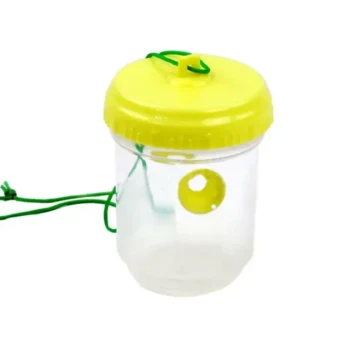
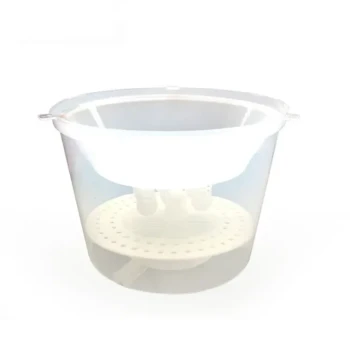
Specialized Pollen Traps are mechanical collection devices installed directly at the entrance of a beehive. By forcing returning foragers to pass through specific grids or screens, the device physically dislodges pollen pellets from the bees' hind legs into a secure collection tray. In the context of Hymenoptera virus studies, this function is critical for intercepting pollen samples immediately upon the bee's return from the field.
Core Takeaway The scientific value of a Pollen Trap lies in its ability to secure raw, unprocessed samples. By capturing pollen before it enters the colony's internal processing chain, researchers can isolate the initial viral load derived specifically from the external environment, distinct from internal hive contamination.
The Mechanics of Sample Isolation
Physical Separation
The trap functions by narrowing the hive entrance with a mesh or grid. As foraging bees navigate this obstruction, the physical contact mechanically strips the pollen pellets carried in the pollen baskets on their hind legs.
Preventing Colony Processing
Crucially, these traps collect pollen before the colony interacts with it. Inside a hive, pollen is typically stored, moved, and processed by nurse bees, which introduces a high risk of cross-contamination.
By intercepting the pellet at the door, the trap ensures the sample represents the external viral landscape, not the internal hive conditions.
Epidemiological Applications
Analyzing Initial Viral Load
For virologists, the distinction between external and internal transmission is vital. The trap allows for the accurate measurement of the initial viral load present on pollen in the wild.
This data is essential for determining if a specific virus is being introduced via environmental sources (like flowers) or if it is proliferating primarily within the hive structure.
Monitoring Pathogen Vectors
Because the samples are raw, researchers can correlate viral presence with specific pollen types. This helps identify which plant species may act as reservoirs or vectors for viral transmission in the local ecosystem.
Understanding the Trade-offs
Mechanical Stress and Physical Intervention
While these traps are essential tools, they are not passive observers. The installation of a trap is a physical intervention that alters the flow of traffic at the hive entrance.
Impact on Colony Health
Research indicates that the high-frequency contact and congestion caused by forcing bees through the trap's grid can impact colony health.
In studies regarding pathogens like Chronic Bee Paralysis Virus, the trap itself may be used to evaluate how such physical stress and increased contact rates influence the transmission dynamics of the disease.
Making the Right Choice for Your Research
To effectively utilize Pollen Traps in viral studies, you must align their use with your specific epidemiological goals.
- If your primary focus is Environmental Surveillance: Use the trap to obtain raw pellets to screen for the presence of viruses in the local flora, ensuring the sample is not contaminated by the hive itself.
- If your primary focus is Transmission Dynamics: Monitor how the physical presence of the trap and the resulting congestion affect the spread of contact-dependent pathogens like Chronic Bee Paralysis Virus.
Deployment of these traps transforms the hive entrance from a simple threshold into a critical checkpoint for distinguishing between environmental viral vectors and internal colony infection.
Summary Table:
| Feature | Function in Virus Research | Impact on Data Quality |
|---|---|---|
| Mechanical Grid | Dislodges pollen pellets before hive entry | Prevents cross-contamination from nurse bees |
| Collection Tray | Secures raw, unprocessed environmental samples | Enables measurement of initial viral load from flora |
| Entrance Barrier | Creates physical congestion and contact | Allows study of contact-dependent transmission dynamics |
| Sample Isolation | Separates external landscape from hive internal | Distinguishes between environmental vectors and colony infection |
Elevate Your Apiary Management with HONESTBEE
At HONESTBEE, we understand that whether you are conducting scientific research on pollinator health or managing a large-scale commercial operation, the quality of your equipment determines your success. We cater specifically to commercial apiaries and global distributors, offering a comprehensive wholesale range of professional-grade beekeeping tools and machinery.
From high-precision specialized hardware to robust hive-making and honey-filling machines, our portfolio provides everything needed to scale your operations and maintain colony health. Our expertise ensures you receive the most durable and efficient equipment and consumables in the industry.
Ready to upgrade your commercial beekeeping capabilities?
Contact HONESTBEE Today to Discuss Your Wholesale Needs
References
- Rajwinder Singh, Diana Cox-Foster. RNA Viruses in Hymenopteran Pollinators: Evidence of Inter-Taxa Virus Transmission via Pollen and Potential Impact on Non-Apis Hymenopteran Species. DOI: 10.1371/journal.pone.0014357
This article is also based on technical information from HonestBee Knowledge Base .
Related Products
- Removable Plastic Pollen Trap With Ventilated Tray for Bees Pollen Collector
- 30 cm Plastic Entrance Hole Bee Pollen Trap and Collector
- Plastic Bee Pollen Trap Strips Comb Catcher Collector
- High-Efficiency Diamond Maze Bee Escape for Clearing Supers
- Professional Bucket Style Wasp and Moth Pheromone Trap
People Also Ask
- What are the design principles and advantages of pollen traps in the collection of bee pollen? Boost Your Apiary Yield
- What is the function of professional pollen traps in evaluating honey plants? Quantifying Pollination and Crop Potential
- What functions do pollen traps serve for bee bread production? Optimize Your Raw Material Collection
- What maintenance and pest prevention measures should be taken for pollen traps? Protect Your Hive and Harvest Quality
- How does the use of pollen traps in honeybee hives enhance crop fertilization? Boost Your Yield Through Induced Activity