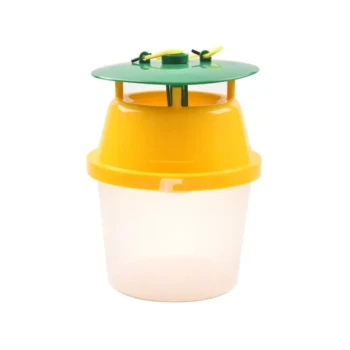
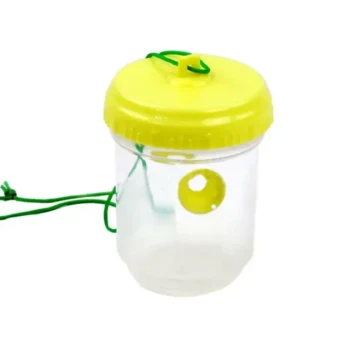
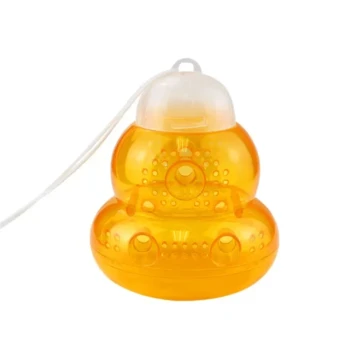
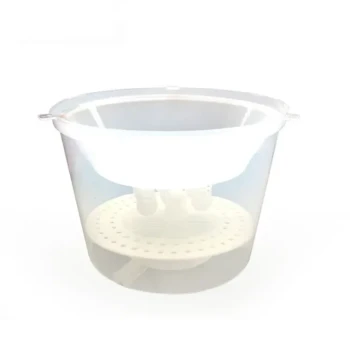
Traditional pollen traps function as mechanical interceptors installed at the entrance of beehives. By forcing returning worker bees to navigate through a physical structure with specific aperture grids, these devices physically strip corbicular pollen pellets from the bees' hind legs without harming the insect. This process enables the automated, non-destructive collection of raw botanical samples necessary for downstream chemical and botanical analysis.
By effectively separating raw pollen from the foraging workforce, traditional traps provide the volume of biological material needed for scientific analysis while allowing the colony to continue its natural operations.
The Mechanics of Interception
To understand the function of a pollen trap, one must look at how it interacts with the anatomy of the returning forager bee.
Physical Separation via Apertures
The core mechanism involves a grid or barrier with precisely sized holes.
As worker bees enter the hive, they are forced to crawl through these small openings. The apertures are large enough for the bee to pass through but too narrow to accommodate the pollen pellets stored in the corbicular baskets on their hind legs.
Non-Destructive Harvest
The primary goal is to collect the sample without injuring the carrier.
As the bee squeezes through the grid, the pollen pellets are mechanically scraped off and fall into a collection tray or drawer below. This ensures the bee enters the hive unharmed, albeit without its cargo.
Large-Scale Automation
Manual collection of pollen from individual bees is impractical for robust analysis.
Traditional traps automate this process, enabling large-scale collection over extended periods. This provides researchers with sufficient quantities of "botanical source powders" to conduct statistically significant studies.
The Purpose of Collection
The function of the trap extends beyond simple harvesting; it is the foundational step for data acquisition in apiary science.
Enabling Chemical Analysis
Once collected, the raw pollen serves as a biological sample for determining chemical composition.
Researchers analyze these samples to understand the nutritional profile of the local flora or to detect environmental contaminants. The trap ensures these samples remain relatively clean and separated from other hive products like honey or wax.
Botanical Identification
The traps preserve the physical structure of the pollen pellets.
This allows for accurate botanical identification, helping researchers map which specific plants the colony is visiting. This data is essential for understanding local biodiversity and the foraging preferences of the colony.
Understanding the Trade-offs
While effective, the use of traditional pollen traps introduces specific variables that must be managed to ensure data integrity and colony safety.
Nutritional Impact on the Colony
Pollen is the primary protein source for the hive.
While traps are designed to be non-destructive to the insect, they do intercept a significant portion of the colony's food supply (often around 50%). Extended use without breaks can stress the colony or limit brood rearing.
Device Placement and Interference
The physical presence of the trap alters the hive entrance dynamics.
Depending on the design (such as bottom-mounted vs. top-mounted), the trap may slightly interfere with flight frequency or cause congestion at the entrance. Bottom traps are generally noted for causing less interference while effectively capturing fresh pollen.
Making the Right Choice for Your Goal
When utilizing traditional pollen traps, your specific objective should dictate how you deploy them.
- If your primary focus is large-scale botanical capability: Ensure the trap is emptied frequently to prevent sample cross-contamination or degradation in the collection drawer.
- If your primary focus is colony health monitoring: Use the trap intermittently to sample nutritional intake without permanently depriving the hive of its essential protein stores.
- If your primary focus is environmental analysis: Deploy traps across different geographical regions to capture a diverse range of raw source powders for comparative chemical profiling.
The traditional pollen trap is not merely a harvesting tool, but a critical diagnostic instrument that converts foraging activity into measurable biological data.
Summary Table:
| Feature | Function & Impact |
|---|---|
| Mechanism | Mechanical interception via precisely sized aperture grids |
| Collection Method | Non-destructive scraping of corbicular pollen pellets |
| Primary Purpose | Automated large-scale sampling for chemical/botanical analysis |
| Colony Impact | Intercepts ~50% of protein intake; requires intermittent use |
| Data Output | Provides raw source powders for nutritional and environmental profiling |
Scale Your Apiary Operations with HONESTBEE
Are you a commercial apiary or a distributor looking to optimize your pollen collection and honey production? HONESTBEE is your strategic partner for high-performance beekeeping solutions. We provide a comprehensive wholesale portfolio designed to meet the rigorous demands of the modern industry:
- Advanced Equipment: From precision hive-making machinery to high-speed honey-filling systems.
- Professional Tools: A full spectrum of durable beekeeping hardware and specialized traditional traps.
- Industry Consumables: Essential supplies to keep your colonies productive and healthy.
- Cultural Merchandise: Unique honey-themed products to diversify your market appeal.
Whether you are conducting environmental research or scaling up commercial output, our experts are ready to supply the tools you need to succeed.
Contact HONESTBEE Today to discuss your wholesale requirements and discover how our equipment can drive your business efficiency.
References
- Chiara Braglia, Philippe Bulet. Application of a robust MALDI mass spectrometry approach for bee pollen investigation. DOI: 10.1007/s00216-024-05368-9
This article is also based on technical information from HonestBee Knowledge Base .
Related Products
- Removable Plastic Pollen Trap With Ventilated Tray for Bees Pollen Collector
- 30 cm Plastic Entrance Hole Bee Pollen Trap and Collector
- Plastic Bee Pollen Trap Strips Comb Catcher Collector
- High-Efficiency Diamond Maze Bee Escape for Clearing Supers
- Professional Bucket Style Wasp and Moth Pheromone Trap
People Also Ask
- What are the design principles and advantages of pollen traps in the collection of bee pollen? Boost Your Apiary Yield
- What is the function of professional pollen traps in evaluating honey plants? Quantifying Pollination and Crop Potential
- What functions do pollen traps serve for bee bread production? Optimize Your Raw Material Collection
- What maintenance and pest prevention measures should be taken for pollen traps? Protect Your Hive and Harvest Quality
- How does the use of pollen traps in honeybee hives enhance crop fertilization? Boost Your Yield Through Induced Activity