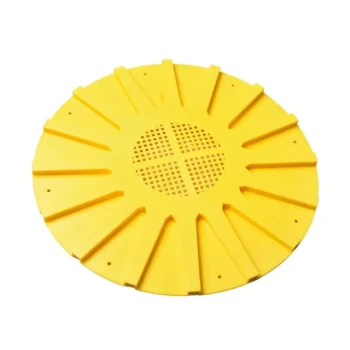
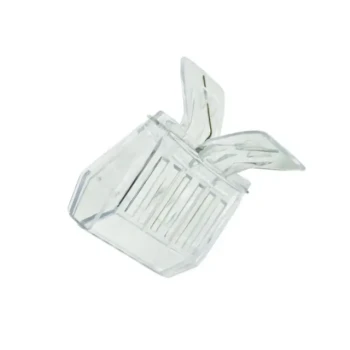
Introducing a queen excluder creates a physical barrier that can impede hive productivity and health. The most significant disadvantages are the restriction of worker bee movement, potential damage to their wings, and the creation of "burr comb" on the device that can block essential airflow.
The central trade-off of a queen excluder is that while it keeps brood out of honey supers, it often acts as a "honey excluder" by discouraging workers from storing resources, reducing ventilation, and potentially triggering swarming due to nest congestion.
Impact on Productivity and Bee Health
The "Honey Excluder" Phenomenon
Many beekeepers refer to these devices as "honey excluders" because they partially block access to the honey supers.
If worker bees struggle to squeeze through the grid, they may become reluctant to enter the upper boxes. This hesitation results in lower honey production and unfilled frames in your supers.
Physical Injury to Workers
Some excluder models, particularly those made of punched plastic, may have sharp edges.
As worker bees force themselves through the tight gaps, these edges can damage their wings. This physical trauma shortens the lifespan of the forager bees, ultimately weakening the colony's workforce.
Drone Entrapment and Mortality
Drones are significantly larger than worker bees and cannot pass through a standard excluder grid.
If drones are caught above the excluder (or try to force their way up), they can become stuck and die. Their bodies may clog the openings, further restricting the movement of worker bees and requiring manual cleaning.
Environmental and Spatial Challenges
Ventilation and Overheating
Bees have a natural tendency to build burr comb (excess wax) on the excluder grid itself.
This wax build-up reduces the effective open area of the excluder, stifling airflow within the hive. In hot weather, this lack of ventilation can lead to dangerous overheating.
Artificial Congestion and Swarming
By design, an excluder restricts the queen's laying area to the lower brood boxes.
If the queen runs out of space to lay eggs, the brood nest becomes congested. This lack of space is a primary trigger for swarming, where half the colony leaves to find a new home, drastically reducing your population.
The "Virgin Queen" Failure
While excluders stop laying queens, they are not foolproof against all queens.
Small or virgin (newly mated) queens can sometimes squeeze through the grid. If this happens, the queen will lay eggs in your honey supers, defeating the purpose of the device entirely.
Understanding the Trade-offs
Maintenance and Cost
Excluders represent an additional expense and introduce a component that is prone to damage during hive manipulations.
Beyond the initial cost, they require regular maintenance. You must frequently scrape off burr comb and remove trapped drones to maintain hygiene and airflow.
Durability Concerns
Not all excluders are created equal; cheap plastic models are easily damaged.
A bent or broken wire in a metal excluder renders the entire tool useless, as the queen will eventually find the gap and enter the supers.
Making the Right Choice for Your Goal
Deciding whether to use an excluder depends on balancing honey purity against maximum yield and colony health.
- If your primary focus is Maximum Honey Yield: Consider leaving the excluder off to allow unrestricted worker movement, accepting the risk that the queen might lay some brood in the supers.
- If your primary focus is Pristine Comb Appearance: Use a high-quality (metal bound) excluder to guarantee brood-free honey frames, but inspect the brood nest frequently for signs of swarming.
- If your primary focus is Colony Health: Monitor the excluder for burr comb buildup regularly to ensure proper ventilation and prevent overheating during summer months.
Ultimately, a queen excluder is a tool of convenience for the beekeeper, not a necessity for the bees.
Summary Table:
| Disadvantage | Impact on the Hive | Consequence |
|---|---|---|
| The Honey Excluder Effect | Workers are reluctant to pass through the grid | Reduced honey storage in supers |
| Physical Injury | Sharp edges on plastic models can tear wings | Shorter lifespan for forager bees |
| Drone Entrapment | Large drones get stuck and die in the grid | Clogged airflow and sanitation issues |
| Burr Comb Buildup | Bees fill the grid with excess wax | Poor ventilation and hive overheating |
| Nest Congestion | Restricted laying space for the queen | High risk of colony swarming |
| Equipment Maintenance | Grids require frequent cleaning and scraping | Increased labor and replacement costs |
Optimize Your Apiary with Premium Beekeeping Solutions
Don't let subpar equipment hinder your honey yield or colony health. At HONESTBEE, we understand the delicate balance between hive management and productivity. We provide commercial apiaries and distributors with high-quality, metal-bound queen excluders designed to minimize bee injury, alongside a full spectrum of professional tools.
From advanced honey-filling machines and durable hive-making hardware to essential consumables and honey-themed merchandise, HONESTBEE is your dedicated partner in large-scale beekeeping success.
Ready to upgrade your wholesale supply? Contact us today to discover how our comprehensive equipment range can streamline your operations!
Related Products
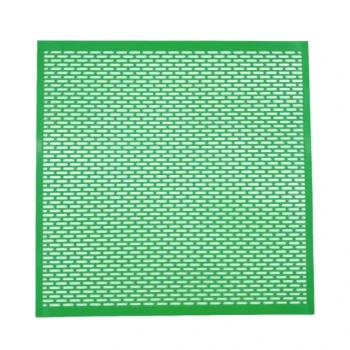
- High Performance Plastic Queen Excluder for Beekeeping and Apiary Management
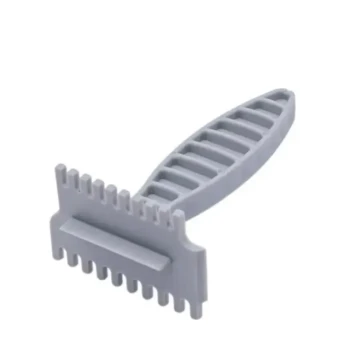
- Lightweight Durable Plastic Queen Excluder Scraper for Beekeeping
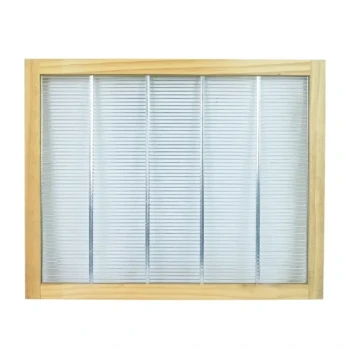
- Premium Wood Framed Metal Wire Queen Bee Excluder
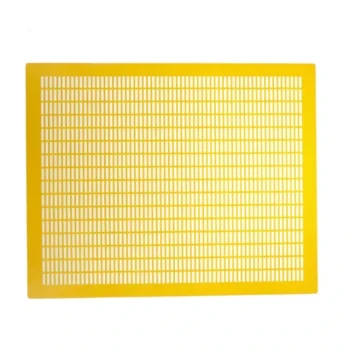
- Professional Plastic Queen Excluder for Modern Beekeeping
- Metal Queen Bee Excluder for Beekeeping
People Also Ask
- What are the characteristics of a plastic queen excluder? Key Benefits for Cost-Effective Beekeeping
- What are the operational and cost advantages of using plastic queen excluders over metal or wire excluders in commercial hive management? Discover how they reduce labor, prevent wing damage, and lower total costs.
- What types of queen excluders are available for beekeepers? Choose the Right Tool for Your Hive
- Why are standardized hive frames and queen excluders essential for maintaining honey purity and quality? Scale Your Purity
- Do plastic queen excluders work? A Cost-Effective Solution for Modern Apiaries