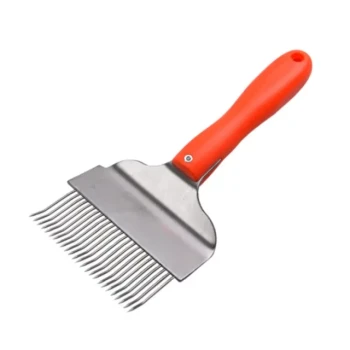
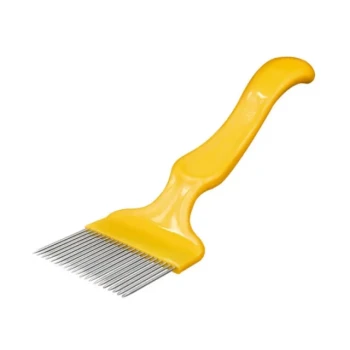
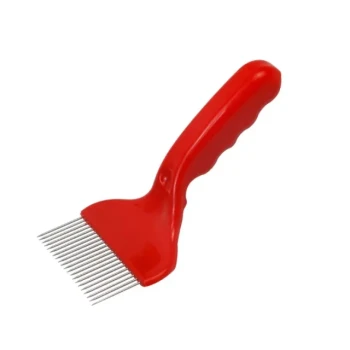
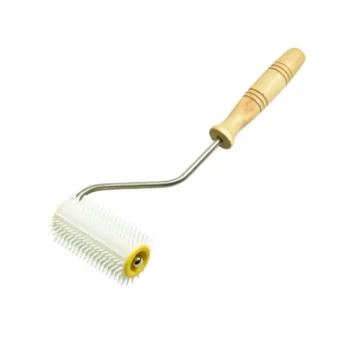
Wax cappings function as a biological "freshness seal" for the hive. They are a natural waterproof barrier constructed by bees to seal honey within the comb cells, protecting the contents from degradation caused by air and moisture. During harvesting, these cappings must be removed because they physically obstruct the cells; simply put, you cannot extract the liquid honey until you break this protective seal.
Core Takeaway: Wax cappings are the hive's mechanism for long-term preservation, locking moisture and air out of the honeycomb. While vital for the bees, they are an obstacle for the beekeeper; removal is the mandatory first step of harvesting to unlock the honey for extraction.
The Biological Purpose of Cappings
Engineered for Preservation
Bees produce wax cappings to stabilize their food supply. Once nectar has been processed into honey and reached the correct humidity, the bees seal the cell.
This creates a waterproof barrier. It ensures the honey remains shelf-stable indefinitely within the hive environment.
Protection from Elements
The primary enemy of stored honey is ambient moisture and air. If left exposed, honey can absorb water from the air and ferment.
The wax capping prevents this interaction. It effectively hermetically seals the comb, maintaining the purity and consistency of the honey inside.
The Harvesting Necessity
Unlocking the Cells
Because the cappings are designed to be impenetrable, honey will not flow out of the comb naturally.
Removing them is the critical first step in harvesting. Whether you are spinning frames or crushing comb, the honey remains trapped until this layer is physically removed.
The Whole Comb Exception
There is only one instance where removing cappings is unnecessary. This occurs if the consumer intends to eat the entire honeycomb.
In this scenario, the wax is consumed along with the honey, providing a different textural experience.
Managing Trade-offs: Waste vs. Recovery
The Honey Loss Dilemma
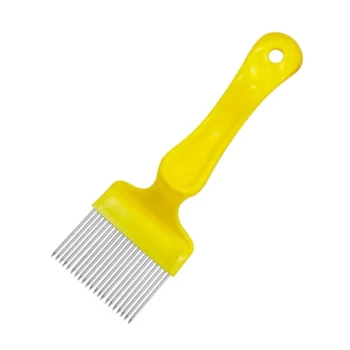
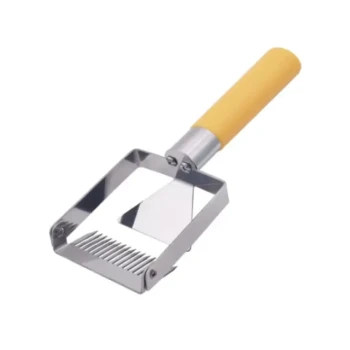
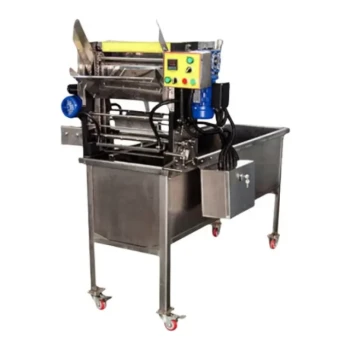
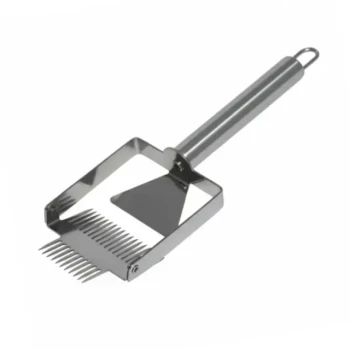
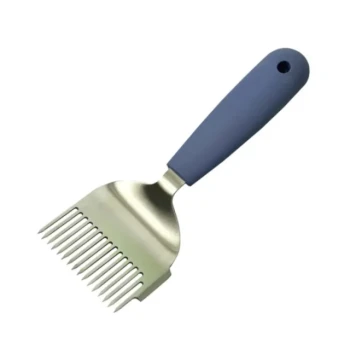
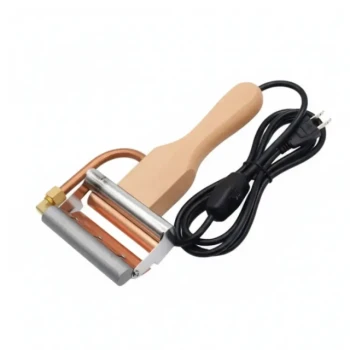
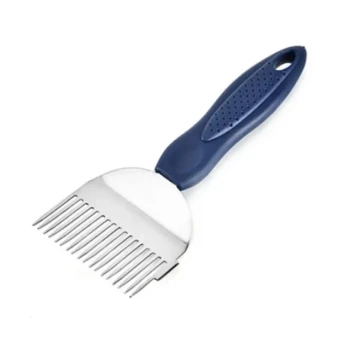
When you remove cappings—often using a specialized tool like a hot knife—you invariably remove a significant amount of high-quality honey along with the wax.
Discarding these scrapings immediately results in unnecessary waste. Beekeepers must balance the speed of extraction with the recovery of this "cappings honey."
Efficient Separation
To minimize waste, you should collect all scrapings in a large metal tray.
Transfer these sticky scrapings into a large mesh bag suspended over a clean bucket. Gravity will do the work for you.
Time and Temperature
Allow the honey to drip through the mesh slowly. This process typically concludes by the following day.
The result is drier wax in the bag and reclaimed liquid honey in the bucket.
Final Cleaning
Once the honey has dripped out, the wax will still contain sticky residue.
Rinse the remaining cappings in cool water. Do not use hot water at this stage, or you risk melting the wax before it is clean.
Making the Right Choice for Your Goal
To maximize your harvest and respect the resources of the hive, approach capping removal strategically.
- If your primary focus is Speed of Extraction: Use a hot knife to quickly shear off cappings, but ensure you have a tray ready to catch the significant run-off.
- If your primary focus is Maximizing Yield: Commit to a secondary straining process by placing all wax cappings in a mesh bag overnight to capture every drop of honey.
- If your primary focus is Wax Production: Rinse your drained cappings with cool water immediately after straining to ensure the wax is free of sugar residues before melting.
By understanding the protective nature of cappings, you turn a harvesting obstacle into a secondary source of honey and beeswax.
Summary Table:
| Feature | Purpose/Necessity | Best Practice |
|---|---|---|
| Biological Role | Waterproof seal to prevent honey fermentation | Allow bees to seal cells before harvesting |
| Removal Reason | Physically unlocks cells for honey extraction | Use a hot knife or uncapping tool for speed |
| Waste Management | Cappings contain high-quality trapped honey | Use a mesh bag and gravity to reclaim runoff |
| Wax Recovery | Secondary resource for candles and wax products | Rinse with cool water to remove sugar residues |
Partner with HONESTBEE for Professional Beekeeping Excellence
At HONESTBEE, we understand that harvesting is the most critical time for your apiary. Whether you are a commercial enterprise or a specialized distributor, we provide the industrial-grade tools you need to maximize your yield and efficiency.
From high-precision honey-filling machines to specialized uncapping equipment and durable hive-making hardware, our comprehensive wholesale portfolio covers the full spectrum of beekeeping machinery and consumables. We also offer a unique range of honey-themed cultural merchandise to help you expand your brand's reach.
Ready to scale your production? Contact us today to discover how our tailored equipment solutions can streamline your operations and enhance your market competitiveness.
Related Products
- Professional Honey Uncapping Roller for Efficient Harvesting
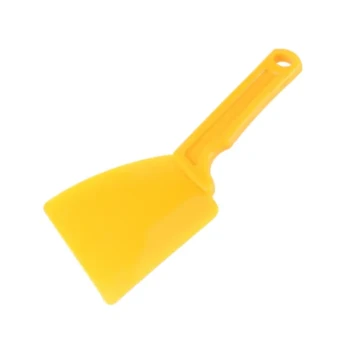
- Professional Honey Scraper for Efficient Apiary Maintenance
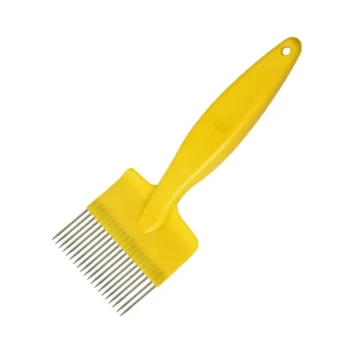
- Professional Durable Plastic Handle Honey Uncapping Fork
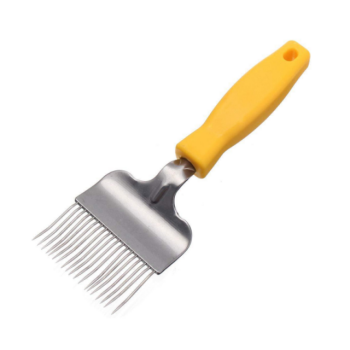
- Professional Bent Tine Honey Uncapping Fork with Ergonomic Grip
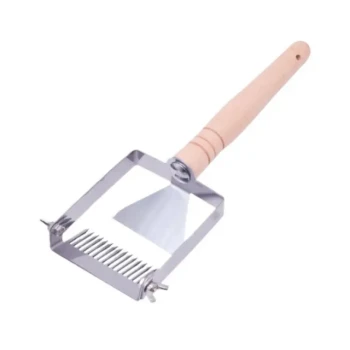
- Adjustable Stainless Steel Honey Uncapping Fork with Scraper for Beekeeping
People Also Ask
- What other tools are available for honey uncapping besides knives? Find the Right Tool for Your Apiary's Scale
- What are the methods of uncapping honey? A Guide to Tools for Efficient Harvests
- What tools are available for uncapping honey? A Guide to Choosing the Right Tool for Your Operation
- What tools can be used to uncap honey cells? Expert Guide to Efficient Honey Extraction Equipment
- What are the essential tools for uncapping honey frames? Choose the Right Tool for Your Apiary