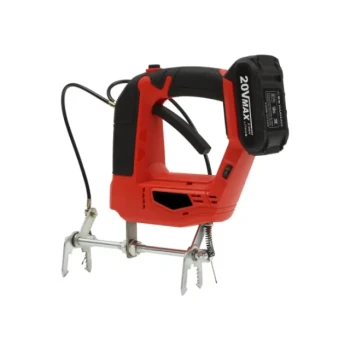
To use a varroa mite monitoring shaker, the procedure centers on separating the parasite from the host through vigorous mechanical agitation. You must first collect a sample of 200 or 300 bees, place them in the device, and shake them for approximately 60 seconds using a specific detachment agent—typically alcohol, winter windscreen washer fluid, or a carbon dioxide (CO2) injector.
Accurate monitoring relies on breaking the physical hold the mite has on the bee's abdomen or thorax. By combining a chemical agent with mechanical force, you dislodge the mites so they fall to the bottom of the transparent bowl for a precise count.
Establishing the Sample
To ensure your count reflects the actual infestation level of the colony, the sampling process must be precise.
Target Sample Size
You must collect a sample of 200 or 300 bees. Collecting fewer bees can lead to statistically insignificant results, potentially masking a dangerous infestation.
Placement in the Device
Once collected, the bees are placed directly into the shaker's main chamber. This chamber is designed to hold the bees while allowing smaller particles—specifically the mites—to pass through to a viewing area.
The Separation Mechanism
The core of the procedure is the detachment phase, where you force the mites to release their grip.
Choosing a Detachment Agent
You must add a separation medium to the shaker. The primary reference suggests using alcohol or winter windscreen washer fluid for a liquid wash. Alternatively, a carbon dioxide (CO2) injector can be used for a "dry" gas method.
The Agitation Phase
You must shake the device for approximately 60 seconds. This duration is critical; a quick shake is insufficient to dislodge mites hidden between the bees' abdominal segments.
Mechanical Force
The shaking motion causes the bees to collide and rub against one another and the fluid. This mechanical friction forcibly dislodges the mites from the bees' bodies.
Visual Confirmation
As the mites detach, they fall through a filter or screen to the bottom of the device's transparent bowl. Because the bees remain in the upper chamber, you can easily count the dark mites against the bottom of the container.
Understanding the Trade-offs
While the general shaking procedure is similar regardless of the medium used, the choice of detachment agent affects the outcome for the bee sample.
Liquid Washes (Alcohol/Washer Fluid)
Using alcohol or washer fluid is highly effective at killing mites and washing them off. However, this method is lethal to the bee sample.
Carbon Dioxide (CO2)
Using a CO2 injector is intended to anesthetize the bees rather than kill them. However, it may require careful handling to ensure enough force is applied to dislodge the mites without the assistance of a liquid carrier.
Making the Right Choice for Your Goal
The specific method you choose depends on whether you prioritize sample preservation or maximum detachment efficiency.
- If your primary focus is consistent accuracy: Prioritize a liquid wash (alcohol or washer fluid) and ensure you adhere strictly to the 60-second shaking duration to maximize mite drop.
- If your primary focus is non-lethal sampling: Utilize the CO2 injector method, but be vigilant about the vigor of your shake to ensure mites are actually dislodged.
Consistent monitoring using a standardized shaking protocol is the single most effective way to prevent colony collapse due to Varroa infestation.
Summary Table:
| Step | Action | Key Requirement |
|---|---|---|
| 1. Sampling | Collect 200-300 bees | Ensure sample size is statistically significant |
| 2. Preparation | Add detachment agent | Use alcohol, washer fluid, or CO2 injector |
| 3. Agitation | Shake for 60 seconds | High mechanical force is required to dislodge mites |
| 4. Counting | Visual inspection | Count mites in the transparent bottom bowl |
| 5. Decision | Calculate infestation % | Determine if treatment threshold is met |
Scale Your Success with Professional Beekeeping Solutions
Efficient varroa management is the cornerstone of a productive honey harvest. At HONESTBEE, we understand the needs of commercial apiaries and distributors. We provide a complete spectrum of beekeeping tools, from precise monitoring devices and specialized hardware to hive-making and honey-filling machinery.
Whether you are stocking up on essential consumables or upgrading your industrial equipment, our comprehensive wholesale offering ensures you stay competitive. Contact us today to discover how our premium products and dedicated support can optimize your beekeeping operations and drive your business forward.
Related Products
- Varroa Easy Check Mite Tester Kit Counter Alcohol Wash Jar
- Langstroth Screen Bottom Board for Beekeeping Wholesale
- Compact Circular Bee Mite Treatment Dispenser
- Adjustable Formic and Acetic Acid Dispenser for Bee Mite Treatment
- High Performance Cordless Electric Bee Shaker for Beekeeping
People Also Ask
- What tools are utilized within an Integrated Pest Management (IPM) strategy for honeybees? Optimize Colony Health
- What is the significance of standardized detection tools in Varroa control? Data-Driven Beekeeping Strategies
- Why is surfactant added to 70% alcohol for Varroa detection? Ensure Accurate Mite Counts for Professional Beekeeping
- What is the purpose of using white filter cloth for Varroa mite screening? Enhance Detection and Accuracy
- How does a specialized Varroa mite tester with sugar powder facilitate mite diagnosis? Precise B2B Hive Health Solutions