High-performance transport containers serve as the critical defense system in honey logistics, functioning as far more than simple storage vessels. They provide essential physical isolation and environmental protection, utilizing specialized features like anti-corrosion linings and superior sealing to prevent moisture ingress, heat damage, and chemical contamination during transit.
By neutralizing the specific risks of hygroscopic absorption and chemical migration, these containers act as a preservation vault. They ensure that the stability achieved during processing is maintained until delivery, guaranteeing compliance with rigorous international trade standards.
The Mechanics of Quality Preservation
Combating Chemical Migration
Standard metal drums can degrade over time, leading to rust and contamination. High-performance containers utilize anti-corrosion linings to create a chemically inert barrier between the vessel and the product.
This lining prevents the honey from interacting with the container material. It eliminates the risk of chemical leaching or rust particles compromising the food safety profile of the cargo.
Controlling Moisture and Fermentation
Honey is naturally hygroscopic, meaning it actively attracts and absorbs moisture from the surrounding air. If the water content rises too high, the natural yeasts in honey will trigger fermentation, spoiling the batch.
High-quality containers feature advanced sealing properties that hermetically isolate the honey. This prevents ambient humidity from entering the vessel, effectively halting the fermentation process before it can begin.
Ensuring Commercial Viability
Meeting International Standards
Global trade relies on strict physicochemical inspections. A container that allows even minor degradation can cause a shipment to fail these inspections upon arrival.
By stabilizing the honey's environment, high-performance containers ensure the product retains the technical evidence of quality required for export certifications. They bridge the gap between production quality and the stringent requirements of global distribution networks.
Preserving Sensory Integrity
Beyond chemical composition, honey acts as a "flavor sponge." It can easily absorb strong odors from the logistics environment, such as ship fuel or warehousing chemicals.
Food-grade, chemically inert containers provide an impermeable shield against external odors. This guarantees that the flavor profile developed at the production site remains unaltered for the end consumer.
Understanding the Risks of Subpar Equipment
The Cost of Corroded Vessels
Using non-specialized or degraded drums is a common pitfall in logistics cost-cutting. Once a drum begins to rust, physical contamination is immediate and irreversible.
This degradation not only ruins the immediate product but can flag your entire supply chain for closer regulatory scrutiny, causing long-term delays.
The Impact of "Micro-Leaks"
A container may look secure but lack a true hermetic seal. Even microscopic gaps allow for moisture exchange during the temperature fluctuations of long-distance transport.
This invisible ingress raises the moisture content over weeks of travel. You may ship stable honey, but arrive with fermented, unsellable product solely due to inadequate sealing.
Securing Your Supply Chain
To ensure your product survives the rigors of global logistics, match your container choice to your specific commercial objectives.
- If your primary focus is Flavor Preservation: Prioritize containers with high chemical inertness and superior sealing to prevent odor absorption and moisture intake.
- If your primary focus is International Compliance: Select containers specifically equipped with certified anti-corrosion linings to prevent chemical migration and pass physical inspections.
Investing in high-performance containment is not an added cost; it is the only way to insure the value of your harvest against the volatility of transit.
Summary Table:
| Protection Feature | Technical Benefit | Impact on Honey Quality |
|---|---|---|
| Anti-Corrosion Lining | Prevents chemical leaching and rust | Maintains food safety and chemical purity |
| Hermetic Sealing | Blocks ambient moisture and humidity | Prevents fermentation and water content rise |
| Inert Barrier | Shields against external odors and fuels | Preserves original sensory and flavor profile |
| Structural Integrity | Resists physical damage and leaks | Ensures compliance for international export |
Secure Your Harvest with HONESTBEE’s Professional Solutions
Protect your commercial viability with the industry's most reliable beekeeping and processing equipment. At HONESTBEE, we empower commercial apiaries and distributors with high-performance tools and machinery designed to withstand the rigors of global logistics.
From advanced hive-making and honey-filling machines to specialized wholesale beekeeping hardware and consumables, our comprehensive portfolio ensures your product maintains its premium value from the hive to the international market. Don't let subpar equipment compromise your supply chain—partner with a team that understands the technical demands of honey preservation.
Ready to upgrade your logistics and production? Contact us today to explore our wholesale offerings!
References
- Fawzy Eissa, El-Kazafy A. Taha. Contaminants in honey: an analysis of EU RASFF notifications from 2002 to 2022. DOI: 10.1007/s00003-023-01460-x
This article is also based on technical information from HonestBee Knowledge Base .
Related Products
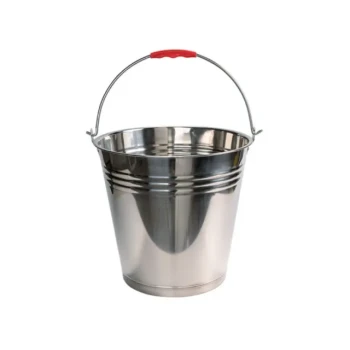
- Premium Stainless Steel Honey Tank Bucket Pail with Reinforced Handle and Polished Finish
- Stainless Steel Honey Storage Tank with Lid for Honey
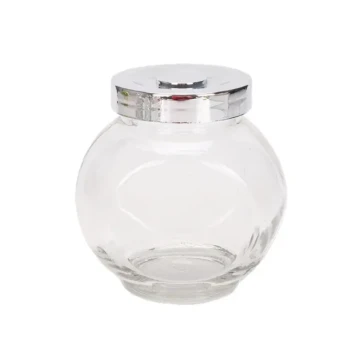
- Classic Drum Shaped Glass Honey Jar with Airtight Lid
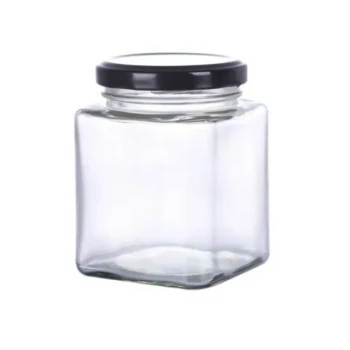
- Modern Square Glass Honey Jar with Twist Off Lid
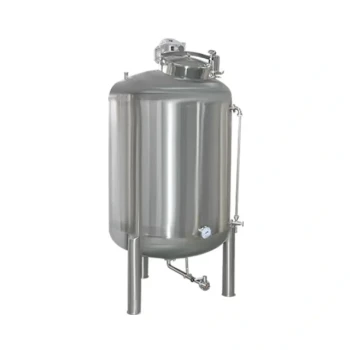
- Professional Honey Storage Tank with Agitation System
People Also Ask
- What is the best container for honey? Preserve Purity & Flavor with the Right Choice
- What honey container sizes are recommended for specific commercial use cases? Maximize Your Apiary Profits
- What is the best container to store honey in? Preserve Purity & Flavor for Years
- What container can I put honey in? Choose the Best for Purity & Practicality
- What should be considered when choosing a container for honey to ensure effective sealing? Master Honey Packaging Success