The primary function of industrial vacuum packaging and moisture-proof storage equipment is to neutralize the highly hygroscopic nature of legume powders. By creating a sealed, anaerobic environment, this technology prevents the raw materials from absorbing atmospheric moisture, effectively stopping the development of mold, fermentation, and fatal mycotoxins.
Core Takeaway: Legume-based supplements act like sponges for moisture, creating an immediate risk of toxic spoilage. Industrial vacuum sealing removes the air and moisture required for microbial growth, extending shelf life to one year and ensuring the feed remains safe for colonies during critical winter months.
The Core Challenge: Hygroscopic Materials
Understanding Moisture Absorption
Powdered legume materials are defined as highly hygroscopic. This means they naturally attract and hold water molecules from the surrounding environment.
The Immediate Risks
If exposed to standard atmospheric air, these powders rapidly dampen. This absorption triggers biological processes that degrade the nutritional value of the supplement.
The Chain Reaction of Spoilage
Once moisture penetrates the powder, it creates an environment conducive to mold growth and fermentation. Without intervention, large-scale storage becomes a breeding ground for spoilage organisms.
The Technical Solution: Vacuum Barriers
Creating an Anaerobic Environment
A vacuum packaging machine does more than just close a bag; it actively removes excess air. This creates a sealed anaerobic environment where aerobic bacteria and mold cannot survive.
Preventing Oxidation
By removing oxygen, the equipment stops the chemical process of oxidation. This preserves the integrity of the fats and nutrients within the legume patties.
Material Requirements
To maintain this vacuum, patties are sealed inside polyethylene bags. These specific materials provide the necessary durability and impermeability to hold the vacuum seal over time.
Shelf Life Extension
When properly sealed in this manner, the product achieves a shelf life of up to one year. This remains effective even when stored in dry, room-temperature environments.
Critical Safety Implications for Apiaries
The Mycotoxin Threat
The most dangerous result of improper storage is the development of mycotoxins. These toxic compounds are byproducts of mold and can be fatal to bee colonies.
Safeguarding Winter Reserves
This protection is vital when storing supplements from autumn for use in winter. The packaging acts as a critical safeguard, ensuring the food provided during the colony's most vulnerable months is free from contamination.
Understanding the Trade-offs
Equipment Dependency
Reliability is entirely dependent on the seal integrity. If the polyethylene bag is punctured or the vacuum seal fails, the hygroscopic nature of the legumes will immediately resume absorbing moisture.
Processing Complexity
Implementing this stage adds a step to the manufacturing line. It requires specialized machinery and consistent monitoring to ensure that every unit achieves a complete vacuum before storage.
Making the Right Choice for Your Operation
To maximize the safety and longevity of your legume-based supplements, align your storage strategy with your specific operational goals:
- If your primary focus is Colony Safety: Prioritize vacuum sealing to strictly prevent mycotoxin development, which is the leading cause of feed-related colony collapse in winter.
- If your primary focus is Inventory Management: Utilize moisture-proof barriers to extend shelf life to a full year, allowing for bulk production in autumn without risk of spoilage.
Proper isolation from atmospheric moisture is not just a storage technique; it is a biological necessity for legume-based bee feed.
Summary Table:
| Feature | Impact on Legume Supplements | Benefit to Apiaries |
|---|---|---|
| Hygroscopic Neutralization | Prevents absorption of atmospheric moisture | Stops mold growth and fermentation |
| Anaerobic Environment | Removes oxygen required by aerobic bacteria | Prevents oxidation and nutrient loss |
| Mycotoxin Prevention | Eliminates the environment for toxic mold | Ensures colony safety during winter |
| Polyethylene Sealing | Provides a durable, impermeable moisture barrier | Extends product shelf life up to 1 year |
| Vacuum Integrity | Maintains a constant air-free state | Allows for secure bulk autumn production |
Secure Your Apiary’s Nutrition with Professional Equipment
At HONESTBEE, we understand that large-scale beekeeping success depends on the quality and safety of your feed. As a leading partner for commercial apiaries and distributors, we provide more than just supplies—we provide solutions.
Our comprehensive wholesale offering includes:
- Industrial Machinery: Advanced hive-making and honey-filling machines to scale your production.
- High-Performance Tools: A full spectrum of beekeeping hardware and equipment built for durability.
- Essential Consumables: Every item needed to maintain healthy colonies and efficient workflows.
Whether you are scaling your honey production or distributing premium beekeeping tools, HONESTBEE delivers the hardware and cultural merchandise you need to thrive. Contact us today to optimize your operation!
References
- Nikol Siche, César Eduardo Honorio-Javes. ¿Pueden las leguminosas ser una alternativa económica y sostenible en la nutrición apícola para mejorar la producción de colmenas?. DOI: 10.57188/manglar.2024.060
This article is also based on technical information from HonestBee Knowledge Base .
Related Products
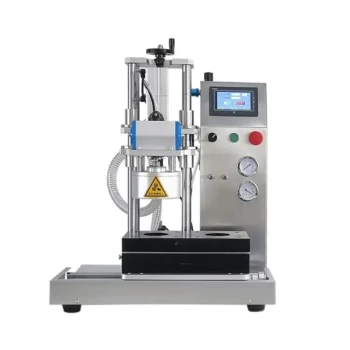
- Semi-Automatic Vacuum Capping Machine with Pneumatic Control for Glass Jars
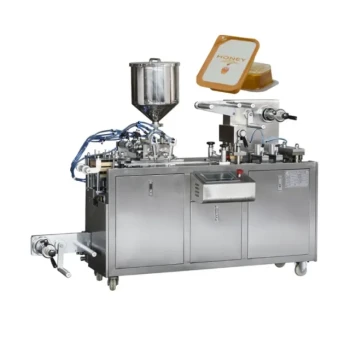
- Professional Durable Customizable Blister Packing Machine
- Small Honey Filling Machine Sachet Packing Equipment Single Nozzle
- Pneumatic Paste Filling Machine Bottling Packaging Machine Single Nozzle
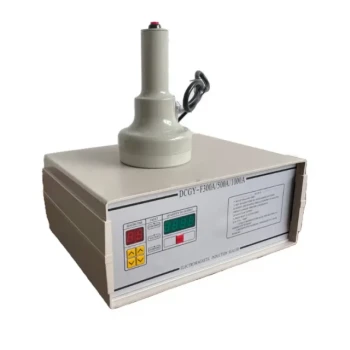
- Handheld Induction Sealing Machine for Tamper Evident Packaging
People Also Ask
- What is the function of a capping machine in honey packaging? Secure Your Product Quality and Shelf Life
- Which machine is used for sealing of bottles? Choose the Right Capper for Your Production Line
- What are the different types of capping machines available? Choose the Right One for Your Production Scale
- What types of caps can capping machines handle? Find the Right Solution for Your Bottling Line
- How does a bottle capping machine work? Unlock Efficient, Consistent Sealing for Your Production Line