The primary function of a vacuum packaging machine for bee drone comb samples is to mechanically evacuate air from the storage bag, creating a hermetically sealed environment. This process isolates the samples from oxygen and external moisture, serving as the first line of defense against environmental degradation before the samples enter cold storage.
Core Takeaway Vacuum sealing is fundamentally a chemical preservation strategy, not just a packaging method. By eliminating oxygen, it prevents oxidative rancidity and frost-related dehydration, ensuring the stability of critical nutritional components like fatty acids and amino acids during long-term freezing.
The Mechanisms of Preservation
To understand why vacuum packaging is necessary, one must look at the specific threats facing biological samples like drone larvae and pupae.
Preventing Oxidative Rancidity
When biological samples are exposed to air, they undergo oxidation. Vacuum packaging significantly reduces the oxygen levels inside the bag.
This creates a low-oxygen environment that inhibits the chemical reactions leading to oxidative rancidity. This is particularly critical for preserving the integrity of lipids found within the drone comb.
Eliminating Frost-Related Dehydration
Freezers, specifically those operating at -20°C, are incredibly dry environments that can draw moisture out of biological tissues.
This phenomenon is commonly known as "freezer burn." Vacuum sealing acts as a physical barrier, locking moisture inside the sample and preventing the dehydration that alters the physical state of the comb.
Protecting Nutritional Integrity
The ultimate goal of using a vacuum machine is to maintain the sample's bio-chemical profile for future analysis.
Stabilizing Fatty Acids
Bee drone larvae are rich in specific nutrients that are highly volatile. Fatty acids are susceptible to breaking down when exposed to air or fluctuating humidity.
Vacuum sealing locks the chemical state of these acids at the moment of collection, ensuring that laboratory results reflect the sample's original composition.
Preserving Amino Acid Profiles
Similar to fatty acids, amino acids require strict stability to remain viable for nutritional analysis.
By isolating the sample from external moisture and oxygen, the vacuum process prevents the degradation that causes fluctuations in these protein building blocks.
Understanding the Critical Dependencies
While vacuum packaging is effective, it is not a standalone solution for indefinite preservation.
The Requirement of the Cold Chain
Vacuum sealing is designed to work in tandem with -20°C cold chain transportation.
The vacuum seal protects against chemistry-altering reactions (oxidation), while the freezing temperature halts biological activity. One cannot succeed without the other; a vacuum-sealed bag left at room temperature will still degrade, albeit more slowly.
Dependency on Seal Integrity
The effectiveness of this method relies entirely on the quality of the seal. Any breach allows oxygen re-entry, which immediately restarts the clock on oxidative deterioration.
Making the Right Choice for Your Goal
When handling bee drone comb samples, apply this preservation method based on your specific analytical needs.
- If your primary focus is Chemical Analysis: Prioritize the removal of oxygen to protect sensitive fatty acids and amino acids from rancidity.
- If your primary focus is Sample Logistics: Ensure the vacuum seal is robust enough to prevent frost-related dehydration during the rigors of transport and -20°C storage.
Vacuum packaging provides the essential stability required to turn a raw biological sample into reliable scientific data.
Summary Table:
| Preservation Factor | Impact on Drone Comb Samples | Role of Vacuum Packaging |
|---|---|---|
| Oxygen Exposure | Causes oxidative rancidity of lipids/fats | Mechanically evacuates air to inhibit oxidation |
| Moisture Loss | Leads to freezer burn and tissue dehydration | Creates a physical barrier to lock in sample moisture |
| Nutritional Profile | Degrades volatile fatty and amino acids | Stabilizes the bio-chemical profile at collection |
| Storage Environment | Cold chain (-20°C) causes dry conditions | Isolates samples from the dry freezer environment |
Maximize Your Apiary Productivity with HONESTBEE
Preserving the quality of your drone comb samples is just the beginning. At HONESTBEE, we empower commercial apiaries and distributors with the specialized machinery and tools needed to scale operations efficiently.
Whether you are looking for high-precision honey-filling machines, robust hive-making equipment, or essential beekeeping consumables, we provide the comprehensive wholesale solutions your business deserves. Partner with us to access professional-grade hardware and honey-themed cultural merchandise designed for the modern beekeeping industry.
Ready to upgrade your production capabilities?
Contact HONESTBEE Today
References
- Sampat Ghosh, Chuleui Jung. Nutritional Composition of Honey Bee Drones of Two Subspecies Relative to Their Pupal Developmental Stages. DOI: 10.3390/insects12080759
This article is also based on technical information from HonestBee Knowledge Base .
Related Products
- Manual Beeswax Comb Foundation Machine Wax Foundation Mill Embossing Machine
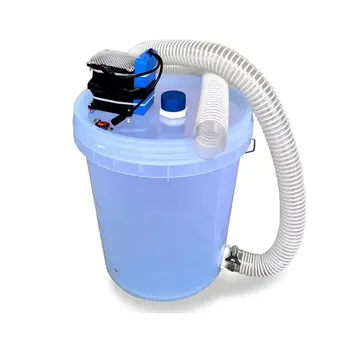
- Portable Electric Bee Vacuum with Lithium Battery and 20L Collection Bucket
- Professional Frame Comb Fork and Lifter for Efficient Handling
- Semi-Auto Bee Frame Assembly and Stapling Machine for Bee Frame
- High-Efficiency Pneumatic Bee Hive Making Machine for Rapid Box Assembly
People Also Ask
- What are the primary technical challenges faced by beeswax foundation production machinery? Tackling Lipophilic Residues
- What are the advantages of implementing a pulley and belt drive system in beeswax foundation machinery? Master Quality.
- What role does a foundation machine play in the recycling and resource utilization of beeswax within an apiary?
- Why is the introduction of a beeswax foundation machine considered an important step in improving honey yields?
- How do beeswax foundation machines facilitate the internal recycling of beeswax? Build a Self-Sustaining Apiary