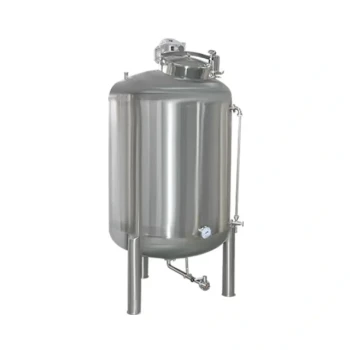
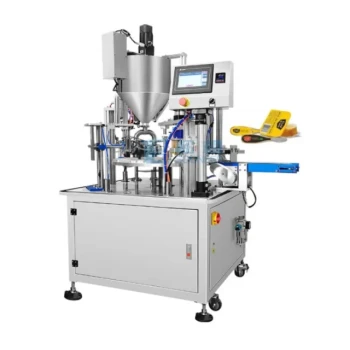
The primary role of professional honey filling and storage equipment is to strictly regulate environmental variables to preserve the product's chemical and biological integrity. By maintaining precise temperature controls and minimizing atmospheric exposure, these systems prevent moisture absorption and heat degradation, ensuring that sensitive enzymes like diastase and bioactive compounds remain intact.
The Core Protection Mechanism
Honey is a living, hydroscopic product that degrades rapidly under poor conditions. Professional equipment acts as a critical intervention barrier, locking in physicochemical stability and biological activity to prevent fermentation and oxidation during the transition from harvest to shelf.
Preserving Bioactive Potency
The most significant value of professional storage and filling gear lies in its ability to protect heat-sensitive components.
Retention of Enzymes
Honey contains volatile enzymes, specifically diastase, which serve as key indicators of quality and freshness.
Uncontrolled heat during processing or storage denatures these enzymes. Professional equipment utilizes precise thermal regulation to keep the honey within a safe temperature range, ensuring the final product meets strict regulatory requirements for biological activity.
Protecting Flavonoids
Beyond enzymes, honey is rich in bioactive substances such as flavonoids, which contribute to its health benefits.
Standard storage methods often expose honey to fluctuating temperatures that can degrade these compounds. Professional storage facilities maintain a stable environment that maximizes the retention of these nutrients, directly supporting the product's premium classification.
Controlling Moisture and Stability
Moisture management is the technical foundation of honey safety, determining whether a batch will spoil or remain shelf-stable.
Preventing Fermentation
Honey is hygroscopic, meaning it naturally absorbs moisture from the air. If the moisture content rises above 20%, the risk of fermentation increases drastically.
Automated filling equipment mitigates this by providing a controlled packaging environment. By isolating the honey from humid air during dispensing, the machinery ensures moisture levels remain below the critical threshold required for shelf stability.
Barriers Against Oxidation
Industrial-grade filling tools and high-barrier storage consumables prevent oxidation.
Oxygen exposure degrades flavor and color over time. By utilizing systems designed for complete isolation from external contaminants, producers protect the natural quality of the honey throughout complex supply chains.
Standardization and Purity
While preservation is about chemistry, marketability is about physical consistency.
Clarification and Filtration
Specialized processing equipment employs standardized filtration to remove physical impurities.
This process eliminates wax debris, larval fragments, and other particulate matter introduced during harvesting. The result is a product with higher transparency and purity, which is essential for meeting consumer sensory expectations.
Preventing Stratification
Improper handling prior to packaging often leads to quality stratification, where the honey separates or crystallizes unevenly.
Efficient processing equipment implements technical measures that homogenize the batch. This prevents secondary contamination and ensures that every unit filled maintains consistent physicochemical indicators.
Understanding the Trade-offs
While professional equipment elevates quality, it introduces specific operational demands that must be managed.
The Risk of Over-Processing
The drive for transparency and purity must be balanced against the preservation of raw characteristics. While filtration removes impurities, aggressive processing can strip pollen or unique textural elements if not carefully calibrated.
Dependency on Process Control
Equipment is only as effective as its calibration. The primary reference notes that meeting "physicochemical indicators" requires strict adherence to temperature and moisture limits. Reliance on machinery without monitoring these variables can lead to a false sense of security, resulting in invisible thermal damage despite a clean physical appearance.
Making the Right Choice for Your Goal
To maximize the utility of this equipment, align your technology choice with your market objectives.
- If your primary focus is Regulatory Compliance: Prioritize storage systems with advanced thermal regulation to protect diastase levels and ensure valid certification for high-end markets.
- If your primary focus is Shelf Stability: Invest in automated filling lines with integrated hygrometers to guarantee moisture content remains strictly below 20% to eliminate fermentation risks.
Professional equipment is not merely about increasing volume; it is the only reliable method to stabilize the biological clock of honey, freezing its quality at the moment of harvest.
Summary Table:
| Key Feature | Preservation Benefit | Quality Impact |
|---|---|---|
| Precise Thermal Control | Protects heat-sensitive diastase & enzymes | Ensures regulatory compliance & freshness |
| Moisture Regulation | Keeps moisture levels < 20% | Prevents fermentation & spoilage |
| Atmospheric Isolation | Minimizes oxygen and humidity exposure | Prevents oxidation and flavor degradation |
| Standardized Filtration | Removes wax debris and particulate matter | Improves transparency and sensory purity |
| Homogenization | Prevents quality stratification | Ensures consistent crystallization & texture |
Elevate Your Honey Production with HONESTBEE
Maintaining the biological integrity of honey requires more than just standard tools; it requires professional-grade precision. HONESTBEE provides commercial apiaries and distributors with the high-performance machinery needed to lock in quality from harvest to shelf.
From honey-filling machines that prevent moisture absorption to specialized hive-making equipment and essential consumables, we offer a comprehensive wholesale portfolio designed for industry leaders. Whether you are looking to scale your operation or ensure strict regulatory compliance, our expert solutions empower you to deliver a premium product every time.
Ready to upgrade your facility? Contact HONESTBEE Today to Discuss Your Wholesale Needs
References
- Monika Tomczyk, Małgorzata Dżugan. The influence of geographical origin on honey composition studied by Polish and Slovak honeys. DOI: 10.17221/40/2019-cjfs
This article is also based on technical information from HonestBee Knowledge Base .
Related Products
- Small Honey Filling Machine Sachet Packing Equipment Single Nozzle
- Double Nozzle Small Honey Filling Machine Honey Sachet Packing Packaging Equipment
- Stainless Steel Honey Storage and Settling Tank with Double Strainer
- Professional Honey Storage Tank with Agitation System
- Automatic Honey Filling and Filtering Machine for Beekeeping Bottle Filling
People Also Ask
- Why is high-performance honey filling and packaging equipment essential? Boost Efficiency & Brand Value
- Why is precision temperature control necessary for red honey filling? Preserve Amorpha fruticosa Color and Aroma
- How does specialized honey filling equipment contribute to honey distribution? Scale Your Wholesale Efficiency Today
- Why is high-precision honey filling equipment necessary? Secure the medicinal value and ROI of stingless bee honey.
- What is honey filling equipment used for? Optimize Your Bottling with Precision Automation