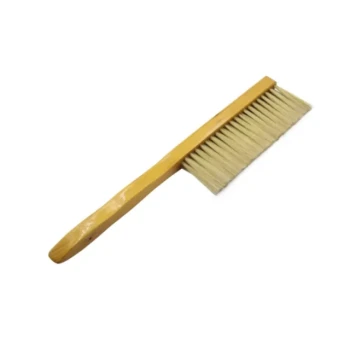
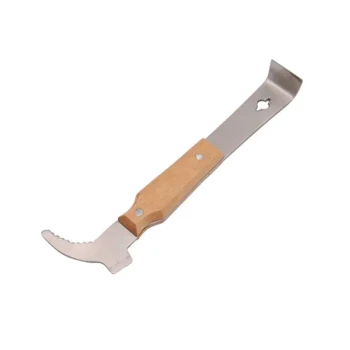
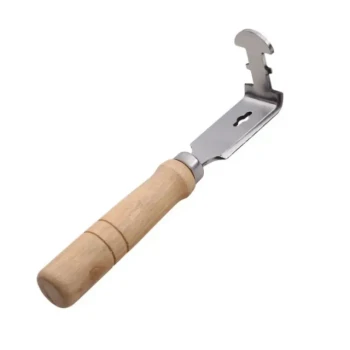
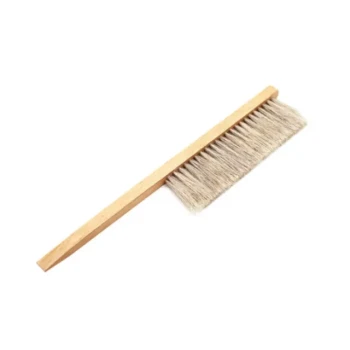
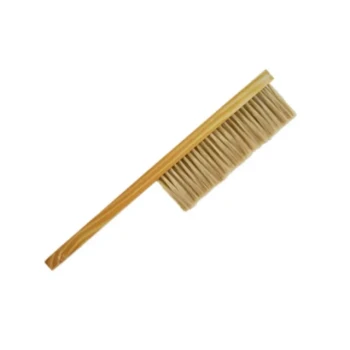
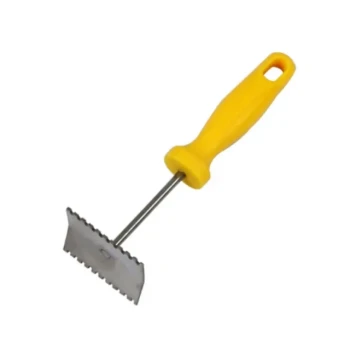
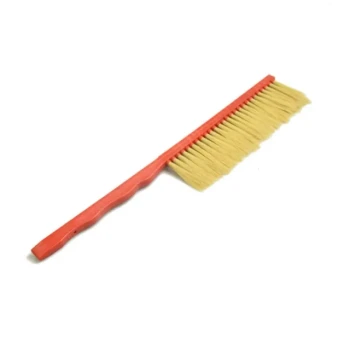
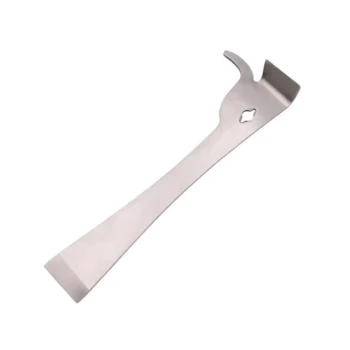
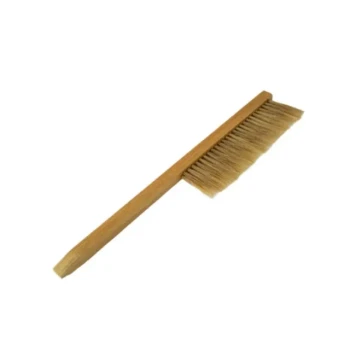
Regular hive clearing is the foundational step in assuring the sanitary quality of bee products. It involves the systematic removal of accumulated wax debris, dead bees, and foreign matter from the hive floor using specialized hooks or brushes. By eliminating these contaminants at the source, you prevent them from entering the supply chain during honey extraction, thereby preserving the sensory profile and hygiene of the final product.
Effective hive clearing does more than tidy the workspace; it eliminates the biological breeding grounds for pests like wax moths. This proactive sanitation is critical for maintaining a colony environment that supports high-purity honey production.
The Mechanics of Contamination Control
Eliminating Pest Breeding Grounds
Accumulated waste at the bottom of a hive is not merely unsightly; it is a biological hazard. This debris serves as an ideal nursery for pests, specifically wax moths.
By regularly clearing this waste, you break the lifecycle of these pests. Removing the organic material they feed on prevents infestations that could otherwise overrun the colony and contaminate the comb.
Protecting the Extraction Line
The quality of the honey in the jar is directly dictated by the cleanliness of the hive floor. If waste is allowed to build up, there is a high risk of impurities entering the processing machinery during extraction.
Regular clearing ensures that when frames are pulled for harvest, the environment is free of foreign matter. This maintains strict hygiene standards and protects the delicate sensory qualities of the honey from being tainted by decaying organic matter.
Operational Precision and Equipment Health
Proper Separation of Components
Bees naturally seal hive components with propolis and beeswax, creating tight bonds between boxes and frames. Specialized hive tools are required to pry these components open without applying destructive force.
These tools allow for the precise separation of frames. This facilitates the scraping away of excess waste wax and propolis that interferes with hive inspections and sanitation.
Preventing Biological Contamination
Careless maintenance can introduce its own contaminants. Specialized tools are designed to separate frames without crushing bees.
Avoiding crushed bees is vital not only for colony welfare but for product purity. It prevents bee fluids and stress pheromones from contaminating the hive environment, while simultaneously protecting the structural durability of your equipment.
Understanding the Trade-offs
Balancing Sanitation with Colony Stress
While regular clearing is essential, it constitutes a disturbance to the hive. Opening the hive alters the internal temperature and humidity that bees work hard to maintain.
Operators must balance the frequency of clearing with the colony's need for stability. Over-manipulation can stress the bees, potentially lowering productivity even as cleanliness increases.
The Risk of Cross-Contamination
The tools used for clearing can become vectors for disease if not managed correctly. A hive tool used to scrape debris from a sick colony can transfer pathogens to a healthy one.
Strict sanitization of the hooks, brushes, and scrapers used for clearing is mandatory. Without this step, the process intended to ensure purity may inadvertently spread disease.
Integrating Clearing into Your Apiary Management
To maximize the benefits of hive clearing, align your maintenance schedule with your specific production goals.
- If your primary focus is Sensory Quality and Purity: Prioritize clearing the hive floor immediately before the honey flow begins to ensure the environment is pristine for the new harvest.
- If your primary focus is Equipment Longevity: Use specialized prying tools to break propolis seals gently, ensuring that scraping waste does not gouge or damage the wooden components.
Consistent, careful removal of hive debris is the simplest, most effective investment you can make in the quality of your apiary's output.
Summary Table:
| Key Benefit | Impact on Purity & Productivity |
|---|---|
| Pest Control | Eliminates breeding grounds for wax moths and mites. |
| Contaminant Removal | Prevents dead bees and debris from entering the honey extraction line. |
| Sensory Preservation | Protects the honey's flavor profile from being tainted by decaying organic matter. |
| Equipment Health | Reduces propolis buildup, making frame inspection and extraction more efficient. |
| Colony Welfare | Minimizes biological stress and disease transmission through cleaner environments. |
Elevate Your Apiary’s Standards with HONESTBEE
Maintaining product purity starts with the right tools. At HONESTBEE, we empower commercial apiaries and distributors with high-performance beekeeping machinery and essential consumables designed for professional-grade sanitation.
From durable hive-making tools to automated honey-filling machines, our comprehensive wholesale range is built to protect your colony's health and maximize your product’s market value. Partner with us to streamline your operations and ensure your honey meets the highest industry standards.
Contact HONESTBEE Today to Discuss Your Wholesale Needs
References
- Suroj Pokhrel. The Ecological Problems and Possible Solutions of Beekeeping in Hills and Terai of Chitwan, Nepal. DOI: 10.3126/aej.v9i0.2113
This article is also based on technical information from HonestBee Knowledge Base .
Related Products
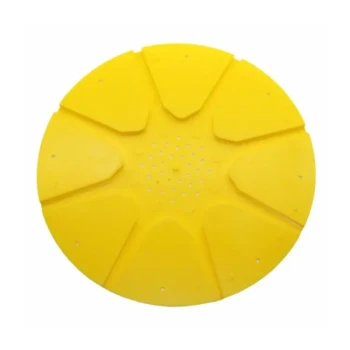
- Efficient Hive Clearing: HONESTBEE 8-Way Plastic Bee Escape
- Precision Stainless Steel Frame Cleaner for Hive Grooves and Corners
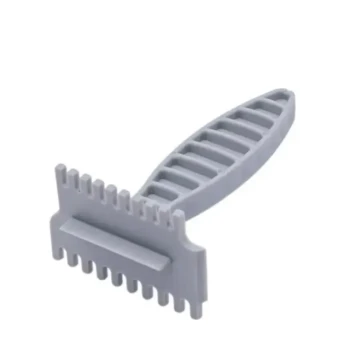
- Lightweight Durable Plastic Queen Excluder Scraper for Beekeeping
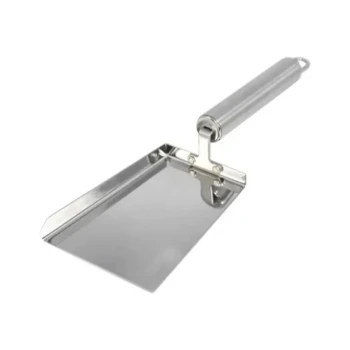
- Heavy-Duty Ergonomic Stainless Steel Pollen Shovel
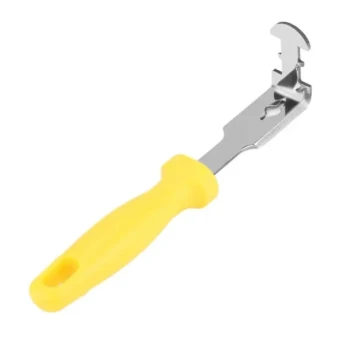
- Heavy Duty Stainless Steel Frame Cleaner with Plastic Handle
People Also Ask
- How is a bee escape, or clearer board, used to harvest honey from a Langstroth hive? The Stress-Free Harvesting Guide
- What mechanical methods and tools are used to clear bees from honey supers? Efficient Tools for a Smooth Harvest
- What is the result of using a bee escape board for 24 hours? Achieve a Near Bee-Free Honey Super
- What are the different types of bee escape boards? Choose the Right One for a Stress-Free Honey Harvest
- How do bee escape boards and fume boards assist in honey harvesting? Optimize Your Harvest with Low-Stress Tools