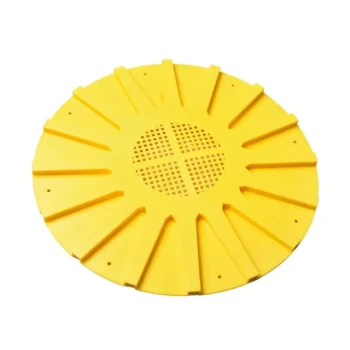
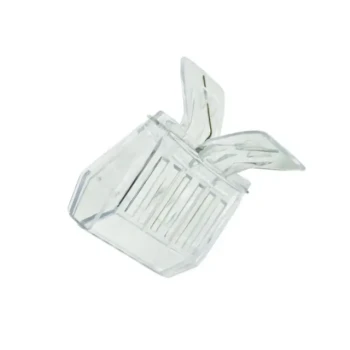
Specialized pollen traps are the fundamental hardware required to harvest commercial-grade bee pollen. Installed at the hive entrance, these devices utilize precise physical barriers to gently strip pollen pellets from returning foragers without injuring the bees. This mechanism ensures the collection of high-purity pollen by immediately isolating the harvest from potential contaminants and preventing external impurities from degrading the product.
Core Insight: The true value of a specialized trap is that it automates the physical filtration of pollen at the source. It acts as a protective firewall, securing the product's cleanliness and bio-activity before it ever enters the processing chain.
How Design Drives Purity
Precision Mechanical Interception
The trap relies on a grid with specifically calibrated apertures. As bees navigate these openings, the geometry forces the pollen pellets on their hind legs to dislodge.
This process removes the need for manual handling. By relying on "geometry over force," the system collects the raw material without crushing it or mixing it with bee parts.
Immediate Isolation
Once the pollen is stripped, it falls directly into a collection tray located beneath the entry point. This creates an immediate physical separation between the product and the active hive traffic.
Isolating the pollen instantly prevents it from being tracked through the hive. This drastically reduces the introduction of hive debris, wax particles, or propolis into the final harvest.
Environmental Shielding
High-purity pollen is extremely sensitive to the environment. Specialized traps are designed to enclose the collected pellets, shielding them from wind-blown dust and external pollutants.
Preserving Biological Value
Controlling Moisture and Microbes
Fresh pollen is biologically active and degrades rapidly. Specialized traps often feature dry collection trays designed to minimize the impact of environmental humidity.
By reducing exposure to moisture, the trap inhibits microbial growth. This preservation of biochemical activity is essential for maintaining the pollen’s nutritional profile and shelf life.
Enabling Operational Scalability
For commercial beekeepers, these traps transform harvesting into an automated workflow. They allow for the simultaneous collection from hundreds of hives with consistent quality control.
Analytical Accuracy
For research purposes, purity is synonymous with data accuracy. These traps provide a clean sample for analyzing plant species and assessing the nutritional intake of the colony within specific timeframes.
Understanding the Trade-offs
While specialized traps are essential for purity, they introduce specific management challenges.
Entrance Obstruction The physical structure of the trap restricts the hive entrance. While necessary for stripping pollen, this can temporarily slow down the traffic of foraging bees, potentially affecting nectar collection rates.
Nutritional Balance The most common pitfall is over-harvesting. Because these traps are highly efficient, leaving them on too long can deprive the colony of its essential protein source, hindering brood development.
Maximizing Your Harvest Strategy
To get the most out of specialized pollen traps, align your usage with your specific operational goals:
- If your primary focus is Commercial Production: Prioritize traps with large capacity, dry collection trays to maximize shelf-life and reduce processing time.
- If your primary focus is Colony Health Analysis: Use traps intermittently during specific bloom periods to obtain a pure, representative sample of the local floral resources.
Success in pollen harvesting is defined by the ability to capture the product at the moment of arrival, ensuring it remains as pure in the tray as it was in the field.
Summary Table:
| Feature | Benefit for Purity & Quality |
|---|---|
| Calibrated Apertures | Strips pollen without crushing pellets or injuring bees. |
| Immediate Isolation | Separates pollen from hive traffic, wax, and propolis. |
| Environmental Shielding | Protects the harvest from wind-blown dust and moisture. |
| Automated Collection | Ensures consistent quality across large-scale apiaries. |
| Microbial Control | Minimizes humidity to preserve bio-activity and shelf life. |
Elevate Your Pollen Production with HONESTBEE
As a leader in commercial beekeeping solutions, HONESTBEE empowers apiaries and distributors with the specialized machinery and tools needed to maximize profit and product purity.
Whether you are scaling up with our high-efficiency pollen traps, streamlining operations with honey-filling machines, or sourcing high-quality consumables, we provide the end-to-end equipment your business demands. From hive-making hardware to honey-themed merchandise, our wholesale portfolio is designed for the modern bee industry.
Ready to optimize your harvest and enhance your product value?
Contact our expert team today to discuss how we can support your commercial growth.
References
- Hasan Vural, Süleyman Karaman. Socio-economic analysis of beekeeping and the effects of beehive types on honey production. DOI: 10.5897/ajar09.655
This article is also based on technical information from HonestBee Knowledge Base .
Related Products
- Removable Plastic Pollen Trap With Ventilated Tray for Bees Pollen Collector
- 30 cm Plastic Entrance Hole Bee Pollen Trap and Collector
- Plastic Bee Pollen Trap Strips Comb Catcher Collector
- High-Efficiency Diamond Maze Bee Escape for Clearing Supers
- Heavy-Duty Ergonomic Grip Galvanized Pollen Shovel
People Also Ask
- What are the design principles and advantages of pollen traps in the collection of bee pollen? Boost Your Apiary Yield
- What is the function of professional pollen traps in evaluating honey plants? Quantifying Pollination and Crop Potential
- What functions do pollen traps serve for bee bread production? Optimize Your Raw Material Collection
- What maintenance and pest prevention measures should be taken for pollen traps? Protect Your Hive and Harvest Quality
- How does the use of pollen traps in honeybee hives enhance crop fertilization? Boost Your Yield Through Induced Activity