The most efficient initial step for cleaning wax cappings involves allowing the honeybees themselves to remove the bulk of the sticky residue. By placing the extracted cappings in an area accessible to the colony, the bees will consume the remaining honey, leaving you with dry, clean wax that is much easier to process.
Core Takeaway While mechanical straining can recover honey for human use, the definitive step for cleaning the wax itself is biological. allowing bees to reclaim the residual honey minimizes stickiness and significantly simplifies the subsequent rinsing and rendering stages.
The Biological Cleaning Method
Leveraging Colony Efficiency
According to the primary recommended approach, you should place your extracted cappings in a location where your bees can access them.
The bees will systematically clean off the excess honey clinging to the wax flakes.
Reducing Processing Friction
This step is critical because it alters the physical state of the cappings.
Fresh cappings are inherently sticky and difficult to handle. Once the bees have finished their work, the wax becomes dry and brittle, making the downstream tasks of rinsing and rendering much faster and less messy.
Mechanical Separation: The Pre-Step
While the bees are excellent at cleaning wax, you may wish to capture the honey first. Supplementary protocols suggest a mechanical "drain and strain" phase before or instead of bee cleaning.
The Gravity Draining Technique
To salvage honey for consumption rather than bee feed, use gravity.
Place wet cappings into a mesh bag or a strainer suspended over a clean bucket.
Alternatively, use a double bucket system: an inner bucket with drilled holes holding the wax, sitting inside an outer bucket to catch the flow.
Optimal Conditions for Draining
This process is not instant. It typically requires the setup to sit overnight.
To ensure the honey flows adequately, keep the buckets in a warm location. Crucially, if you are trying to harvest this honey for yourself, this area must be bee-tight to prevent premature consumption by the colony.
Understanding the Trade-offs
Resource Allocation
You must decide who gets the residual honey: you or the bees.
Bee Cleaning prioritizes the quality of the wax and reduces your labor, but sacrifices the honey residue to the colony.
Straining prioritizes honey harvest, maximizing yield for bottling, but leaves the wax stickier and harder to clean manually.
Processing Speed
Biological cleaning is active and relatively fast depending on the number of bees.
Mechanical draining is a passive, slow process that relies on gravity and warmth, often taking 24 hours or more to complete.
Making the Right Choice for Your Goal
The correct initial step depends on whether you value the honey residue or the cleanliness of the wax more.
- If your primary focus is Wax Quality: Place the cappings out for the bees immediately to achieve dry, non-sticky flakes ready for rendering.
- If your primary focus is Honey Yield: Use a mesh bag or double-bucket system in a warm, enclosed room to drain every drop of consumable honey before addressing the wax.
Ultimately, allowing the bees to clean the cappings is the superior technical choice for preparing high-quality beeswax for candles or cosmetics.
Summary Table:
| Feature | Biological Bee Cleaning | Mechanical Draining |
|---|---|---|
| Primary Goal | Clean, dry wax for rendering | Maximum honey recovery for bottling |
| Labor Intensity | Low (Bees do the work) | Moderate (Setup and straining) |
| Processing Time | Fast (Active consumption) | Slow (Passive 24h+ gravity drain) |
| Final Wax State | Dry and brittle | Sticky and residue-heavy |
| Best Used For | High-quality candles & cosmetics | Maximizing sellable honey yield |
Streamline Your Apiary Operations with HONESTBEE
Efficiently processing wax and honey is the backbone of a profitable apiary. Whether you are a commercial apiary looking for high-capacity honey-filling machines or a distributor seeking a reliable wholesale partner for premium beekeeping tools and industry consumables, HONESTBEE is here to support your growth.
Our extensive portfolio includes everything from specialized hive-making machinery to essential hardware and honey-themed cultural merchandise. We provide the tools you need to turn raw wax cappings into high-value products with ease.
Ready to upgrade your equipment? Contact us today to discuss our wholesale offerings and discover how our comprehensive beekeeping solutions can optimize your production!
Related Products
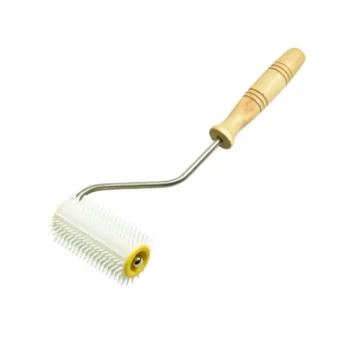
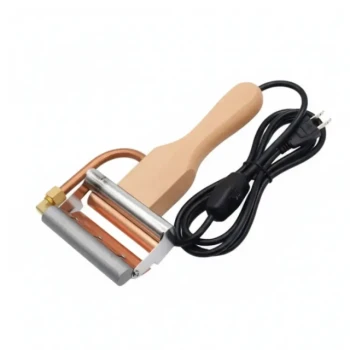
- Professional Honey Uncapping Roller for Efficient Harvesting
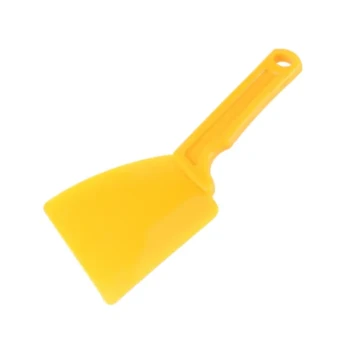
- Professional Honey Scraper for Efficient Apiary Maintenance
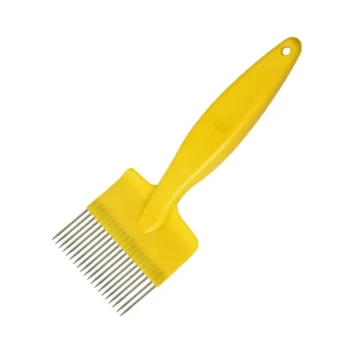
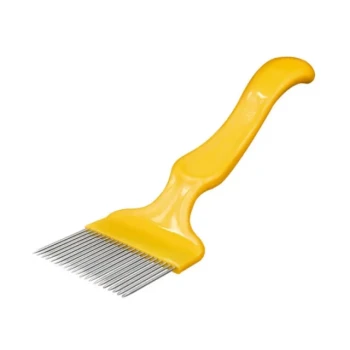
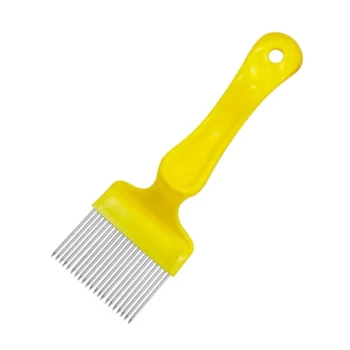
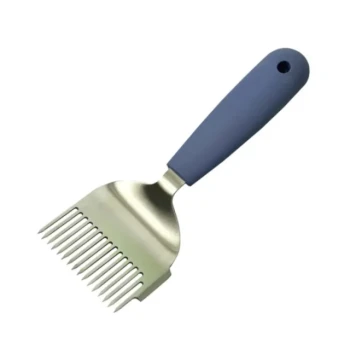
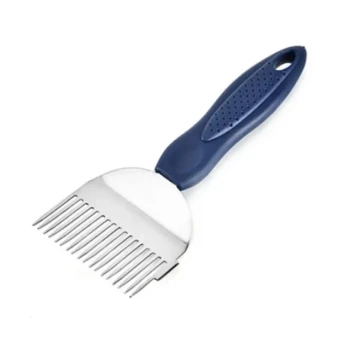
- Professional Durable Plastic Handle Honey Uncapping Fork
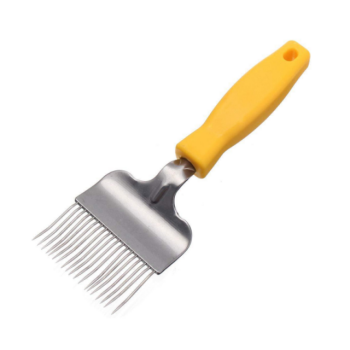
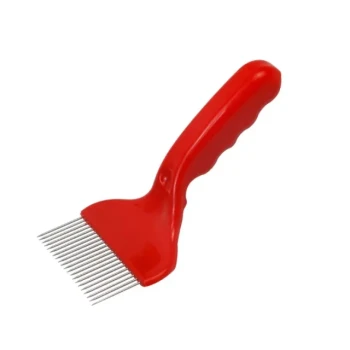
- Professional Bent Tine Honey Uncapping Fork with Ergonomic Grip
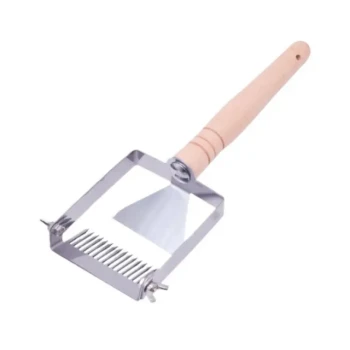
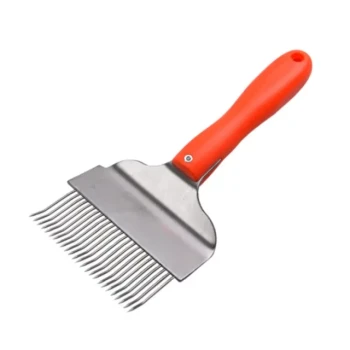
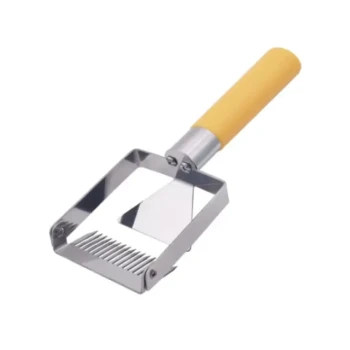
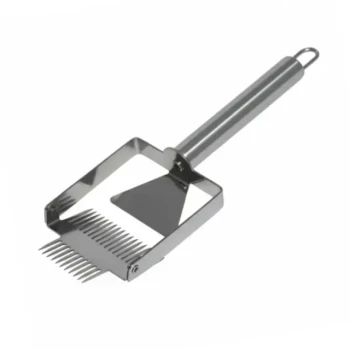
- Adjustable Stainless Steel Honey Uncapping Fork with Scraper for Beekeeping
People Also Ask
- What other tools are available for honey uncapping besides knives? Find the Right Tool for Your Apiary's Scale
- What are the methods of uncapping honey? A Guide to Tools for Efficient Harvests
- What tools are available for uncapping honey? A Guide to Choosing the Right Tool for Your Operation
- What tools can be used to uncap honey cells? Expert Guide to Efficient Honey Extraction Equipment
- What are the essential tools for uncapping honey frames? Choose the Right Tool for Your Apiary