The logic of using hanging bait hives rests on biomimicry and strategic isolation. This management method involves suspending hives high in the forest canopy to simulate the natural nesting preferences of wild honey bees. By replicating these conditions, beekeepers can attract natural swarms for colonization, minimize human intervention, and utilize the vertical landscape to protect colonies from ground-based threats.
Core Takeaway Hanging bait hives prioritize ecological resilience over intensive manipulation. This approach leverages the forest's natural carrying capacity and geographic isolation to preserve genetic diversity and limit pathogen spread, while simultaneously acting as a physical barrier against predators.
Simulating Natural Nesting Behaviors
Mimicking Wild Habitats
The primary logic is to replicate the natural nesting environment of wild honey bees. Traditional cylindrical hives, often made of wood or clay, are suspended in dense forest areas to mimic hollow tree trunks.
This familiar structure provides excellent thermal insulation and aligns with the bees' instinctive search for secure, elevated cavities.
Encouraging Natural Colonization
Unlike industrial beekeeping, which often relies on manual colony splitting, this method depends on natural swarm colonization.
By positioning bait hives in the upper canopy, beekeepers attract passing swarms seeking a permanent home. This reduces the need for intensive human management and allows the bees to follow their natural reproductive cycles.
Preserving Genetic Diversity
Relying on wild swarms rather than artificially propagated queens helps maintain genetic diversity.
Because the colonies are populated by local wild stocks, they retain traits adapted to the specific local environment, ensuring greater long-term resilience of the population.
Strategic Spatial Defense
Physical Isolation from Predators
Hanging hives utilizes vertical space as a primary defense mechanism. Elevating the hive creates a front-line barrier against ground-based predators such as honey badgers, lizards, and ants.
This is particularly logical in remote regions where chemical traps or mechanical isolation equipment are unavailable or cost-prohibitive. The height alone prevents large predators from reaching the colony.
Disease Management through Spacing
The spatial arrangement of hanging hives utilizes geographic isolation to control disease.
By spreading hives out within the forest's natural carrying capacity, beekeepers limit the density of colonies. This spacing significantly reduces the rapid transmission of pathogens between hives, acting as a natural quarantine system that is often lost in crowded, ground-level apiaries.
Understanding the Trade-offs
Accessibility Challenges
While elevation provides safety, it introduces logistical difficulties for the beekeeper. Inspecting, maintaining, and harvesting from hives suspended high in the canopy requires more physical effort and skill than managing ground-level boxes.
Lower Intervention Control
This system relies on the bees' natural behaviors, meaning the beekeeper has less control over colony growth and production. You cannot easily force rapid expansion or manually split hives to increase numbers quickly, making this method less suitable for maximizing short-term honey yields compared to industrial methods.
Making the Right Choice for Your Goal
The decision to use hanging bait hives depends on your specific objectives within the forest ecosystem.
- If your primary focus is Ecological Resilience: Adopt this method to maintain high genetic diversity and naturally limit the spread of diseases between colonies.
- If your primary focus is Predator Management: Use elevated positioning as a cost-effective, passive defense system against honey badgers and other ground-dwelling threats.
- If your primary focus is Low-Cost Operations: Implement this strategy to utilize abundant deep-forest nectar resources with minimal equipment costs and reduced maintenance requirements.
Ultimately, hanging bait hives represent a shift from managing bees to managing the environment in which they thrive.
Summary Table:
| Management Logic | Primary Objective | Key Benefit |
|---|---|---|
| Biomimicry | Mimic hollow tree trunks | Encourages natural swarm colonization |
| Vertical Isolation | Suspend hives in canopy | Physical barrier against ground-based predators |
| Geographic Spacing | Limit colony density | Natural quarantine to reduce pathogen spread |
| Genetic Preservation | Utilize wild local stocks | Enhanced environmental resilience and adaptation |
Scale Your Beekeeping Operations with HONESTBEE
Are you looking to enhance your apiary’s resilience or expand your distribution network? At HONESTBEE, we specialize in supporting commercial apiaries and distributors with high-performance beekeeping solutions. From specialized hive-making and honey-filling machinery to a full spectrum of beekeeping tools and industry consumables, we provide the hardware you need to manage your colonies efficiently.
Whether you are implementing traditional forest techniques or modern industrial systems, HONESTBEE delivers the quality and wholesale value required for success in the competitive honey industry.
Ready to elevate your honey production? Contact us today to explore our full product range!
References
- Haftom Gebremedhn, Dirk C. de Graaf. Living in harmony with nature: the key to resilience of honeybees (Apis mellifera) in Africa. DOI: 10.1007/s13592-025-01193-w
This article is also based on technical information from HonestBee Knowledge Base .
Related Products
- Heavy-Duty Stainless Steel Clip-On Frame Perch
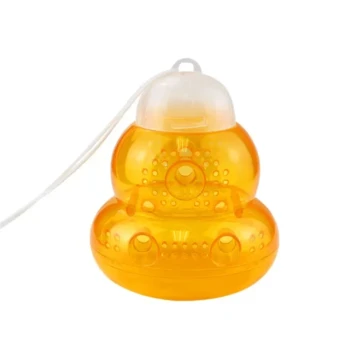
- Gourd Shaped Hanging Wasp Trap Professional Wasp Catcher
- Compact Multi-Funnel Hanging Wasp Trap
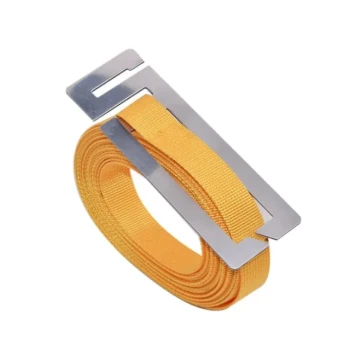
- Heavy-Duty Nylon Beehive Hive Strap with Stainless Steel Cinch Buckle
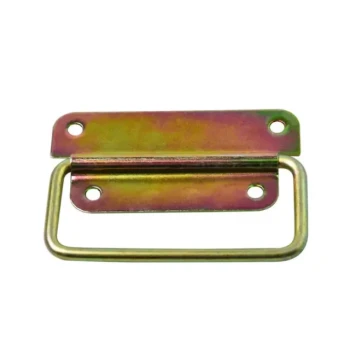
- Professional Grade Foldable Beehive Handles
People Also Ask
- How many frames can the beehive frame perch hold? Organize Your Hive Inspections with Ease
- What is the purpose of the frame perch? A Game-Changer for Efficient Hive Inspections
- What is the purpose of the beehive frame perch? Improve Hive Inspection Safety & Efficiency
- What is the function of a beehive frame perch? Essential Tool for Efficient Inspections and Queen Safety
- What are the features and purpose of a beehive frame perch? Enhance Hive Inspections with the Right Tools