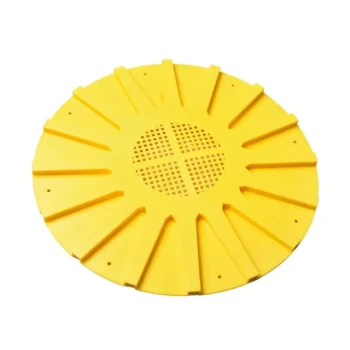
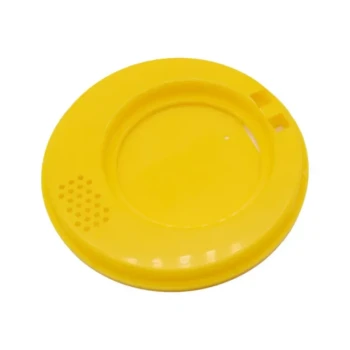
The mechanical function of the grid mesh in a honey bee pollen trap is to apply precise physical pressure to foraging bees as they return to the hive. Typically made of stainless steel or plastic, the mesh features specific pore sizes that force the bee to squeeze through, effectively dislodging pollen pellets from the corbicula (pollen baskets) on their hind legs and causing them to fall into a collection tray.
Core Takeaway The grid mesh acts as a non-invasive physical stripper, separating the pollen load from the bee without harming the insect. This mechanism serves two distinct research purposes: acquiring fresh pollen samples for pathogen analysis or restricting the colony's natural protein intake to enforce specific experimental diets.
The Mechanics of Pollen Separation
Positioning and Pore Size
The trap is installed directly at the hive entrance, forcing all returning foragers to navigate the grid.
The core design feature is the specific pore size of the mesh. It is calibrated to be just large enough for the bee to pass through, but small enough to create friction against the bee's legs.
The Stripping Action
As the bee pushes through the grid, the mesh exerts physical pressure against the hind legs.
This pressure targets the pollen baskets (corbicula), mechanically stripping the pellets off the bee.
Once dislodged, gravity takes over, and the pellets fall into a secured collection tray beneath the entrance, ensuring high-purity samples.
Applications in Research and Control
Studying Pathogen Transmission
The primary mechanical function facilitates the efficient collection of fresh pollen samples.
Researchers use these samples to investigate the risks of interspecies virus transmission. Because the process is non-invasive, it allows for continuous monitoring of the pollen coming into the hive without sacrificing the bees.
Controlling Nutritional Intake
The grid also functions as a physical barrier to natural resources.
By stripping the pollen, the mesh effectively limits the colony's access to natural protein. This forces the colony—specifically the nurse bees—to consume experimental diets, such as specialized pollen patties.
Creating Control Groups
The mechanical collection method provides a source of local, natural protein.
This "wild" pollen is often used to create control group diets. This allows researchers to strictly compare natural pollen against alternative protein sources, such as Azolla pinnata, in larval development studies.
Understanding the Trade-offs
Resource Depletion
While the mesh is efficient for collection, it deliberately deprives the colony of its natural food source.
If the goal is purely collection, this deprivation must be managed to prevent colony collapse. If the goal is nutritional study, this deprivation is the intended variable to ensure bees eat the provided experimental diet.
Specific Impact on Nurse Bees
The mechanical barrier disproportionately affects nurse bees, who rely on incoming pollen to produce jelly for larvae.
When using these traps for nutritional control, it is critical to ensure the experimental diet (pollen patties) is sufficient to sustain larval development, as the natural supply is mechanically blocked.
Making the Right Choice for Your Goal
To utilize grid meshes effectively, align the mechanical function with your specific research objective:
- If your primary focus is Pathogen Analysis: Use the trap to collect fresh samples to assess virus transmission risks without harming the colony's workforce.
- If your primary focus is Nutritional Experiments: Use the trap as a barrier to force the consumption of experimental diets for single-variable research on larval development.
- If your primary focus is Comparative Study: Use the trap to harvest natural pollen to create a baseline control diet for comparing against alternative proteins.
The grid mesh is a precision tool that converts a simple mechanical obstruction into a powerful control for biological data.
Summary Table:
| Feature | Mechanical Function | Research Application |
|---|---|---|
| Pore Size | Calibrated friction against hind legs | Precise stripping of pollen pellets |
| Grid Mesh | Non-invasive physical barrier | Dislodges pollen from the corbicula |
| Collection Tray | Gravity-fed storage | Ensures high-purity, fresh samples |
| Entrance Barrier | Restricts protein intake | Forces consumption of experimental diets |
Scale Your Apiary Performance with HONESTBEE
At HONESTBEE, we understand the precision required for both commercial honey production and advanced apiculture research. We supply a comprehensive range of professional-grade beekeeping tools, specialized hive-making machinery, and honey-filling equipment designed to streamline your operations.
Whether you are a distributor looking for reliable wholesale supplies or a commercial apiary needing high-efficiency pollen traps and industry consumables, we provide the hardware you need to succeed. Our portfolio also extends to honey-themed cultural merchandise to help you build your brand.
Ready to upgrade your equipment? Contact us today to discuss our wholesale offerings and discover how our expertise can benefit your business.
References
- Tuğçe Olgun, Judy Wu‐Smart. Comparative analysis of viruses in four bee species collected from agricultural, urban, and natural landscapes. DOI: 10.1371/journal.pone.0234431
This article is also based on technical information from HonestBee Knowledge Base .
Related Products
- 30 cm Plastic Entrance Hole Bee Pollen Trap and Collector
- Plastic Bee Pollen Trap Strips Comb Catcher Collector
- High-Efficiency Diamond Maze Bee Escape for Clearing Supers
- Removable Plastic Pollen Trap With Ventilated Tray for Bees Pollen Collector
- Nylon Honey Strainer Square Filter Cloth for Honey Filters
People Also Ask
- What are the design principles and advantages of pollen traps in the collection of bee pollen? Boost Your Apiary Yield
- Why is frequent harvesting of bee pollen from traps necessary for quality control? Ensure Freshness and Prevent Mold.
- How often should bee pollen be harvested from a trap and why? Master Freshness and Prevent Spoilage
- What function do pollen traps serve in quantitative collection? Boost Your Apiary's Data & Production Efficiency
- What is the primary function of bee pollen traps? Optimize Your Pollen Harvest with Advanced Extraction Efficiency