The primary mechanism is acoustic cavitation. An industrial-grade ultrasonic probe transmits high-frequency mechanical vibrations directly into the solvent mixture. This creates microscopic bubbles that undergo rapid expansion and violent collapse, generating intense physical forces that disrupt the propolis structure without relying on external heat.
Core Takeaway: The ultrasonic probe replaces passive soaking with active mechanical disruption. By generating high-velocity micro-jets and shock waves via cavitation, it physically shatters the complex resinous and cellular barriers of propolis, allowing solvents to penetrate deeper and extract bioactive compounds significantly faster.
The Physics of the Process
Generation of Acoustic Cavitation
The ultrasonic probe emits high-frequency mechanical vibrations into the liquid medium (typically an ethanol-based solvent). These vibrations create rapid cycles of high and low pressure within the fluid.
During the low-pressure cycle, microscopic vacuum bubbles form. During the high-pressure cycle, these bubbles grow until they can no longer sustain their size and collapse violently.
The Impact of Bubble Collapse
When these cavitation bubbles collapse near solid propolis particles, they function as microscopic implosions.
This event generates extreme local pressure and shock waves. It is this concentrated mechanical energy, rather than general agitation, that drives the extraction process.
Disrupting the Propolis Structure
Breaking Down Physical Barriers
Propolis is composed of complex colloidal structures and distinct cell walls that naturally resist solvent penetration.
The shock waves and micro-jets created by cavitation physically bombard these particles. This mechanical impact effectively breaks down cell walls and strips away the protective waxy layers often found in raw propolis.
Enhancing Solvent Permeability
Once the physical structure is fractured, the solvent can penetrate the material much more easily.
This leads to a significantly higher mass transfer rate. The solvent accesses the internal matrix of the propolis, dissolving target compounds like flavonoids and phenolic acids and moving them into the bulk liquid.
Operational Considerations and Trade-offs
Managing Heat and Bioactivity
While ultrasonic extraction generates internal energy, it allows the overall process to occur at lower ambient temperatures (e.g., 25°C to 40°C).
This is a critical advantage for propolis, which contains heat-sensitive ingredients. However, the operator must ensure the process remains within these "mild conditions" to prevent the thermal degradation of the very antioxidants being extracted.
Efficiency vs. Complexity
The ultrasonic probe dramatically shortens the extraction cycle compared to traditional maceration or simple dissolution.
However, it introduces a need for specialized equipment that can handle high-frequency vibrations. The trade-off is an investment in technology to achieve higher yields and faster processing times while filtering out insoluble impurities like beeswax.
Making the Right Choice for Your Goal
To maximize the utility of an industrial ultrasonic probe in your extraction line, consider your specific targets:
- If your primary focus is Process Speed: Leverage the cavitation effect to drastically reduce extraction time by accelerating the diffusion of diterpenoids and organic acids.
- If your primary focus is Product Potency: Utilize the probe to extract at lower temperatures (around 25°C), ensuring the preservation of heat-sensitive flavonoids and total phenols.
By harnessing controlled cavitation, you transform a slow, passive dissolution process into a rapid, high-yield mechanical separation.
Summary Table:
| Mechanism Component | Physical Action | Resulting Benefit |
|---|---|---|
| Acoustic Cavitation | Rapid formation & collapse of vacuum bubbles | High-velocity micro-jets and shock waves |
| Physical Disruption | Mechanical bombardment of solid particles | Shatters resinous barriers and cell walls |
| Mass Transfer | Enhanced solvent penetration | Faster extraction of flavonoids & phenolic acids |
| Thermal Control | Low-temperature processing (25°C-40°C) | Preserves heat-sensitive bioactive compounds |
Elevate Your Beekeeping Operation with HONESTBEE
Are you looking to scale your propolis processing or modernize your commercial apiary? HONESTBEE specializes in serving commercial apiaries and distributors by providing a comprehensive wholesale range of industry-leading equipment.
From high-efficiency industrial ultrasonic extraction machinery to specialized honey-filling and hive-making machines, we supply the tools you need to maximize your yield and product potency. Beyond heavy machinery, we offer a full spectrum of beekeeping tools, consumables, and honey-themed cultural merchandise to support every facet of your business.
Ready to upgrade your production line?
Contact HONESTBEE Today to discuss our wholesale solutions and discover how our expert hardware can streamline your extraction process and increase your profitability.
References
- Mircea Oroian, Florin Ursachi. Comparative evaluation of maceration, microwave and ultrasonic-assisted extraction of phenolic compounds from propolis. DOI: 10.1007/s13197-019-04031-x
This article is also based on technical information from HonestBee Knowledge Base .
Related Products
- 8 Frame and 10 Frame Propolis Trap Collector Screen for Propolis Collection
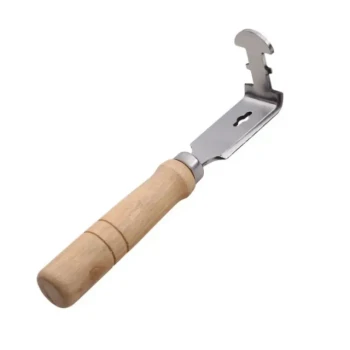
- Professional Stainless Steel Frame Cleaner with Ergonomic Wood Handle
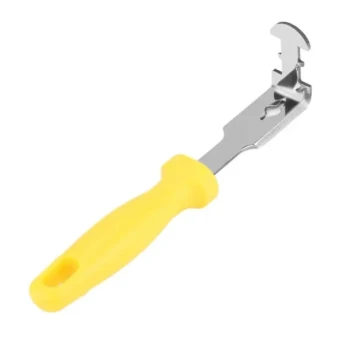
- Heavy Duty Stainless Steel Frame Cleaner with Plastic Handle
People Also Ask
- Why is a specific wooden frame required when installing a propolis screen? Optimize Your Propolis Harvest Efficiency
- What are the advantages of using propolis collector screens? Elevate Your Harvest to Pharmaceutical Purity
- How do propolis collection screens work? Discover material specs for commercial harvesting equipment
- How does the mesh size of a propolis collection screen influence the efficiency of propolis harvesting? Optimize Yields!
- How do commercial-grade plastic screens compare to custom fine-mesh screens? Maximize Your Propolis Yield & ROI