For pure beeswax candles, precision is mandatory. The ideal pouring temperature lies strictly between 160°F and 165°F. Adhering to this specific window is the only way to ensure the wax sets correctly and produces a professional surface.
The optimal pouring range for beeswax is 160°F–165°F. Staying within these limits is essential for proper setting and achieving a high-quality, defect-free finish.
The Mechanics of a Proper Set
Why the 160°F–165°F Window Exists
Beeswax requires a specific thermal environment to transition from liquid to solid effectively. Pouring within the 160°F to 165°F range ensures the wax is fluid enough to fill the mold completely but cool enough to begin settling immediately.
Ensuring a High-Quality Finish
The primary goal of temperature control is aesthetic consistency. Pouring at this specific temperature helps create the smooth, uniform surface characteristic of premium candles.
It minimizes the risk of surface disruptions that occur when wax cools at an unpredictable rate.
Structural Integrity
Beyond looks, this temperature range allows the wax to set properly. A proper set means the internal structure of the candle hardens uniformly.
This uniformity is critical for the candle's longevity and performance during burning.
Understanding the Risks of Deviation
The Dangers of Overheating
If you pour beeswax significantly above 165°F, you alter the cooling dynamics.
Hotter wax takes longer to cool, which can lead to aggressive shrinking. This often results in sinkholes or cracks down the center of the candle as the wax contracts.
The Risks of Pouring Too Cool
Conversely, pouring below 160°F introduces flow issues.
Cooler wax thickens rapidly, trapping air bubbles or creating visible "jump lines" on the sides of the container. This compromises the high-quality finish that the ideal temperature is meant to protect.
Ensuring Consistency in Your Process
To achieve repeatable results, you must rely on accurate measurement rather than visual estimation.
- If your primary focus is aesthetic perfection: Target the 160°F–165°F range strictly to ensure a smooth top and sides.
- If your primary focus is structural durability: Maintain this temperature to ensure the wax sets properly throughout the entire candle column.
Mastering your pouring temperature is the single most effective step toward professional-grade beeswax candles.
Summary Table:
| Aspect | Recommended Value | Impact on Quality |
|---|---|---|
| Ideal Pouring Temp | 160°F – 165°F | Ensures smooth surfaces & structural integrity |
| Overheating (>165°F) | High Risk | Causes sinkholes, cracks, and aggressive shrinking |
| Underheating (<160°F) | High Risk | Leads to air bubbles, jump lines, and poor flow |
| Beeswax Property | Natural / Pure | Requires precise thermal control for uniform hardening |
Elevate Your Beekeeping Business with HONESTBEE
At HONESTBEE, we understand that precision in candle-making is just one part of a successful apiary operation. Whether you are a commercial apiary or a wholesale distributor, we provide the industrial-grade tools and machinery needed to scale your production.
From high-efficiency honey-filling machines and specialized hive-making hardware to a full spectrum of beekeeping consumables and honey-themed cultural merchandise, we offer the comprehensive inventory you need to grow your brand.
Ready to upgrade your equipment and maximize your yields?
Contact HONESTBEE Today to discuss our wholesale offerings and discover how our expertise can drive your business forward.
Related Products
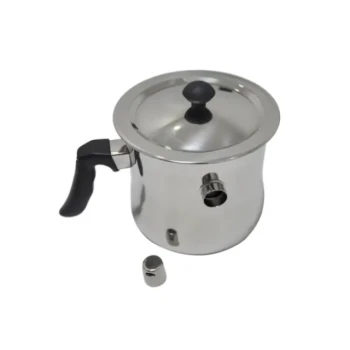
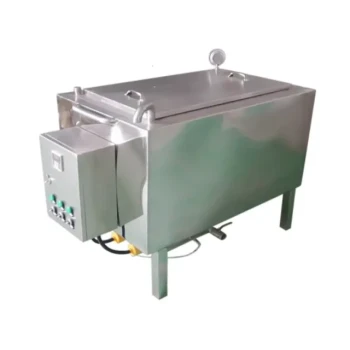
- Beeswax Melter for Candle Making Honey Bee Wax Melter
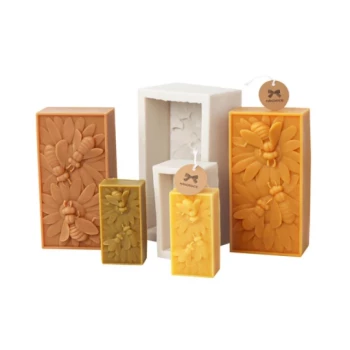
- 3D Square Honeycomb Pillar Silicone Candle Molds for Making Beeswax Candles
- 3D Beehive Silicone Skep Wax Candle Molds for Candles
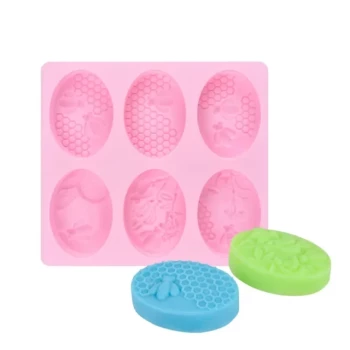
- Bee Floral Relief Silicone Mold for Artisan Soap Candle Making
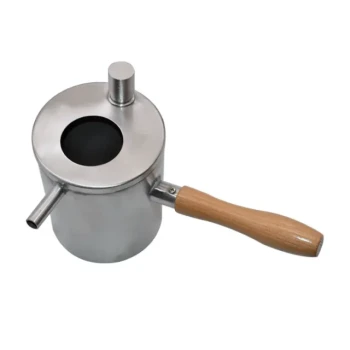
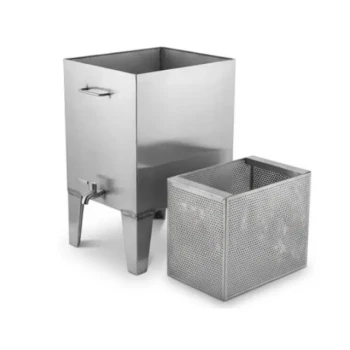
- Professional Stainless Steel Wax Melter for Beekeeping and Crafts
People Also Ask
- What is the best way to melt beeswax? Safely Preserve Quality with Indirect Heat
- What is the best way to melt beeswax? Use a Solar Wax Melter for Simple, Pure Results
- What types of beeswax melters are available for beekeepers? Choose the Right One for Your Operation
- What safety precautions should be taken when melting beeswax? A Guide to Flammable Wax Handling
- What types of beeswax melters are available for different scales of beekeeping? Solar vs. Electric Melters Compared