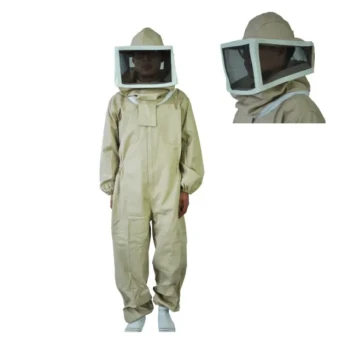
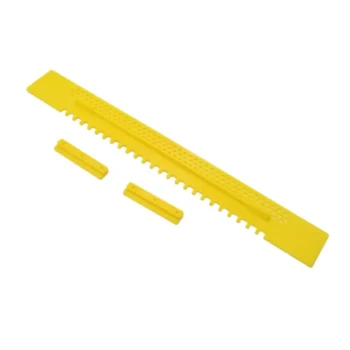
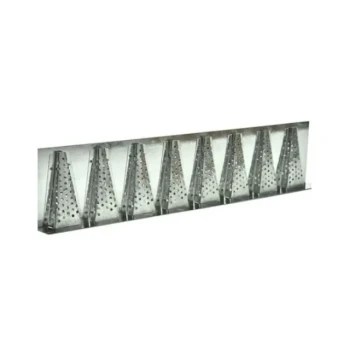
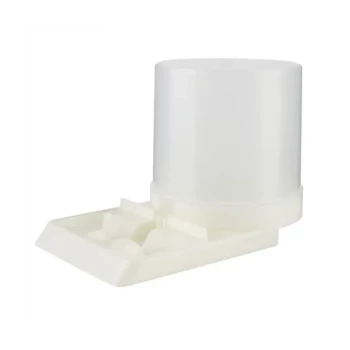
The necessity of pest control barriers in stingless beekeeping stems from the unique biological vulnerability of the species. These industrial-grade physical barriers, such as specialized ant-proof plates and protective netting, are essential to prevent colony loss from predators like ants, lizards, and predatory birds. By utilizing physical isolation rather than chemical pesticides, these devices ensure high colony survival rates and align with the technical requirements of sustainable, eco-friendly honey production.
Specialized protection devices are the foundation of professional stingless beekeeping, transforming a vulnerable biological process into a stable, scalable, and high-yield agricultural operation. By prioritizing physical barriers over chemical interventions, distributors can offer solutions that ensure long-term colony health and resource sustainability.
Protecting Biological Assets in Intensive Farming
Professional stingless beekeeping requires a shift from traditional methods to intensive, hardware-supported operations. This is particularly true for distributors looking to provide a comprehensive full-spectrum product portfolio to large-scale apiaries.
Mitigating Limited Defensive Capabilities
Stingless bees (such as Galo-Galo) are physically small and lack the primary defensive mechanism—the stinger—of traditional honeybees. This makes them highly susceptible to invasions by ants (Formicidae), mites (Varroidae), geckos, and spiders.
Industrial-grade barriers like insect-proof plates and physical shields create a definitive "moat" around the colony. These devices prevent predators from entering the hive, which is critical for maintaining the internal ecological balance and preventing colony absconding.
Safeguarding Commercial Yield and Stability
The economic viability of a stingless beekeeping operation depends on the maintenance of a large worker bee population. Constant predator pressure leads to significant worker loss, which directly correlates to a decrease in honey and propolis yields.
By integrating specialized beehive stands and protection kits, beekeepers ensure the queen and workers remain undisturbed. This stability is the key to securing consistent output for commercial export and distribution.
Enhancing Operational Resilience for Professionals
For wholesalers and B2B resellers, the value of protection devices lies in their ability to de-risk the beekeeping process. These tools allow for scaled farming in diverse environmental conditions.
Physical Isolation vs. Chemical Risks
Stingless bees are often kept in agricultural zones where nearby crops may be treated with chemical pesticides. Hive isolation devices allow beekeepers to temporarily restrict foraging during spraying periods.
This physical shielding prevents mass mortality from toxic contact, safeguarding the beekeeper's assets. Because these methods are physical rather than chemical, they maintain the organic integrity of the final honey products.
Precision Tools for Resource Management
Sustainable beekeeping requires more than just barriers; it requires precision. Professional kits now include fine tweezers and specialized inspection knives designed for delicate hive structures.
These tools, combined with environmental monitoring equipment like temperature recorders, allow for hive maintenance without damaging fragile wax structures. This level of technical support is vital for the conservation of original bee resources.
Understanding the Trade-offs
While protection devices are necessary, they are not a "set and forget" solution. Distributors must educate their clients on the specific maintenance requirements of these hardware components.
Physical barriers like ant-plates often require regular cleaning or the replenishment of non-toxic oils to remain effective. If neglected, debris can bridge the barrier, allowing pests to cross.
Furthermore, improperly sized netting can inadvertently restrict the movement of the bees themselves or trap larger beneficial insects. Professional-grade equipment must be precisely calibrated to the specific species of stingless bee being cultivated to avoid disrupting natural foraging patterns.
Making the Right Choice for Your Goal
To maximize the value of your inventory and provide the best service to your clients, consider the specific objectives of the beekeeping operation.
- If your primary focus is maximizing colony survival in predator-heavy regions: Invest in a robust selection of physical barriers, specifically industrial-grade ant-proof plates and gecko-proof shielding.
- If your primary focus is supporting large-scale, commercial honey production: Prioritize comprehensive tool kits that include both physical protection and precision inspection instruments to maintain hive health.
- If your primary focus is sustainable or organic agriculture: Focus on pesticide-free isolation devices that allow for colony safety without compromising the chemical-free status of the honey.
By providing high-quality, specialized protection hardware, distributors can empower beekeepers to move from precarious hobbyist activities to stable, industrial-scale production.
Summary Table:
| Protection Device | Primary Function | Commercial Benefit |
|---|---|---|
| Ant-proof Plates | Physical isolation from crawling pests | Prevents colony absconding & worker loss |
| Gecko/Bird Netting | Deters larger predators | Stabilizes worker population for high yield |
| Specialized Hive Stands | Structural barrier & stability | Minimizes maintenance labor & pest access |
| Precision Inspection Tools | Low-impact hive management | Preserves fragile wax & organic integrity |
Scale Your Beekeeping Business with HONESTBEE
For distributors and commercial apiaries, equipment reliability is the foundation of profit. HONESTBEE offers a comprehensive full-spectrum product portfolio designed to meet the demands of large-scale operations. From industrial-grade protection devices to specialized honey-filling machinery and hive-making equipment, we are your one-stop sourcing partner.
Why Partner with HONESTBEE?
- Reliable Supply: High-quality beekeeping tools and industry consumables for B2B resellers.
- OEM/ODM Support: Tailored solutions to enhance your brand's market position and profit margins.
- Unmatched Efficiency: Ultra-fast delivery and rapid response times to keep your supply chain moving.
- Industry Expertise: Professional guidance backed by deep technical knowledge.
Ready to elevate your inventory with premium stingless beekeeping solutions? Contact our team today to request a wholesale quote!
References
- Saullo Pereira Cavalcante, Lorena Beatriz Santos Santos. Meliponicultura: avaliação da viabilidade econômica e benefícios em pequena e média escala - perspectivas dos produtores. DOI: 10.54033/cadpedv21n13-290
This article is also based on technical information from HonestBee Knowledge Base .
Related Products
- Three-Layer Ventilated Beekeeper Suit with Structured Fencing Veil
- Metal Bee Hive Stand Bee Box Stand for Beekeeping
- Beekeeping Jacket with Hood and Veil for Beekeepers
- Beekeeper Cowboy Hat and Veil for Beekeeping
- Vented Beekeeping Jacket with Hood and Veil for Beekeepers
People Also Ask
- What material and design specifications are recommended for a high-quality beekeeper suit? Top Gear Selection Guide
- What are the characteristics of a specific ventilated beekeeper's suit? Advanced Cooling & Protection for Beekeepers
- What are the advantages of a ventilated bee suit? Stay Cool and Protected During Hive Inspections
- How do ventilated bee suits improve comfort? Beat the Heat with Superior Airflow Design
- What is the primary advantage of ventilated beekeeping clothing? Stay Cool and Focused in the Apiary