The physical protection mechanism relies on a strategy of physical isolation to temporarily restrict honeybee flight. By mechanically closing the hive entrance, you create a barrier that prevents foragers from entering the application site, effectively stopping them from contacting or collecting contaminated pollen and nectar.
Closing the entrance serves as an immediate physical barrier against exposure. Maintaining this isolation for 24 hours is critical because it ensures the bees remain inside during the initial phase of peak pesticide toxicity, significantly reducing the risk of acute poisoning.
The Mechanics of Isolation
Restricting Flight Activity
The primary mechanism at work is the restriction of movement. By closing the entrance, you enforce a temporary quarantine on the colony.
This physical blockade stops foragers from leaving the hive, preventing them from flying into treated areas while the chemicals are actively being sprayed or settling.
Preventing Resource Contamination
The danger to a hive is not just direct contact, but the retrieval of toxins.
Isolation prevents bees from harvesting resources during the application window. This stops the introduction of contaminated food resources into the hive, protecting the brood and house bees who do not leave the colony.
The Critical 24-Hour Window
Avoiding Peak Potency
Pesticides generally exhibit a spike in lethality immediately following application.
The 24-hour duration is not arbitrary; it is timed to allow this initial phase of peak toxicity to pass.
Reducing Acute Risk
By keeping the hive closed during this specific window, you bypass the period of highest danger.
This significantly reduces the probability of large-scale colony poisoning, which is most often caused by acute contact immediately after spraying.
Understanding the Limitations
Targeted vs. Total Protection
This mechanism is designed specifically to mitigate acute contact and immediate harvest risks.
It relies on the principle that toxicity levels will drop after the initial 24-hour phase. It is a protective measure against the immediate shock of application, rather than a solution for long-term environmental residue.
Strategies for Effective Protection
To maximize the safety of your colonies during pesticide application, align your actions with the specific risks involved.
- If your primary focus is preventing immediate mortality: Ensure the physical closure is completely secure to prevent any flight during the actual spraying process.
- If your primary focus is preventing colony contamination: Strictly maintain the closure for the full 24 hours to ensure foragers do not retrieve nectar while toxicity is at its peak.
By strictly adhering to the isolation period, you effectively shield the colony until the environment returns to a safer state for foraging.
Summary Table:
| Feature | Mechanism | Benefit to Bee Colony |
|---|---|---|
| Physical Isolation | Mechanical closure of the hive entrance | Prevents direct contact with active sprays |
| Foraging Restriction | Enforced quarantine of foragers | Stops the collection of contaminated pollen & nectar |
| 24-Hour Duration | Timing closure with peak potency | Bypasses the initial phase of highest acute toxicity |
| Exposure Control | Targeted resource blockade | Protects the brood and house bees from incoming toxins |
Secure Your Apiary’s Future with HONESTBEE
Protecting your colony from environmental hazards is just one part of successful beekeeping. At HONESTBEE, we empower commercial apiaries and distributors with the professional-grade tools needed to thrive.
Whether you require specialized hive-making and honey-filling machinery to scale your operations, or a steady supply of high-quality beekeeping consumables and hardware, we provide the comprehensive wholesale solutions your business demands. Our mission is to enhance your efficiency and yield through industry-leading equipment and honey-themed cultural merchandise.
Ready to elevate your beekeeping business? Contact HONESTBEE today to explore our full spectrum of wholesale machinery and tools tailored for large-scale success.
References
- Pashte Vrushali Vijaykumar, Patil Chidanand Shivshankar. Monitoring on impact of insecticides on mortality of honey bees (Apis mellifera L.) in front of beehives. DOI: 10.31018/jans.v9i2.1296
This article is also based on technical information from HonestBee Knowledge Base .
Related Products
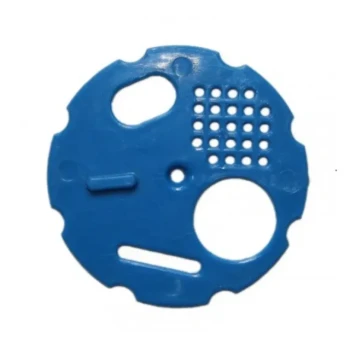
- Beehive Entrance Discs Plastic Bee Entrance Disc for Bee Hives
- Steel Round Disc Entrance Reducer for Flexzion Bee Hive Nuc Box Gate
- Professional Reversible Beehive Hive Entrance
- Beehive Entrance Reducer Guardian Metal Hive Entrance for Bees
- Multi-Functional Sliding Hive Entrance for Beekeeping
People Also Ask
- What is the best entrance for a bee hive? Maximize Colony Health & Honey Production
- What happens if you block the entrance to a bee hive? Avoid This Dangerous Mistake
- How does entrance configuration vary seasonally for beekeepers? A Guide to Year-Round Hive Health
- Why adjust beehive entrance size for humidity? Boost Honey Ripening and Varroa Control in Commercial Apiaries
- How big should a beehive entrance be? Optimize for Colony Health & Honey Production