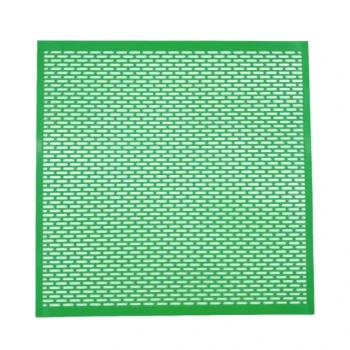
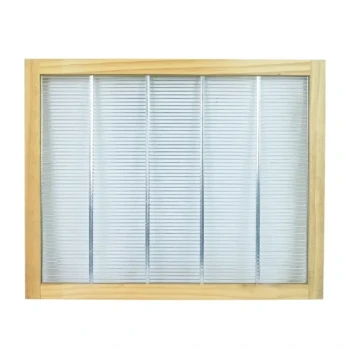
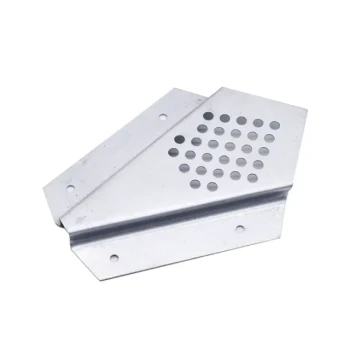
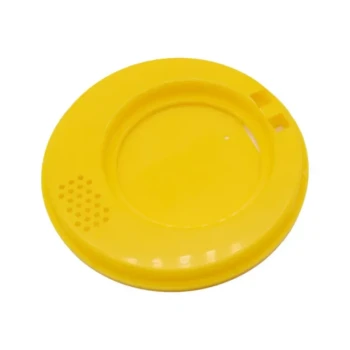
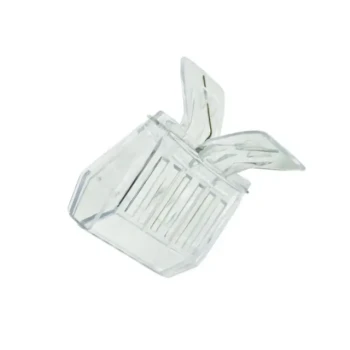
Using a queen excluder can act as a mechanical control method for Varroa mites by deliberately limiting the queen's laying area. By restricting the queen to a specific section of the hive, you reduce the total amount of brood produced, which directly limits the reproductive habitat available to the mites.
By confining the queen and capping the volume of brood, you deny Varroa mites the resources they need to reach critical infestation levels. Fewer brood cells mean fewer opportunities for mites to reproduce, potentially allowing the bees to manage the remaining population independently.
The Mechanism of Control
Limiting the Reproductive Ground
Varroa mites are obligate parasites that rely on honeybee brood (developing larvae and pupae) to reproduce. They cannot reproduce on adult bees.
By using a queen excluder to confine the queen to a smaller area—a technique often cited in research regarding small-hive beekeeping—you naturally place a ceiling on the amount of brood in the colony.
Breaking the Population Curve
With less total brood available, the exponential growth of the mite population is disrupted.
Fewer available cells mean fewer mites can successfully breed. This reduction lowers the overall parasitic load on the colony, preventing the mites from overwhelming the bees' natural defenses.
Enabling Natural Defense
When the ratio of mites to bees is kept low through brood restriction, the colony is better equipped to manage the infestation on its own.
Worker bees often engage in hygienic behavior, detecting and removing infested brood. A manageable mite population makes this hygienic behavior more effective than it would be in a colony with unrestricted brood production and a booming mite population.
Enhancing the Effect
The Role of Swarming
The mite-control effects of using an excluder are often enhanced if the colony is also permitted to swarm.
Swarming creates a natural "brood break"—a period where no new brood is being laid. Combined with the limited brood area enforced by the excluder, this interruption further crashes the mite population, as mites have nowhere to hide or breed during the break.
Improved Monitoring Capabilities
While not a direct control mechanism, the excluder makes locating and monitoring the queen significantly easier.
Because the queen is confined to specific frames, inspections are faster and less disruptive. This allows the beekeeper to more frequently assess the queen's health and the brood pattern, ensuring that the "restricted brood" strategy is not compromising colony viability.
Understanding the Trade-offs
Reduced Colony Size
The primary trade-off of this strategy is a smaller workforce.
By limiting the queen's laying space to control mites, you are also limiting the total number of worker bees. This can result in a smaller cluster size, which may impact honey production or the colony's ability to defend against other pests.
Swarming Risks
While swarming helps control mites, it also means a loss of bees for the beekeeper.
If your goal is maximum honey production, allowing a colony to swarm (or encouraging it via congestion behind an excluder) is counter-productive. This method prioritizes colony survival and natural balance over maximum yield.
Making the Right Choice for Your Goal
To decide if this method fits your apiary management style, consider your primary objectives:
- If your primary focus is Natural Varroa Management: Use the excluder to permanently restrict the brood nest size, accepting smaller colony populations in exchange for lower chemical intervention.
- If your primary focus is Honey Production: Be cautious with long-term restriction; you may prefer to use the excluder temporarily for brood breaks rather than permanent confinement.
- If your primary focus is Ease of Inspection: Utilize the excluder to speed up management tasks, but monitor the brood nest carefully to ensure the population remains viable for overwintering.
Balancing brood limitation with colony strength is the key to leveraging the queen excluder as a biological control tool.
Summary Table:
| Mechanism | Benefit to Colony | Potential Trade-off |
|---|---|---|
| Brood Restriction | Limits mite reproductive habitat | Smaller worker population |
| Population Control | Disrupts mite exponential growth | Reduced honey production |
| Enhanced Hygiene | Boosts natural bee defensive behaviors | Requires careful monitoring |
| Inspection Ease | Faster queen and brood assessments | Risk of hive congestion |
Secure Your Apiary's Health with HONESTBEE
Are you looking to implement integrated pest management or scale your commercial operations? HONESTBEE provides the professional-grade tools you need. We cater specifically to commercial apiaries and distributors, offering a comprehensive wholesale catalog that includes precision-engineered queen excluders, hive-making machinery, and honey-filling equipment.
From essential industry consumables to specialized hardware and honey-themed cultural merchandise, we deliver the quality and reliability your business demands. Let us help you optimize your colony management and maximize efficiency.
Contact HONESTBEE Today for Wholesale Solutions
Related Products
- High Performance Plastic Queen Excluder for Beekeeping and Apiary Management
- Lightweight Durable Plastic Queen Excluder Scraper for Beekeeping
- Premium Wood Framed Metal Wire Queen Bee Excluder
- Professional Plastic Queen Excluder for Modern Beekeeping
- Metal Queen Bee Excluder for Beekeeping
People Also Ask
- What are the characteristics of a plastic queen excluder? Key Benefits for Cost-Effective Beekeeping
- What are the operational and cost advantages of using plastic queen excluders over metal or wire excluders in commercial hive management? Discover how they reduce labor, prevent wing damage, and lower total costs.
- What types of queen excluders are available for beekeepers? Choose the Right Tool for Your Hive
- Why are standardized hive frames and queen excluders essential for maintaining honey purity and quality? Scale Your Purity
- Do plastic queen excluders work? A Cost-Effective Solution for Modern Apiaries