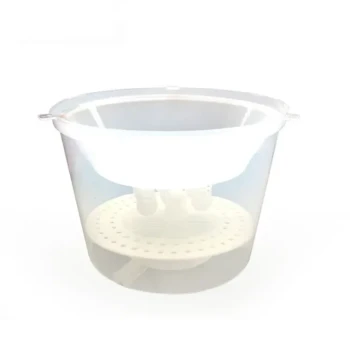
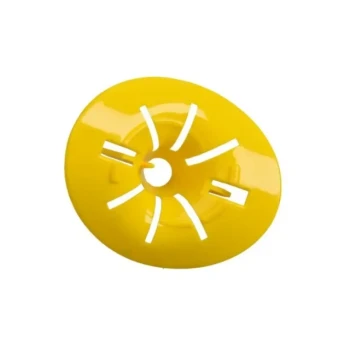
A pollen trap is a mechanical hardware device installed at the entrance of a beehive designed to strip pollen loads from foraging bees as they return to the colony. By forcing the bees to pass through a specific grid or screen, the device physically dislodges pollen pellets from the bees' hind legs, dropping them into a collection tray before the bees enter the hive environment.
The core function of a pollen trap is to enable the high-efficiency, systematic collection of uncontaminated pollen samples. This serves two distinct purposes: harvesting pollen as a commercial resource and providing researchers with physical data to analyze floral diversity and environmental botanical quality.
The Mechanics of Extraction
Physical Separation via Grids
The trap operates on a simple mechanical principle. It is installed directly at the hive entrance, creating a bottleneck that all returning foragers must navigate.
As bees squeeze through the calibrated grid, the physical friction strips the pollen pellets from the pollen baskets on their hind legs.
Preventing Internal Contamination
A critical function of the trap is to harvest pollen before it enters the main hive body.
This ensures the samples are not consumed by the colony or mixed with internal hive substances. This isolation is essential for maintaining the accuracy of botanical origin identification.
Utility in Botanical Research
Assessing Floral Diversity
According to primary research standards, pollen traps are the primary tool for analyzing the environmental botanical quality of a specific foraging area.
By collecting these physical samples, researchers can map the diversity of plant life currently supporting the colony.
Tracking Resource Utilization
Traps allow for longitudinal studies over specific timeframes.
This enables scientists to identify exactly which plant species bees prefer during different seasons. It provides a clear timeline of resource availability and colony behavior.
Understanding the Trade-offs
Balancing Capture Efficiency
While the goal is collection, removing 100% of the pollen would starve the colony.
Modern traps are often designed with specific capture efficiencies—such as a 16% capture rate—to gather sufficient data without hindering colony development.
Health and Pathogen Risks
The device introduces a physical intervention that increases high-frequency contact among bees.
Research indicates that this increased contact at the grid can potentially influence the transmission of pathogens, such as Chronic Bee Paralysis Virus. It is vital to monitor colony health when these devices are installed.
Making the Right Choice for Your Goal
When employing pollen traps, the configuration should match your specific objective to balance data collection with colony welfare.
- If your primary focus is Commercial Production: Prioritize "high-efficiency" traps designed for large-scale collection, but ensure rotation schedules to allow the colony to replenish its own stores.
- If your primary focus is Botanical Research: Focus on traps that ensure sample purity and prevent internal contamination to guarantee accurate floral diversity analysis.
- If your primary focus is Colony Health Monitoring: Use traps with lower capture rates (e.g., 16%) to sample environmental quality without stressing the colony's nutritional intake.
Effective use of a pollen trap requires viewing it not just as a harvesting tool, but as a diagnostic instrument for understanding the local ecosystem.
Summary Table:
| Feature | Commercial Function | Research Function |
|---|---|---|
| Primary Goal | High-volume harvesting for retail | Floral diversity & environmental mapping |
| Mechanism | Mechanical grid extraction | Systematic sample isolation |
| Key Benefit | Clean, uncontaminated product | Accurate botanical origin identification |
| Management | Balanced capture for colony health | Longitudinal tracking of plant species |
Elevate Your Apiary Production with HONESTBEE
Whether you are scaling a commercial apiary or conducting rigorous botanical research, HONESTBEE provides the professional-grade hardware you need. From high-efficiency pollen traps and hive-making machinery to honey-filling systems and essential consumables, we empower distributors and commercial beekeepers with a comprehensive wholesale portfolio.
Maximize your harvest efficiency and data accuracy today. Our team is ready to supply your business with the tools, machinery, and honey-themed merchandise that drive industry growth.
Contact HONESTBEE to Request a Wholesale Quote
References
- Robert Brodschneider, J.J.M. van der Steen. CSI Pollen: Diversity of Honey Bee Collected Pollen Studied by Citizen Scientists. DOI: 10.3390/insects12110987
This article is also based on technical information from HonestBee Knowledge Base .
Related Products
- Removable Plastic Pollen Trap With Ventilated Tray for Bees Pollen Collector
- 30 cm Plastic Entrance Hole Bee Pollen Trap and Collector
- Plastic Bee Pollen Trap Strips Comb Catcher Collector
- High-Efficiency Diamond Maze Bee Escape for Clearing Supers
- Professional Bucket Style Wasp and Moth Pheromone Trap
People Also Ask
- What are the design principles and advantages of pollen traps in the collection of bee pollen? Boost Your Apiary Yield
- What is the function of professional pollen traps in evaluating honey plants? Quantifying Pollination and Crop Potential
- What functions do pollen traps serve for bee bread production? Optimize Your Raw Material Collection
- What maintenance and pest prevention measures should be taken for pollen traps? Protect Your Hive and Harvest Quality
- How does the use of pollen traps in honeybee hives enhance crop fertilization? Boost Your Yield Through Induced Activity