The primary function of an industrial constant temperature incubator is to maintain a stable thermal environment that accelerates the dissolution of propolis into ethanol. By holding the mixture at a precise temperature, typically around 30°C, the incubator ensures that the breakdown of resinous components is both efficient and chemically consistent.
Precision temperature control during the extraction phase is the cornerstone of product standardization. An incubator transforms a variable raw material into a reproducible extract by eliminating environmental fluctuations that could alter dissolution rates or chemical integrity.
The Role of Stability in Extraction
Accelerating the Dissolution Process
Propolis contains complex resinous components that do not dissolve instantly in ethanol.
An industrial incubator provides a steady heat source that increases the kinetic energy of the solvent. This constant warmth, typically maintained at 30°C, significantly speeds up the rate at which the bioactive compounds release into the solution.
Ensuring Batch-to-Batch Consistency
The extraction process for Ethanolic Extract of Propolis (EEP) is not a quick procedure; it can last up to two weeks.
Over this extended period, ambient room temperatures can fluctuate wildly, leading to inconsistent extraction rates. The incubator eliminates this variable, ensuring that every batch produced meets the exact same specifications regarding concentration and chemical properties.
Reproducibility in Manufacturing
For industrial applications, the chemical profile of the final product must be identical every time.
By controlling the thermal variables during the dissolution phase, the incubator guarantees reproducibility. This allows manufacturers to confidently predict the potency and quality of the extract regardless of external weather conditions or the season in which production occurs.
Understanding the Trade-offs
Temperature vs. Integrity
While heat accelerates extraction, excessive heat can degrade the product.
It is critical to adhere to the recommended 30°C set point. Raising the temperature significantly higher might speed up the process further, but it risks damaging sensitive volatile compounds or altering the therapeutic properties of the propolis.
Equipment Distinction
It is important not to confuse the incubator with other thermal equipment used later in the process.
While an incubator is used for extraction (dissolving solids into liquid), a water bath is typically used for concentration (evaporating the liquid). The incubator focuses on stability over long durations, whereas other tools handle higher-heat evaporation tasks.
Making the Right Choice for Your Process
Optimizing your EEP preparation requires aligning your thermal controls with your production goals.
- If your primary focus is Standardization: Rely on the incubator to maintain a strict 30°C environment to ensure every batch has an identical chemical profile.
- If your primary focus is Efficiency: Use the incubator to reduce the total extraction time compared to passive maceration at room temperature.
Control the temperature, and you control the quality of your final extract.
Summary Table:
| Feature | Role in EEP Extraction | Benefit to Manufacturer |
|---|---|---|
| Temperature Stability | Maintains a precise 30°C environment | Ensures chemical integrity and consistency |
| Kinetic Acceleration | Increases solvent energy over 14 days | Faster dissolution of resinous compounds |
| Environmental Isolation | Shields mixture from ambient fluctuations | Batch-to-batch reproducibility |
| Safe Thermal Limit | Prevents overheating of volatile compounds | Preserves therapeutic properties of propolis |
Elevate Your Propolis Production with HONESTBEE
Consistency is the key to scaling your beekeeping business. At HONESTBEE, we specialize in empowering commercial apiaries and distributors with the professional-grade tools needed to manufacture premium products. From high-precision industrial incubators for perfect EEP extraction to advanced honey-filling machines and specialized hardware, our comprehensive wholesale offering covers every stage of your process.
Whether you are looking to standardize your chemical extracts or optimize your facility's efficiency, our team provides the machinery, consumables, and honey-themed cultural merchandise to set you apart in the market.
Ready to upgrade your production standards? Contact us today to explore our wholesale solutions!
References
- Kadriye Sorkun, Bekir Salih. Determination of Chemical Composition of Turkish Propolis. DOI: 10.1515/znc-2001-7-828
This article is also based on technical information from HonestBee Knowledge Base .
Related Products
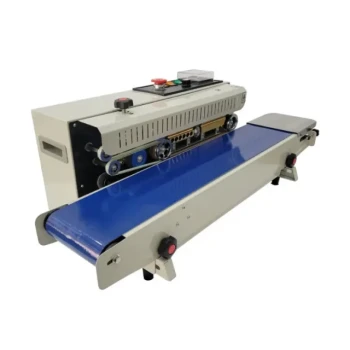
- Automatic Continuous Heat Sealing Machine
- Portable Queen Bee Incubator with 12V Car Adapter for Safe Transport
People Also Ask
- How is a heat sealer used in the production of honey sticks? Master the Art of Leak-Proof Sealing
- What is a sealing machine called? Choose the Right Heat Sealer for Your Packaging
- How do I choose a heat sealer? A Guide to Matching the Right Machine to Your Needs
- What is the function of sealing machines? Ensure Product Integrity and Extend Shelf Life
- What is a sealing machine? Protect Your Product Quality and Brand Reputation