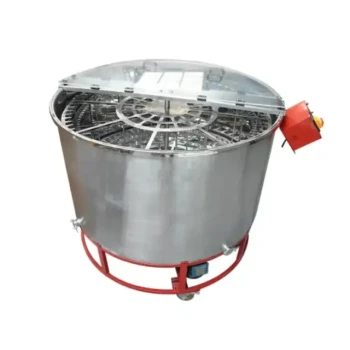
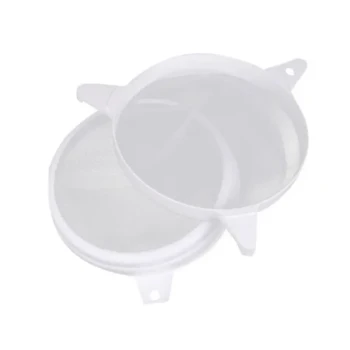
The primary function of industrial honey extraction and filtration equipment is to mechanically purify raw honey by thoroughly removing beeswax, honeybee remains, and other physical debris. This processing stage serves as a critical technical link in the value chain, ensuring the final product achieves the purity and sensory quality necessary to strictly adhere to international trade and export standards.
While the immediate mechanism is physical separation, the strategic purpose of this equipment is standardization. It transforms variable raw harvests into consistent, export-grade commodities that meet rigorous safety regulations and command market premiums.
Achieving Export-Grade Purity
Mechanical Separation via Centrifugal Force
Industrial extractors utilize high-speed centrifugal force to separate honey from the honeycomb structure. This method is far more efficient than gravity draining and is essential for handling large volumes typical of export operations.
Removal of Physical Contaminants
The filtration component specifically targets insoluble impurities. Primary targets include wax cappings, larvae, bee legs, and debris that inevitably enter the honey during harvest.
Compliance with International Standards
Global markets, particularly in the pharmaceutical and food sectors, have zero tolerance for physical contamination. This equipment provides the standardized processing required to pass strict hygiene inspections and safety audits for cross-border trade.
Enhancing Sensory Quality and Market Value
Improving Visual Clarity
Consumer perception of quality is heavily influenced by the product's appearance. High-precision filtration systems remove micro-impurities and pollen clusters, resulting in improved transparency and color.
Commanding a Market Premium
Clear, impurity-free honey generally secures a higher retail price. By refining the sensory attributes of the honey without utilizing chemical additives, producers can position their stock in higher-value commercial tiers.
Accurate Cost Accounting
Automated filling and precise extraction minimize material loss compared to manual methods. This efficiency allows exporters to perform accurate unit product cost accounting, a necessity for maintaining margins in the competitive global market.
Operational Efficiency and Preservation
Scaling Up Production
This equipment facilitates the transition from traditional beekeeping to modern industrial operations. Automation significantly increases throughput speed while simultaneously reducing dependency on manual labor.
Nutrient Preservation
Despite the industrial scale, the process relies on controlled physical force rather than heat or chemicals. This approach maximizes the preservation of nutritional components and natural flavors, ensuring the honey remains a "natural" product despite processing.
Understanding the Trade-offs
The Risk of Over-Filtration
While clarity is desired, excessive filtration (often called ultra-filtration) can remove all pollen. Pollen is the key marker for determining geographical origin; removing it entirely can lead to accusations of honey laundering or product adulteration in strict export markets.
Capital vs. Operational Costs
Implementing industrial-grade extraction requires significant upfront capital investment. While it reduces long-term labor costs, the maintenance of complex centrifugal and automated dosing systems requires technical expertise that traditional operations may lack.
Strategic Considerations for Equipment Implementation
To maximize the value of your honey in the export chain, match your equipment choice to your specific market objectives.
- If your primary focus is High-Volume Bulk Export: Prioritize high-throughput centrifugal extractors and filtration systems that guarantee compliance with strict physical purity standards to prevent border rejection.
- If your primary focus is Premium Retail Branding: Select equipment that balances clarification with the preservation of pollen markers to maintain the product's identity as natural and traceable.
- If your primary focus is Operational Efficiency: Invest in fully automated lines that integrate extraction, filtration, and dosing to minimize labor costs and material waste.
The right equipment does not just clean the honey; it defines the market tier your product is eligible to enter.
Summary Table:
| Feature | Industrial Function | Value Chain Impact |
|---|---|---|
| Centrifugal Extraction | Rapidly separates honey from honeycomb | High-volume throughput and labor efficiency |
| Precision Filtration | Removes wax, debris, and physical impurities | Meets international food safety and hygiene standards |
| Sensory Refinement | Enhances visual clarity and transparency | Commands premium market pricing and consumer trust |
| Physical Processing | Preserves nutrients without chemical additives | Maintains 'natural' product status for export |
| Automation | Integrated extraction and filling | Reduces material waste and enables accurate cost accounting |
Elevate Your Honey Production to Global Standards with HONESTBEE
Transitioning from traditional beekeeping to a profitable export operation requires precision and scale. At HONESTBEE, we specialize in empowering commercial apiaries and distributors with the robust machinery needed to dominate the international market. From high-speed centrifugal extractors and high-precision filtration systems to advanced honey-filling machines, our comprehensive wholesale portfolio covers your entire production line.
Our equipment doesn't just process honey—it transforms your raw harvest into a standardized, premium commodity that meets the world's strictest safety regulations. Whether you are looking to scale your throughput, minimize labor costs, or secure higher retail margins, HONESTBEE provides the tools and industrial consumables to make it happen.
Ready to optimize your apiary for export success? Contact our technical team today to discuss your equipment needs
References
- Giovanni Federico, Yongmei Zhang Carol. The Competitiveness of Ethiopian Honey in the European Union and the United Kingdom. DOI: 10.6007/ijarbss/v13-i3/16509
This article is also based on technical information from HonestBee Knowledge Base .
Related Products
- Electric Double Wall Honey Filtering Machine Purifier Equipment for Honey Processing Plant
- Honey Concentrating and Filtering Dehumidifier Machine 2T Capacity for Honey
- HONESTBEE 72 Frame Industrial Electric Honey Extractor for Beekeeping
- Stainless Steel Triangle Support Honey Strainer and Filters
- Professional Stainless Steel Honey Filtering Machine with Water Bath Heating for Beekeeping
People Also Ask
- What is the process of filtering honey? A Guide to Clean, Pure, and Market-Ready Honey
- What types of equipment are used in honey filtering? Build an Efficient System for Pure, Marketable Honey
- What is the overall importance of using the right equipment in honey filtering? Boost Quality & Marketability
- What role do professional honey harvesting and filtering equipment play in meeting honey market quality standards? Boost ROI
- How should honey filtering equipment be properly maintained? Extend Equipment Life & Protect Honey Purity