The primary function of laboratory-grade microscopes is to provide high-precision pathological analysis through in-depth observation. By performing sectional analysis on diseased honeybee specimens, these instruments allow technicians to move beyond surface-level symptoms and accurately identify the specific pathogens responsible for colony health issues.
Core Takeaway: Visual inspections of a hive are often insufficient for accurate diagnosis. Microscopic analysis serves as the definitive technical method for identifying viruses, bacteria, fungi, and mites, providing the hard data necessary to formulate targeted disease prevention and control plans.
The Mechanics of Accurate Diagnosis
In-Depth Observation and Sectional Analysis
Laboratory-grade microscopes allow for the examination of specimens at a cellular or structural level. This capability is critical for sectional analysis, where internal tissues or fluids are examined rather than just the exterior of the bee.
This level of detail is necessary to detect pathogens that are invisible to the naked eye. It transforms a general suspicion of "sickness" into a confirmed biological observation.
Identification of Specific Pathogens
The core technical capability of these microscopes is the accurate classification of disease agents. Technicians can identify a wide range of threats, including viruses, bacteria, fungi, and mites.
High-precision optics provide the visual resolution required to distinguish between minute organisms. For example, technicians can differentiate between specific parasites such as Varroa destructor, Nosema apis, and Malpighamoeba mellificae.
Uncovering Mixed Infections
A critical advantage of microscopic diagnosis is the ability to detect concurrent health issues. A colony may suffer from a mixed infection, such as a combination of Varroa mites and Nosema, or Varroa and tracheal mites.
Without the resolution provided by a laboratory microscope, one condition might mask the other. Identifying all active pathogens is essential for understanding the full scope of the colony's health crisis.
From Diagnosis to Disease Control
The Foundation for Targeted Treatment
Accurate identification is not an academic exercise; it is the prerequisite for action. Once the specific pathogens are confirmed, apiarists can formulate targeted prevention and control plans.
Different pathogens require vastly different treatments. A plan designed for a bacterial infection will be ineffective against a fungal issue like Nosemosis.
Inhibiting Epidemic Spread
By identifying the exact cause of a disease early, technicians can implement measures to stop the spread of epidemics within an apiary.
This data-driven approach moves beekeeping from reactive, broad-spectrum treatments to proactive, precise management. It ensures that interventions are applied exactly where and when they are needed to preserve the apiary.
Understanding the Trade-offs
The Dependency on Sample Quality
While the microscope provides high-precision analysis, its results are only as reliable as the sample provided. Sample integrity is the limiting factor.
If bees are damaged or contaminated during extraction, the microscopic diagnosis may be compromised. Reliable diagnosis requires the use of specialized bee sample collection tools to extract live or fresh samples without introducing external contaminants.
The Need for Consistent Monitoring
A single microscopic observation provides a snapshot in time, which may not reflect the long-term trend of the colony.
To be truly effective, microscopic analysis should be part of a standardized workflow. This often requires professional beehives designed to facilitate regular, consistent sample collection, ensuring that data remains comparable across the apiary over time.
Making the Right Choice for Your Apiary
To effectively utilize microscopic diagnosis for honeybee health, consider your specific management goals:
- If your primary focus is accurate diagnosis: Prioritize high-resolution optical equipment capable of distinguishing between morphologically similar pathogens to identify mixed infections.
- If your primary focus is disease control: Use the diagnostic data to create specific, pathogen-targeted treatment plans rather than relying on general "cure-all" remedies.
Precision in diagnosis is the single most important factor in converting a failing colony into a managed, recovering ecosystem.
Summary Table:
| Feature | Diagnostic Benefit | Impact on Colony Health |
|---|---|---|
| Sectional Analysis | Cellular-level examination of internal tissues | Moves beyond surface symptoms to find hidden causes |
| Pathogen Identification | Distinguishes viruses, bacteria, fungi, and mites | Enables the creation of targeted treatment plans |
| Mixed Infection Detection | Reveals concurrent health issues (e.g., Varroa + Nosema) | Prevents one condition from masking another |
| High-Precision Optics | Accurate classification of minute organisms | Stops the spread of epidemics through early detection |
Elevate Your Apiary’s Health with HONESTBEE
At HONESTBEE, we empower commercial apiaries and distributors with the specialized tools needed for precision beekeeping. From high-performance laboratory-grade microscopes and hive-making machinery to honey-filling systems and essential consumables, our comprehensive wholesale portfolio covers the entire spectrum of industry needs.
Stop guessing and start diagnosing. Partner with us to access the technical equipment and specialized hardware required to manage healthy, productive colonies and secure your supply chain.
Contact HONESTBEE Today to Discuss Your Wholesale Equipment Needs
References
- Prasad Peteti, Shankar Meti. Role of Beekeeping Trainings in Integrated Farming System and Diagnosis of Beekeeping Problems in HK Area of Karnataka. DOI: 10.20546/ijcmas.2018.704.345
This article is also based on technical information from HonestBee Knowledge Base .
Related Products
- Professional Grade Foldable Beehive Handles
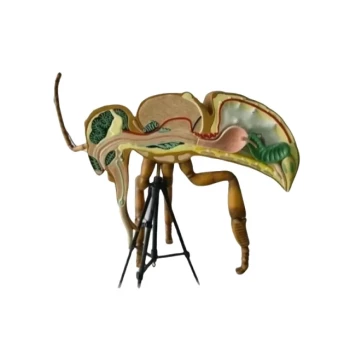
- HONESTBEE Anatomy Bee Model Detailed Anatomical Display for Education and Study
People Also Ask
- How do bee hive handles facilitate the evaluation of food stores? Use the Lift Test for Winter Survival
- How do the geometry and dimensions of hive handles influence operational safety and control? Expert Design Insights
- What is a bee hive tool? Discover Why It’s the Most Essential Hand Tool for Every Beekeeper
- What are the common sizes and features of bee hive tools? Choose the Right Tools for Your Apiary
- What is the role of professional hive tools in routine apiary maintenance? Expert Tips for Hive Health and Longevity