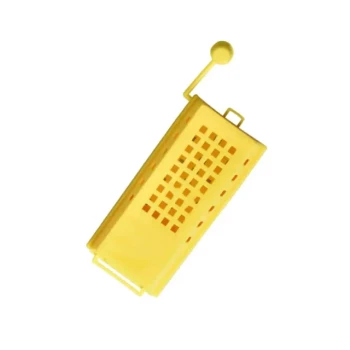
Plastic queen cups serve as the foundational vessel for standardized larval development. In artificial queen bee rearing, their primary function is to act as a stable, standardized container for holding transferred larvae. By mimicking the geometric shape of natural queen cells, these cups guide nurse bees to accept the larvae and deposit the royal jelly necessary for them to develop into reproductive queens.
In the context of commercial beekeeping, consistency is as vital as biology. Plastic queen cups provide a uniform structural environment that ensures high larval survival rates and enables the large-scale management of queen production.
The Role of Plastic Cups in Production
Mimicking Natural Geometry
The fundamental purpose of a plastic cup is biological simulation.
Honey bees are driven by instinctual cues. The plastic cup is designed to replicate the natural curvature and depth of a queen cell base.
This physical structure acts as a signal to worker bees. It induces them to secrete large amounts of royal jelly, which is the critical nutritional factor that differentiates a queen from a worker bee.
Providing a Standardized Substrate
In natural hives, bees build wax cells that can vary slightly in size and shape.
Plastic cups eliminate this variable. They serve as a standardized substrate, ensuring that every larva has an identical internal volume for growth.
This volume directly influences the capacity for royal jelly storage. By standardizing the space, beekeepers ensure that every resulting virgin queen has access to consistent nutrition and developmental space.
Facilitating Mass Translocation
Plastic cups convert biology into a manageable industrial process.
They function as the primary carrier for larval grafting. Because they are durable and uniform, they can be easily fixed onto grafting frames in large groups.
This allows beekeepers to manage, observe, and harvest queens or royal jelly in bulk, rather than managing individual natural cells scattered across a hive.
Operational Advantages
Material Stability and Hygiene
Unlike beeswax, which is soft and malleable, plastic offers material stability.
These cups do not warp or degrade during the rearing process. This rigidity protects the developing larva during handling.
Furthermore, plastic is non-porous and easy to clean. This allows for simple sterilization and reuse, making them highly efficient consumables for large-scale operations.
Streamlined Workflow
Plastic cups are designed for simple operation.
They integrate seamlessly with other tools, such as grafting frames and protective cages. This interoperability allows technicians to move larvae from the egg-laying device to the rearing colony without directly touching the delicate larva or the royal jelly surrounding it.
Understanding the Trade-offs
While plastic cups offer superior durability and standardization, they lack the chemical signature of natural beeswax.
Beeswax cups naturally contain chemical properties consistent with the hive, which can sometimes result in higher immediate acceptance rates by worker bees.
Plastic cups rely solely on physical shape to trigger the bees' instincts. Consequently, new plastic cups may sometimes require "priming" (coating with a thin layer of wax or honey) to encourage nurse bees to accept the artificial material as part of the colony.
Making the Right Choice for Your Goal
Whether you choose plastic or natural wax depends on the scale and specific objectives of your apiary.
- If your primary focus is commercial scale: Prioritize plastic cups for their durability, ease of cleaning, and compatibility with standardized grafting frames to maximize throughput.
- If your primary focus is maximum initial acceptance: Consider that while plastic is efficient, it may require priming to match the biological acceptance rates of pure beeswax cups.
Plastic queen cups ultimately function as the essential interface between human management and bee biology, providing the physical structure necessary to turn a standard larva into a viable queen.
Summary Table:
| Feature | Function in Queen Rearing | Key Advantage |
|---|---|---|
| Biological Simulation | Replicates the natural geometry of queen cells | Triggers worker bees to deposit royal jelly |
| Standardization | Provides uniform internal volume for all larvae | Ensures consistent nutrition and growth space |
| Carrier System | Acts as a durable vehicle for grafting | Enables large-scale translocation and management |
| Material Stability | Offers a rigid and hygienic non-porous structure | Protects larvae during handling and allows reuse |
Scale Your Queen Rearing Operation with HONESTBEE
At HONESTBEE, we specialize in empowering commercial apiaries and distributors with the tools needed for industrial-scale success. From precision-engineered plastic queen cups to advanced honey-filling machines and specialized hive-making hardware, our comprehensive wholesale portfolio covers the full spectrum of beekeeping equipment.
Whether you are looking to maximize queen production throughput or supply a retail network with premium beekeeping consumables, our team delivers the expertise and reliability your business demands.
Ready to elevate your production efficiency?
Contact HONESTBEE today for wholesale inquiries and expert solutions
References
- J. Elijah Powell, Juliana Rangel. Modulation of the honey bee queen microbiota: Effects of early social contact. DOI: 10.1371/journal.pone.0200527
This article is also based on technical information from HonestBee Knowledge Base .
Related Products
- JZBZ Type Wide Base Plastic Queen Cell Cups for Base Mounting and Queen Rearing
- Clear Black Plain Polystyrene Queen Bee Grafting Cell Cups No Lug for Bee Queen Cup
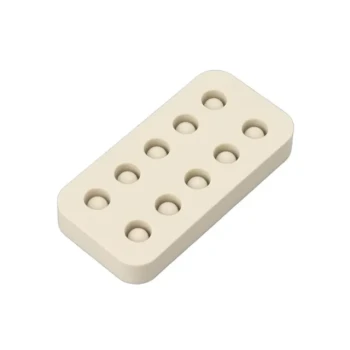
- 10-Cell Silicone Beeswax Bee Queen Cups Forming Mold
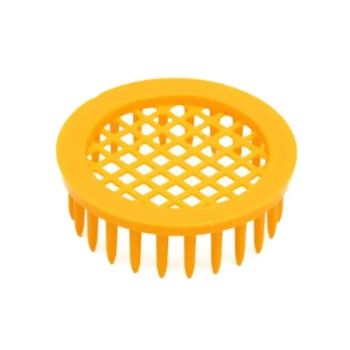
- Durable Plastic Push In Queen Bee Cage
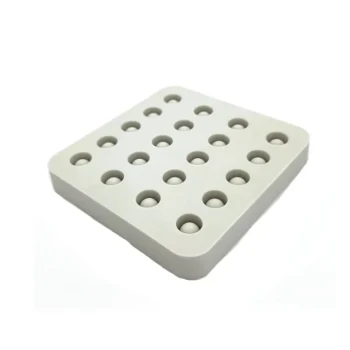
- High-Efficiency 20-Cell Silicone Mold for Beeswax Bee Queen Cup Production
People Also Ask
- What are the primary advantages of using plastic queen cell cups? The Industrial Choice for High-Efficiency Apiaries
- What technical advantages do commercial plastic queen cell cups offer? Scale Your Queen Rearing for Maximum Efficiency
- What is the function of standardized plastic Queen Cell Cups? Boost Efficiency in Commercial Larval Grafting
- Why are standardized plastic queen cell cups preferred? Boost Commercial Queen Rearing Efficiency
- Why are standardized plastic queen cell cups typically used in large-scale queen bee production? Boosting Apiary Output