The primary function of a pollen trap is to intercept foraging honey bees at the hive entrance and collect fresh pollen pellets before they are stored in the colony. This device acts as a mechanical filter, separating the pollen from the bee to allow for automated, large-scale harvesting.
The pollen trap provides a non-destructive method to gather authentic, consistent pollen samples for commercial sale or scientific analysis without harming the returning foragers.
How the Pollen Trap Works
The Mechanical Barrier
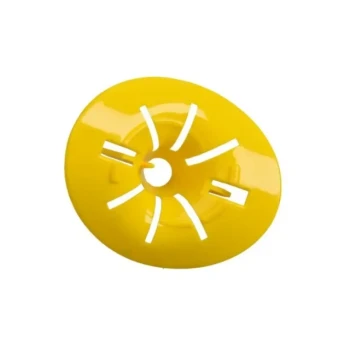
The core mechanism of the trap is a specialized grid structure or physical barrier installed directly at the hive entrance.
Returning worker bees are forced to navigate through this grid to enter their hive.
Separation and Collection
As the bees pass through the specific physical structure, the barriers scrape the pollen pellets from their hind legs.
These dislodged pellets fall through a screen into a collection drawer or tray below, inaccessible to the bees but easily removable by the beekeeper.
Non-Destructive Design
A critical design feature is that the process is non-destructive.
The equipment is engineered to remove the pollen load without causing physical harm to the insects, allowing the workforce to continue foraging.
Strategic Applications
Ensuring Commercial Authenticity
For commercial producers, the trap is essential for obtaining large-scale samples of pollen as a "non-timber forest product."
By intercepting pollen immediately upon return, the trap ensures the natural consistency and freshness required for high-quality consumer products.
Enabling Scientific Research
Researchers rely on these traps to analyze honeybee behavior and ecosystem health.
The collected samples allow scientists to measure collection volumes and determine specific plant preferences across different seasons.
Operational Considerations
Entrance Obstruction
While effective, it is important to recognize that a pollen trap introduces a mechanical barrier at the hive's busiest point.
The bees must adapt to navigating the grid structure, which alters the natural flow of traffic at the entrance.
Dependence on Foraging Activity
The trap's efficiency is entirely dependent on the active return of foragers.
It is a passive collection device that relies on the external workforce bringing resources back from the field to function.
Making the Right Choice for Your Goal
Whether you are managing an apiary for profit or data, the pollen trap is a tool for extraction and analysis.
- If your primary focus is Commercial Production: Utilize these traps to automate the harvesting of fresh, authentic pollen pellets with natural consistency.
- If your primary focus is Scientific Research: Deploy these traps to gather data on plant species preferences and foraging volumes without dissecting or harming the bees.
By effectively separating the resource from the gatherer at the threshold of the hive, you gain access to a valuable product while maintaining the colony's workforce.
Summary Table:
| Feature | Description |
|---|---|
| Core Mechanism | Mechanical grid structure at the hive entrance |
| Harvesting Method | Scrapes pollen pellets from bees' hind legs into a tray |
| Impact on Bees | Non-destructive; workers remain unharmed and active |
| Primary Use Cases | Commercial pollen production and scientific ecosystem research |
| Efficiency Factor | Dependent on active forager return and floral availability |
Maximize Your Apiary’s Output with HONESTBEE
Elevate your commercial beekeeping operations with professional-grade equipment from HONESTBEE. We specialize in supporting commercial apiaries and distributors with a comprehensive range of wholesale solutions, from high-efficiency pollen traps and hive-making machinery to advanced honey-filling systems and essential consumables.
Whether you are looking to automate your harvest or scale your distribution, our portfolio of beekeeping tools and specialized hardware ensures you deliver the highest quality product to your customers. Contact us today to discuss your wholesale needs and see how our industry expertise can drive your business growth.
References
- Eslam M. Omar, Yahya Al Naggar. Crushing corn pollen grains increased diet digestibility and hemolymph protein content while decreasing honey bee consumption. DOI: 10.1007/s13592-022-00963-0
This article is also based on technical information from HonestBee Knowledge Base .
Related Products
- Removable Plastic Pollen Trap With Ventilated Tray for Bees Pollen Collector
- 30 cm Plastic Entrance Hole Bee Pollen Trap and Collector
- Plastic Bee Pollen Trap Strips Comb Catcher Collector
- High-Efficiency Diamond Maze Bee Escape for Clearing Supers
- Professional Bucket Style Wasp and Moth Pheromone Trap
People Also Ask
- What are the design principles and advantages of pollen traps in the collection of bee pollen? Boost Your Apiary Yield
- What is the function of professional pollen traps in evaluating honey plants? Quantifying Pollination and Crop Potential
- What functions do pollen traps serve for bee bread production? Optimize Your Raw Material Collection
- What maintenance and pest prevention measures should be taken for pollen traps? Protect Your Hive and Harvest Quality
- How does the use of pollen traps in honeybee hives enhance crop fertilization? Boost Your Yield Through Induced Activity