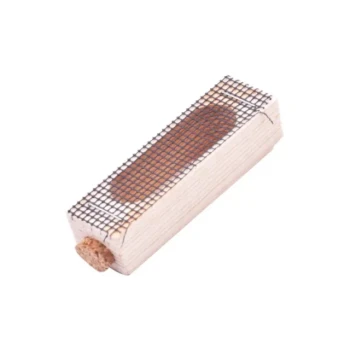
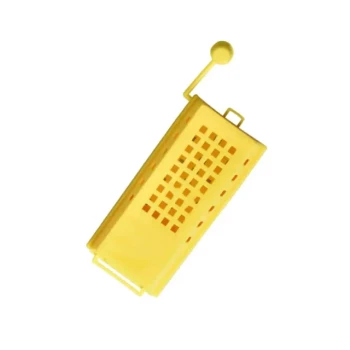
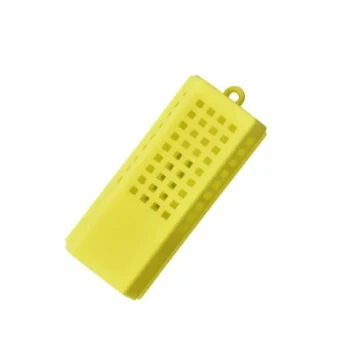
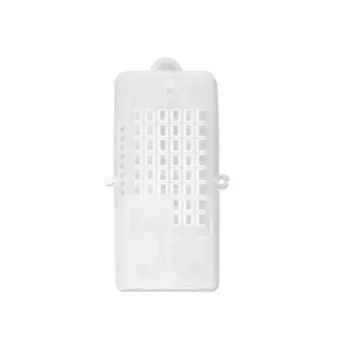
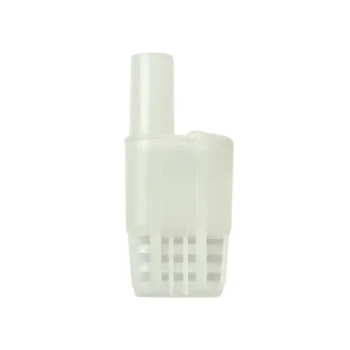
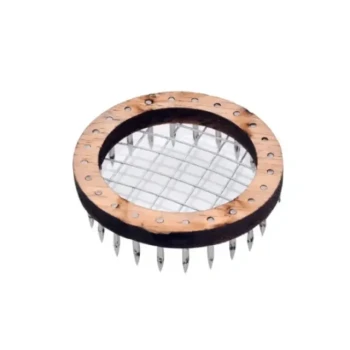
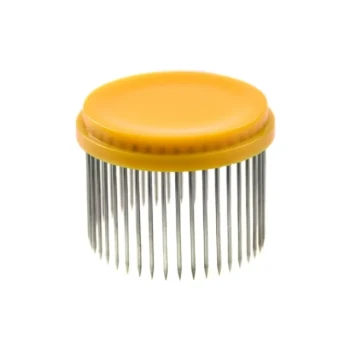
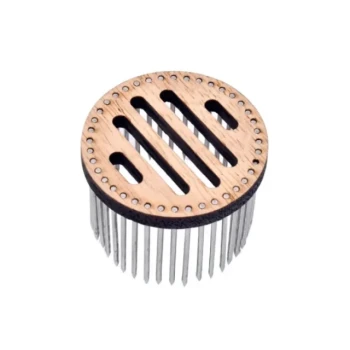
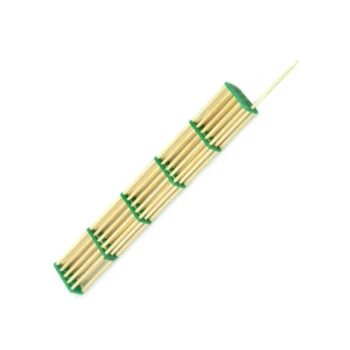
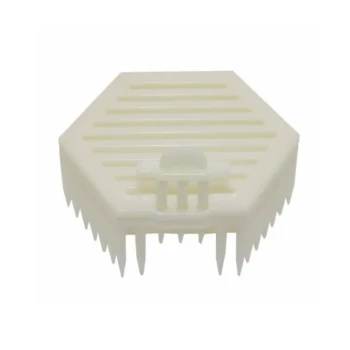
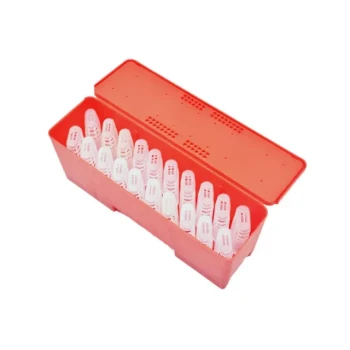
In controlled honey bee colony experiments, the primary function of a queen cage is to restrict the queen's movement and strictly regulate the level of physical contact she has with worker bees. This physical separation allows researchers to isolate specific variables, particularly to analyze how pheromone communication influences worker ovary activation without the interference of direct physical interaction.
By using queen cages to house mated or virgin queens, scientists can simulate precise colony environments. This isolation is essential for distinguishing the mechanisms of reproductive inhibition caused by chemical signaling from those caused by physical presence.
The Scientific Role of Isolation
In an experimental setting, the cage is more than a container; it is a tool for variable control. Researchers use this tool to dissect the complex social hierarchy of the hive.
Regulating Physical Contact
The cage acts as a selective barrier. It physically separates the queen from the workers while usually allowing airflow and scent dispersal.
This ensures that any physiological changes observed in the workers are the result of volatile chemicals (pheromones) rather than tactile stimulation.
Analyzing Reproductive Inhibition
A core area of study is "reproductive inhibition"—the process by which a queen prevents workers from developing active ovaries.
By caging the queen, researchers can observe if her scent alone is sufficient to suppress worker reproduction, or if physical interaction is required to fully inhibit ovary activation.
Simulating Colony Environments
Cages allow for the introduction of either mated or virgin queens into specific test groups.
This flexibility enables scientists to compare how the colony responds to different reproductive states of a queen under identical physical constraints.
Comparison: Cages vs. Excluders
It is vital to distinguish between a queen cage and a queen excluder, as they serve different experimental purposes.
The Function of the Cage
The cage completely confines the queen to a small, portable enclosure.
Its primary goal in research is behavioral and physiological analysis regarding pheromones and acceptance.
The Function of the Excluder
A queen excluder is a larger barrier used to vertically divide the hive.
As noted in supplementary data, excluders are used to restrict the queen to specific frames to obtain synchronized larvae (larvae of the exact same age) for chemical exposure samples. They do not isolate the queen from the colony's social structure as strictly as a cage does.
Understanding the Trade-offs
While queen cages are powerful experimental tools, they introduce artificial constraints that must be managed to ensure data validity.
The Barrier of Artificiality
Caging a queen creates an environment that is not entirely natural.
The restriction of movement prevents the queen from laying eggs in a natural pattern, which can alter the behavior of nurse bees and potentially skew data related to brood care.
The Challenge of Acceptance
Introducing a queen via a cage creates a "buffer period."
While this protects the queen from aggression (colony exclusivity), it also delays full colony integration. The colony needs time—often 1 to 2 days involving mechanisms like candy plugs—to accept the queen's pheromones before the experiment can proceed to a "free-running" state.
Making the Right Choice for Your Goal
Select the appropriate containment method based on the specific variable you intend to measure.
- If your primary focus is analyzing pheromone effects on worker physiology: Use a mesh queen cage to prevent physical contact while allowing chemical signals to permeate the environment.
- If your primary focus is obtaining standardized biological samples: Use a queen excluder to restrict the queen to specific frames, ensuring all larvae are of the same age for chemical exposure testing.
- If your primary focus is ensuring queen survival during introduction: Use a cage with a candy plug to provide a slow-release mechanism that buffers the queen's scent and prevents rejection by the workers.
Effective experimental design relies on using the cage not just for containment, but as a precise filter for biological interaction.
Summary Table:
| Feature | Queen Cage | Queen Excluder |
|---|---|---|
| Primary Goal | Isolation & Variable Control | Spatial Restriction (Frame-based) |
| Physical Contact | Strictly Limited or Prevented | Permitted via Grid |
| Research Use | Pheromone & Reproductive Studies | Larvae Synchronization |
| Mobility | Fully Confined to Small Enclosure | Restricted to Specific Hive Sections |
| Key Outcome | Analysis of chemical vs. tactile signals | Collection of same-age biological samples |
Elevate Your Apiary Operations with HONESTBEE
Whether you are conducting precise scientific research or managing a large-scale commercial apiary, HONESTBEE provides the professional-grade tools you need to succeed. As a leading partner for commercial apiaries and distributors, we offer a comprehensive wholesale portfolio ranging from specialized mesh queen cages and excluders to advanced honey-filling machines and hive-making hardware.
Why choose HONESTBEE?
- Full Spectrum Supply: From essential consumables to heavy machinery.
- Industry Expertise: Specialized equipment tailored for commercial scalability.
- Wholesale Value: Competitive pricing for global distributors and large bee farms.
Optimize your colony management and production efficiency today. Contact HONESTBEE to discuss your wholesale requirements!
References
- A. Elbassiouny. OCCURANCE OF LAYING WORKERS AT DIFFERENT HONEY BEE COLONIES STATUS. DOI: 10.21608/ajs.2005.15527
This article is also based on technical information from HonestBee Knowledge Base .
Related Products
- Durable Galvanized Steel Spring Queen Bee Cage
- Classic Wooden and Mesh California Queen Cage
- Professional Queen Bee Introduction and Transport Cage
- Professional Queen Cage with Sliding Gate and Feeder Plug
- Professional Multi-Compartment Queen Cage with Sliding Lid
People Also Ask
- Why are specialized queen bee cages used for the banking of mated queen bees? Maximize Commercial Apiary Storage Efficiency
- What is the mechanism of action for using temporary queen bee cages? Master Successful Queen Introduction
- What is the step-by-step process for installing a queen bee's cage onto a frame? Ensure Hive Acceptance Safely
- What is the optimal placement for a queen bee cage? Essential Strategies for Successful Re-queening
- What are the advantages and disadvantages of introducing a queen bee by embedding the cage? Boost Your Queen Acceptance