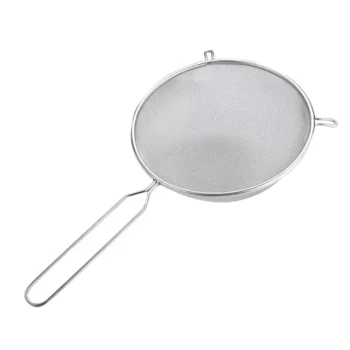
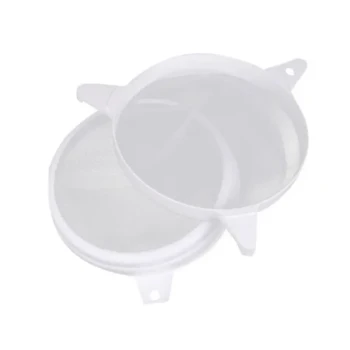
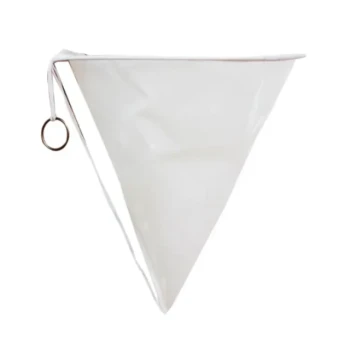
The primary function of single-layer fine mesh filter cloth during the purification of multifloral honey is to intercept visible solid impurities, such as wax fragments, soil particles, and bee parts. This critical consumable facilitates primary physical purification, ensuring the honey is hygienically prepared for sterile storage and subsequent physicochemical analysis without significantly impeding flow.
By effectively separating macroscopic debris from the liquid matrix, this filtration step establishes the baseline clarity and hygiene required for high-quality honey production while preserving its natural processing efficiency.
The Mechanics of Primary Purification
Intercepting Macroscopic Contaminants
The fundamental role of the fine mesh cloth is to act as a mechanical barrier against visible solid impurities.
During the extraction process, raw honey inevitably collects foreign matter. The filter cloth specifically targets contaminants such as soil particles, wax fragments, and bee parts that are introduced during harvesting. Removing these elements is the first step in transforming raw extraction into a consumable food product.
Breaking Down Pollen Aggregates
While honey naturally contains pollen, large aggregates can affect texture and clarity.
The filter cloth is designed to intercept large pollen clumps that may have formed during the collection process. By removing these clusters, the filter ensures a smoother consistency in the final product while allowing the liquid honey to pass through the mesh design efficiently.
Impact on Quality and Processing
Ensuring Hygienic Standards
Filtration is not merely about aesthetics; it is a vital hygiene control point.
By eliminating physical debris and potential carriers of bacteria (such as soil or biological waste), the filter cloth prepares the honey for sterile storage. This step reduces the risk of spoilage or contamination that could occur if organic debris were left suspended in the honey during storage.
Facilitating Accurate Analysis
Consistent filtration is a prerequisite for reliable laboratory testing.
To perform detailed physicochemical analysis, the sample must be representative of the liquid honey matrix, not the debris floating in it. Primary purification removes the noise of random particles, allowing for accurate assessment of the honey's chemical properties and quality.
Understanding the Trade-offs
Balancing Clarity with Authenticity
A common pitfall in honey filtration is selecting a mesh size that is too aggressive.
While the goal is to remove impurities, the process must distinguish between "contaminants" and "characteristics." High-mesh nylon filtering cloth is specifically chosen to remove unwanted debris while allowing beneficial natural pollen grains to pass through.
Over-filtration can strip honey of these microscopic pollen grains, effectively removing its floral fingerprint and nutritional value. The ideal single-layer mesh strikes a balance: it yields a clear, transparent product that meets market sensory standards without sterilizing the honey of its natural botanical identity.
Making the Right Choice for Your Goal
To optimize your purification process, consider the specific requirements of your final product standards.
- If your primary focus is hygiene and clarity: Prioritize a mesh size (typically 0.1 to 0.2 mm) that guarantees the removal of all visible wax and insect debris to meet strict food safety regulations.
- If your primary focus is botanical authenticity: Ensure your filter cloth allows for the passage of individual pollen grains, preserving the honey's nutritional profile and floral classification.
Effective filtration is the art of removing the foreign while preserving the essential.
Summary Table:
| Feature | Primary Function & Impact |
|---|---|
| Core Purpose | Intercepts wax fragments, soil particles, and bee parts |
| Hygienic Benefit | Prepares honey for sterile storage and prevents spoilage |
| Consistency | Breaks down large pollen aggregates for a smoother texture |
| Analytical Value | Enables accurate physicochemical analysis by removing debris |
| Efficiency | Ensures high clarity without significantly impeding flow rates |
Elevate Your Honey Production Standards with HONESTBEE
Achieving the perfect balance between liquid clarity and botanical authenticity requires professional-grade equipment. HONESTBEE specializes in supporting commercial apiaries and distributors with a comprehensive range of beekeeping tools and essential consumables.
From high-performance single-layer fine mesh filter cloths to advanced honey-filling machines and specialized hardware, we provide everything needed to scale your operations and maintain premium quality. Whether you are managing a large-scale commercial apiary or supplying the industry as a distributor, our wholesale solutions are tailored to your success.
Ready to optimize your purification process? Contact us today to discover how HONESTBEE’s equipment can enhance your yield and product value.
References
- Muthuswamy Balasubramanyam. Assessment on Vitamin Constituents of Multifloral Honey of Indigenous Bee Apis Florea and Apis Cerana Indica from Plains, Hills and Western Ghats of Karnataka. DOI: 10.24214/jcbps.b.13.1.08086
This article is also based on technical information from HonestBee Knowledge Base .
Related Products
- Nylon Honey Strainer Square Filter Cloth for Honey Filters
- Conical Nylon Honey Strainer Filter Bag for Beekeeping and Honey Filtration
- Professional Stainless Steel Honey Filter with Support Handle
- Electric Double Wall Honey Filtering Machine Purifier Equipment for Honey Processing Plant
- Stainless Steel Triangle Support Honey Strainer and Filters
People Also Ask
- What is the significance of using professional filter cloths or sieves in honey processing? Ensure Purity and Quality
- What is the simple straining method for processing honey? A Cost-Effective Guide to Pure Extraction
- What cloth for straining honey? The Best Materials for Clean, High-Quality Honey
- What size mesh to strain honey? A Guide to the Standard Double-Sieve Method
- Why is specialized filter cloth preferred over the traditional squeezing method for wild honey? Achieve Higher Purity