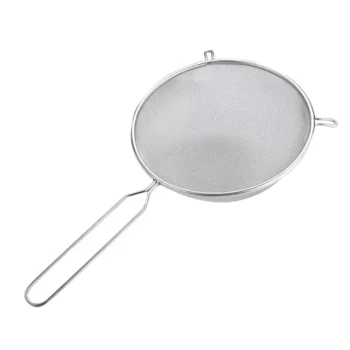
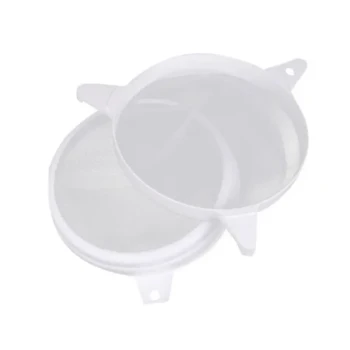
The preference for specialized filter cloth stems from its ability to rely on gravity filtration rather than mechanical force. Unlike traditional squeezing, which crushes the honeycomb and forces wax particles into the liquid, specialized cloth allows for the gentle separation of honey. This method drastically reduces impurity levels and prevents the introduction of excessive wax debris, directly improving the honey's texture and purity.
Core Takeaway Traditional squeezing favors speed but sacrifices quality by mechanically forcing contaminants into the mix. Specialized filtration acts as a selective barrier, utilizing gravity to produce a cleaner, clearer product while preserving the structural integrity of the beeswax and the biological activity of the honey.
The Mechanics of Purity
Gentle Separation vs. Mechanical Force
The traditional squeezing method relies on crushing the honeycomb. This applies aggressive pressure that breaks down the physical structure of the wax, forcing small debris and impurities to mix intimately with the honey.
In contrast, specialized filter cloth utilizes gravity filtration. This passive process allows the honey to flow naturally through the fabric while retaining solids. By avoiding high pressure, you prevent the fragmentation of beeswax, ensuring the final product remains free of the cloudy, waxy residue typical of squeezed honey.
Enhancing Sensory Quality
Consumer perception is driven by clarity and texture. Because filtration minimizes the level of suspended solids and wax particles, the resulting honey has a smoother consistency and higher clarity.
This process ensures color consistency and creates a product that is visually superior to the often turbid appearance of manually squeezed honey.
Biological and Hygienic Advantages
Capturing Micro-Impurities
Standard sieves often lack the density to catch fine contaminants. Food-grade filter cloth is designed with finer fiber pores specifically engineered for honey refinement.
These fine pores are capable of intercepting micro-impurities that coarser methods miss. This results in a significant reduction in overall impurity levels without stripping the honey of its essential character.
Preventing Secondary Contamination
Manual squeezing involves significant handling, which introduces a high risk of secondary contamination from human contact or unsterilized tools.
Using specialized cloth for gravity filtration minimizes direct contact. This maintains higher hygiene standards and protects the biological activity of the honey, ensuring the final product is both safe and chemically stable.
Understanding the Trade-offs
Process Speed vs. Product Quality
It is important to acknowledge that gravity filtration is inherently slower than manual squeezing. Squeezing offers immediate separation, whereas filtration requires time for the honey to seep through the cloth.
Equipment Requirements
While squeezing can be done with rudimentary tools, effective filtration requires specific food-grade cloths and a setup that suspends the comb to allow gravity to work. However, this small investment in equipment is generally offset by the increased commercial value of the purified honey.
Making the Right Choice for Your Goal
To determine the best processing method for your operation, consider your specific end-goals:
- If your primary focus is Commercial Grade Quality: Prioritize filter cloth to ensure the high clarity, color consistency, and hygiene standards required for retail shelves.
- If your primary focus is Biological Integrity: Use gravity filtration to avoid the heat and oxidation associated with aggressive handling, preserving the honey's natural enzymes.
- If your primary focus is Wax Harvesting: Choose filtration to keep the beeswax structure intact, making it easier to clean and process the wax separately later.
By shifting from squeezing to specialized filtration, you move from simple extraction to professional refinement.
Summary Table:
| Feature | Traditional Squeezing | Specialized Filter Cloth |
|---|---|---|
| Mechanism | Manual mechanical force | Passive gravity filtration |
| Product Clarity | Often turbid/cloudy | High clarity and consistency |
| Impurity Level | High (crushed wax & debris) | Minimal (fine micro-filtering) |
| Hygiene Risk | High (manual handling) | Low (minimal contact) |
| Process Speed | Fast/Immediate | Slower/Natural flow |
| Beeswax Quality | Fragmented & crushed | Structurally intact |
Elevate Your Honey Production with HONESTBEE
Transitioning from basic extraction to professional refinement is essential for scaling your apiary business. HONESTBEE specializes in supporting commercial apiaries and distributors with premium wholesale solutions.
We provide the full spectrum of equipment needed to optimize your harvest, including:
- High-Precision Filtration Tools: Ensure the clarity and purity your retail customers demand.
- Advanced Machinery: From hive-making to professional honey-filling machines.
- Comprehensive Consumables: Essential tools and industry-standard supplies for daily operations.
Ready to enhance your product quality and operational efficiency? Contact us today to explore our wholesale offerings!
References
- Kristina Gratzer, Robert Brodschneider. Challenges for Beekeeping in Indonesia with Autochthonous and Introduced Bees. DOI: 10.1080/0005772x.2019.1571211
This article is also based on technical information from HonestBee Knowledge Base .
Related Products
- Nylon Honey Strainer Square Filter Cloth for Honey Filters
- Electric Double Wall Honey Filtering Machine Purifier Equipment for Honey Processing Plant
- Professional Honey Filter with Tripod Support Stand
- Conical Nylon Honey Strainer Filter Bag for Beekeeping and Honey Filtration
- 0.5T Capacity Honey Dehumidifier Dryer with Vacuum Heating and Thickening Filtering Machine
People Also Ask
- What is the significance of using professional filter cloths or sieves in honey processing? Ensure Purity and Quality
- What is the simple straining method for processing honey? A Cost-Effective Guide to Pure Extraction
- What cloth for straining honey? The Best Materials for Clean, High-Quality Honey
- What size mesh to strain honey? A Guide to the Standard Double-Sieve Method
- What size mesh for straining honey? Master the Two-Stage System for Clean, Raw Honey