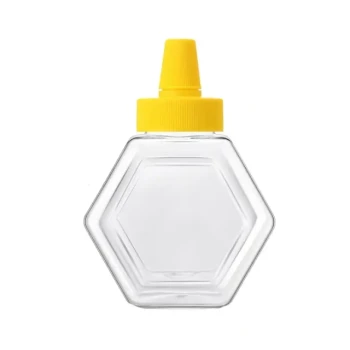
The primary function of wide-mouth sampling bottles is to serve as a non-invasive tool for capturing worker bees as they naturally enter or exit tree cavity nests. By positioning these bottles directly below the hive entrance, researchers can secure samples without damaging the colony structure. When equipped with sealing caps, these containers isolate the specimens, preventing external contamination and preserving the sample's integrity for gastrointestinal parasite analysis.
Wide-mouth bottles provide a critical barrier between the field environment and the laboratory, ensuring that samples collected from wild colonies remain uncontaminated during transport for accurate biological screening.
The Mechanics of Non-Invasive Collection
Strategic Positioning
To utilize wide-mouth bottles effectively, they must be positioned immediately below the entrance of the tree cavity.
This placement takes advantage of the natural flight paths of the bees. It allows for the passive capture of entering and exiting workers without the need for baiting or physical extraction tools.
Preserving Colony Structure
The defining advantage of this method is its non-destructive nature.
Because the collection occurs outside the cavity, the structural integrity of the wild nest remains untouched. This approach ensures the colony can continue to thrive after sampling, which is essential for long-term ecological monitoring.
Ensuring Sample Integrity
Preventing Contamination
Once the bees are inside, the application of sealing caps is vital for the validity of subsequent lab work.
These caps create a closed environment that prevents environmental debris or cross-contamination from other sources. This isolation is particularly critical when the research goal involves detecting internal pathogens, such as gastrointestinal parasites.
Secure Transportation
Wide-mouth bottles are designed to withstand the rigors of field transport.
By securely containing the samples, they ensure that the biological material reaching the laboratory represents the exact conditions found at the collection site. This reliability is the foundation of accurate diagnostic results.
Understanding the Trade-offs: Isolation vs. Survival
The Risk of Sealed Containment
While sealing caps are excellent for preventing contamination, they introduce distinct physiological risks to live specimens.
A tightly sealed bottle restricts air circulation, leading to the rapid accumulation of carbon dioxide and heat generated by the bees' respiration.
Impact on Physiological Studies
If the research requires live bees for immune challenge experiments or survival analyses, a standard sealed wide-mouth bottle may compromise the data.
The stress caused by poor ventilation can alter the bees' physiological state. In these specific scenarios, the need for air circulation to maintain "physiological activity" outweighs the need for strict isolation.
The Ventilation Alternative
For studies prioritizing bee survival over strict contaminant isolation, well-ventilated containers are superior.
These allow for heat dissipation and gas exchange, effectively reducing stress responses during transport. Researchers must choose between the wide-mouth bottle (for parasite isolation) and ventilated containers (for live physiology) based on their specific analytical goals.
Selecting the Right Containment for Your Objective
To ensure your data is valid, you must match your collection container to your specific laboratory requirements.
- If your primary focus is detecting parasites: Use sealed wide-mouth bottles to prevent external contamination and ensure the purity of gastrointestinal samples.
- If your primary focus is immune response or survival: Use well-ventilated containers to maintain airflow, prevent heat stress, and preserve the bees' normal physiological activity.
Choose your tools based on the biological metrics that matter most to your research outcomes.
Summary Table:
| Feature | Wide-Mouth Sampling Bottle | Ventilated Container |
|---|---|---|
| Primary Use | Parasite & gastrointestinal analysis | Immune response & survival studies |
| Collection Goal | Isolate sample from contaminants | Maintain physiological activity |
| Air Circulation | Sealed (prevent contamination) | High (heat dissipation) |
| Impact on Colony | Non-invasive, preserves structure | Non-invasive, preserves structure |
| Specimen State | Preserved for laboratory screening | Kept alive for behavioral testing |
Elevate Your Beekeeping Operations with HONESTBEE
At HONESTBEE, we understand that precision in the field leads to success in the market. Whether you are a commercial apiary conducting vital colony research or a distributor seeking high-quality supplies, we provide the comprehensive wholesale solutions you need.
Our extensive portfolio includes:
- Advanced Machinery: From precision hive-making to efficient honey-filling machines.
- Essential Hardware: Durable beekeeping tools and collection equipment for wild and managed colonies.
- Industry Consumables: A wide array of essentials to keep your operations running smoothly.
- Honey Culture Merchandise: Unique items to expand your retail presence.
Partner with HONESTBEE to access professional-grade equipment and machinery that ensures your success from the tree cavity to the honey jar. Contact us today to explore our wholesale catalog and discover our value to your business!
References
- Maria Michalczyk, Rajmund Sokół. <i>Lotmaria Passim</i> As Third Parasite Gastrointestinal Tract of Honey Bees Living in Tree Trunk. DOI: 10.2478/jas-2020-0012
This article is also based on technical information from HonestBee Knowledge Base .
Related Products
People Also Ask
- What are the benefits of squeeze bottles for honey packaging? Unlock Mess-Free Convenience & Control
- How do honey bottles contribute to the preservation of honey products? Secure Quality and Commercial Value
- What are the features of honey bottles? Design for Convenience & Long-Term Preservation
- How should honey bottles be prepared before pouring honey into them? The #1 Rule for Honey Longevity
- What are the features and benefits of using honey bottles for packaging? Optimize Preservation and Consumer Experience