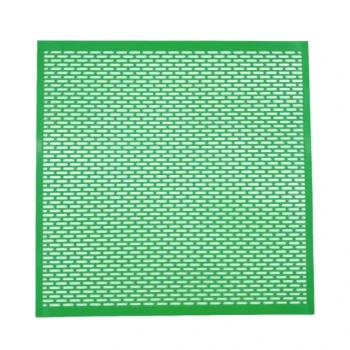
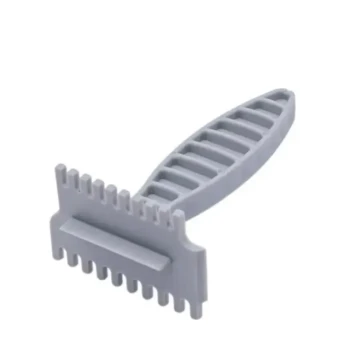
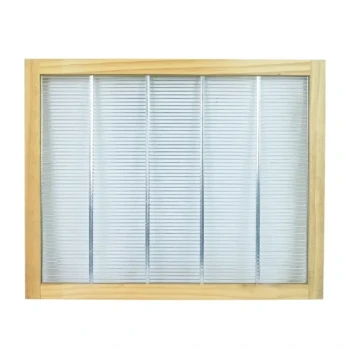
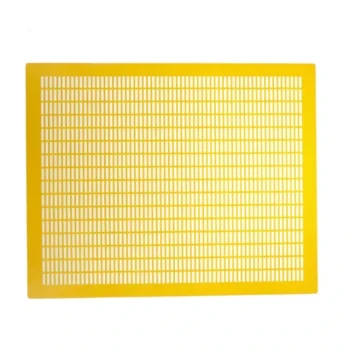
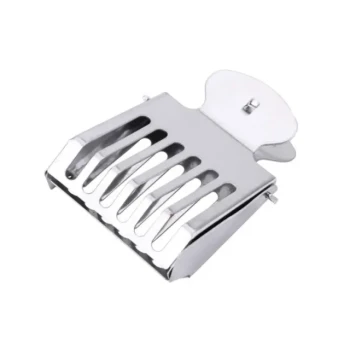
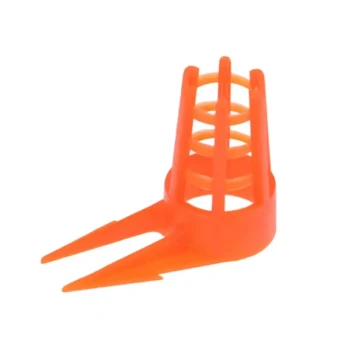
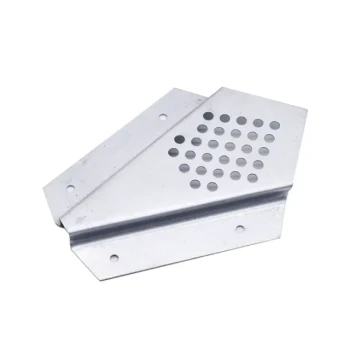
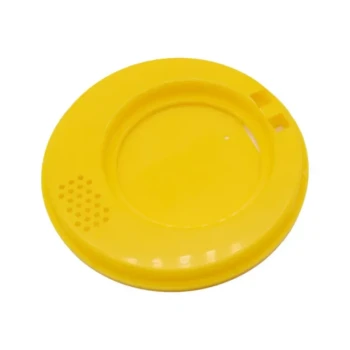
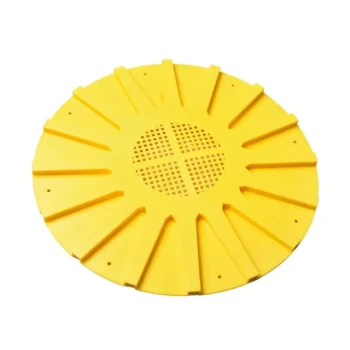
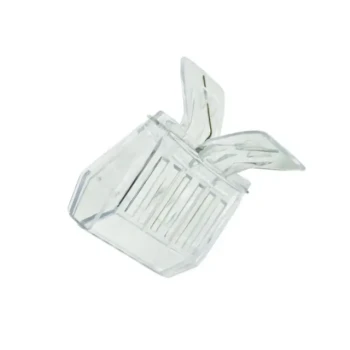
The primary purpose of a queen excluder is to function as a selective barrier within the hive. Specifically, it prevents the queen bee from moving out of the brood chamber and entering the honey supers. By confining the queen to the lower boxes, beekeepers ensure that the upper frames remain dedicated exclusively to honey storage, free from eggs or developing larvae.
By restricting the queen's movement, an excluder guarantees that the honey harvest remains pure and uncontaminated by brood. This physical separation is critical for efficient extraction and simplifies the overall management of the colony's layout.
Ensuring Honey Purity and Quality
Preventing Contamination During Extraction
The most immediate benefit of a queen excluder is the protection of your harvest. If a queen lays eggs in the honey supers, the frames will contain a mix of honey and brood (eggs, larvae, or pupae).
During the extraction process, particularly when using a centrifuge, the presence of brood can contaminate the honey. Using an excluder ensures that only clean honey combs are processed, maintaining the quality of the final product.
Preserving Comb Hygiene
Brood rearing changes the composition of the honeycomb. When bees are raised in a cell, they leave behind cocoons and biological residue that darken the wax.
By keeping the queen out of the supers, the wax in the honey storage area remains light and clean. This is less attractive to pests like wax moths, which feed on the protein-rich cocoons left behind in brood combs.
Operational Efficiency and Hive Management
Simplifying Fall Management
The primary reference highlights that excluders significantly complicate fall management if they are not used. When brood is scattered throughout the hive, consolidating the colony for winter becomes difficult.
An excluder keeps the brood nest compact and located in the lower boxes. This allows the beekeeper to easily remove honey supers at the end of the season without inadvertently removing the queen or splitting the brood nest.
Protecting the Queen
Honey harvesting can be a chaotic time for the hive. If the queen is roaming freely in the supers, there is a higher risk of accidentally harming or removing her during the harvest.
Confining her to the brood chamber ensures she remains safe in the lower portion of the hive while you work on the upper boxes.
Understanding the Trade-offs
The "Honey Excluder" Effect
While effective, these devices are sometimes jokingly referred to as "honey excluders." In some cases, worker bees may be reluctant to pass through the screen to store nectar, especially if the excluder is added too early or if the colony is not strong enough.
Drone Entrapment
Standard excluders are designed to stop the queen, but they also stop drones (male bees), who are larger than workers. If drones are hatched above the excluder or find their way in during an inspection, they cannot escape and will die in the supers, potentially causing hygiene issues.
Making the Right Choice for Your Goal
Whether you choose to use an excluder depends on your specific management philosophy and the scale of your operation.
- If your primary focus is maximum honey purity: Use an excluder to guarantee that your extraction frames contain absolutely no brood or larval contaminants.
- If your primary focus is commercial or large-scale efficiency: Use an excluder to speed up the harvesting process, as you will not need to inspect every frame for brood before removal.
- If your primary focus is wax preservation: Use an excluder to prevent the darkening of honeycombs, reducing the risk of wax moth infestation in stored supers.
Ultimately, the queen excluder is a tool for control, allowing you to dictate the architecture of the hive rather than leaving it to the whims of the colony.
Summary Table:
| Feature | Purpose | Key Benefit |
|---|---|---|
| Selective Barrier | Restricts queen to brood chamber | Keeps honey supers free of eggs and larvae |
| Honey Quality | Prevents brood rearing in supers | Guarantees clear honey and clean, light wax combs |
| Hive Safety | Confines queen location | Reduces risk of harming the queen during harvest |
| Management | Compacts the brood nest | Simplifies fall consolidation and honey extraction |
| Hygiene | Prevents biological residue | Reduces attraction for pests like wax moths |
Elevate Your Commercial Apiary with HONESTBEE
At HONESTBEE, we specialize in empowering commercial apiaries and distributors with premium-grade beekeeping solutions. Whether you need precision-engineered queen excluders to ensure harvest purity or heavy-duty machinery like hive-making and honey-filling machines, our comprehensive wholesale catalog has you covered.
From essential industry consumables to specialized hardware and honey-themed cultural merchandise, we provide the tools you need to scale your operations efficiently. Optimize your honey production today—contact our experts now to discuss our volume pricing and full-spectrum equipment offerings!
Related Products
- High Performance Plastic Queen Excluder for Beekeeping and Apiary Management
- Lightweight Durable Plastic Queen Excluder Scraper for Beekeeping
- Premium Wood Framed Metal Wire Queen Bee Excluder
- Professional Plastic Queen Excluder for Modern Beekeeping
- Metal Queen Bee Excluder for Beekeeping
People Also Ask
- What are the characteristics of a plastic queen excluder? Key Benefits for Cost-Effective Beekeeping
- What are the operational and cost advantages of using plastic queen excluders over metal or wire excluders in commercial hive management? Discover how they reduce labor, prevent wing damage, and lower total costs.
- What types of queen excluders are available for beekeepers? Choose the Right Tool for Your Hive
- Why are standardized hive frames and queen excluders essential for maintaining honey purity and quality? Scale Your Purity
- Do plastic queen excluders work? A Cost-Effective Solution for Modern Apiaries