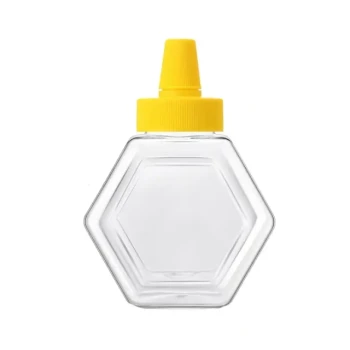
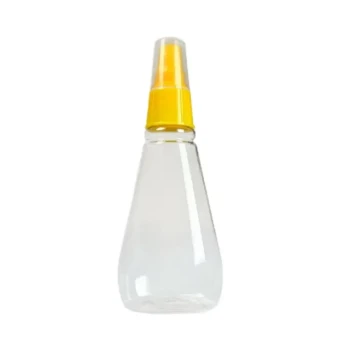
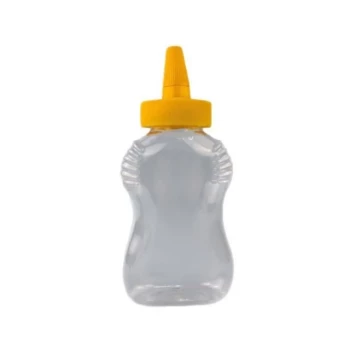
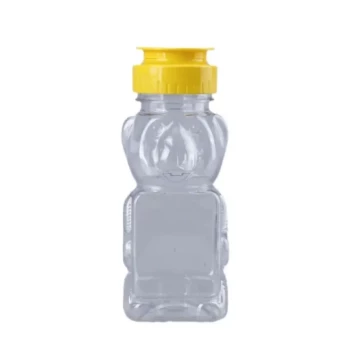
The primary purpose of using alcohol collection bottles containing 70% ethanol is to serve as an immediate biological fixative and preservative for honeybee samples. This method effectively prevents external parasites, such as Varroa mites, from escaping the sample while simultaneously inhibiting microbial growth that could degrade the specimen. By rapidly stabilizing the bees at the moment of collection, the ethanol ensures that subsequent counts of parasites and pathogens in the laboratory are accurate and representative of the colony's actual health.
By acting as a stabilizing agent, 70% ethanol serves as a "stop-watch" for biological activity, preserving the physical and genetic state of the sample to ensure laboratory analysis mirrors field conditions.
Preserving Sample Integrity for Disease Analysis
Preventing Parasite Loss
The immediate immersion of samples in 70% ethanol is crucial for accurate Varroa mite surveillance. The solution fixes the sample instantly, preventing mobile parasites from detaching from their hosts and being lost during transport.
Facilitating Mechanical Separation
While the ethanol fixes the sample, it also aids in the processing phase. It allows for the effective separation of mites from bees through mechanical agitation, making the counting process more efficient and accurate.
Stabilizing Pathogen Morphology
For microscopic analysis, physical structure is everything. The ethanol solution maintains the morphology of Nosema spores, ensuring they remain recognizable and countable during high-magnification diagnosis.
Protecting Genetic Material
Halting Biological Degradation
Beyond visual inspection, ethanol is essential for molecular biology. Industrial-grade ethanol rapidly penetrates honeybee tissues to inhibit enzyme activity and stop the proliferation of microorganisms.
Preserving Mitochondrial DNA
By checking microbial growth and enzymatic breakdown, the solution prevents the degradation of mitochondrial DNA (mtDNA). This ensures the integrity of the genetic material is maintained for complex molecular experiments and sequencing.
Critical Considerations for Accuracy
The Necessity of Immediate Fixation
The effectiveness of this method relies on the immediacy of the application. Any delay between collection and fixation can lead to parasite detachment or DNA degradation, rendering the sample unreliable.
Standardization Reduces Error
Using standardized bottles and solutions eliminates variables caused by field operations. This reduces random errors and ensures that samples collected in remote or high-altitude locations are biologically comparable to those from accessible regions.
Ensuring Reliable Data in Your Surveys
To maximize the value of your honeybee disease surveys, align your preservation method with your analytical goals:
- If your primary focus is Parasite Load Calculation: Rely on 70% ethanol to prevent Varroa detachment and facilitate the mechanical separation required for accurate counts.
- If your primary focus is Microscopic Pathogen Diagnosis: Use this concentration to fix the morphology of Nosema spores, ensuring they do not degrade before reaching the microscope.
- If your primary focus is Molecular Genetics: Ensure thorough tissue penetration to inhibit enzymatic activity and preserve mtDNA integrity for sequencing.
Standardization in the field is the only way to guarantee precision in the lab.
Summary Table:
| Function | Benefit to Survey Accuracy |
|---|---|
| Immediate Fixation | Prevents Varroa mites from escaping the sample during transport. |
| Morphology Stabilization | Keeps Nosema spores recognizable for clear microscopic diagnosis. |
| Biological Inhibition | Halts enzymatic activity to preserve mitochondrial DNA (mtDNA). |
| Mechanical Aid | Facilitates easier separation of parasites from bees during lab counts. |
| Standardization | Reduces field errors for consistent data across different locations. |
Maximize Your Colony Productivity with HONESTBEE
At HONESTBEE, we understand that accurate disease surveillance is the backbone of a successful commercial apiary. As a premier partner for commercial apiaries and honey product distributors, we provide the professional-grade tools you need to maintain colony health and operational efficiency.
From high-precision honey-filling and hive-making machinery to a comprehensive range of wholesale beekeeping tools and essential consumables, our portfolio is designed to scale your business. Whether you are conducting large-scale disease surveys or looking to upgrade your processing facility, HONESTBEE delivers the expertise and equipment to help you succeed.
Ready to elevate your beekeeping operations?
Contact our expert team today to discuss our wholesale offerings and customized machinery solutions.
References
- Kirsten S. Traynor, Dennis vanEngelsdorp. Multiyear survey targeting disease incidence in US honey bees. DOI: 10.1007/s13592-016-0431-0
This article is also based on technical information from HonestBee Knowledge Base .
Related Products
- Food Grade Plastic Honey Bucket Pail for Beekeeping
- Hexagonal Squeeze Honey Bottle with No Drip Lid
- Classic Beehive Honey Bottle Jar with Squeeze Dispenser Lid
- Varroa Easy Check Mite Tester Kit Counter Alcohol Wash Jar
- Premium PET Squeeze Honey Bottle with Ergonomic Grip and Rotary Dispenser
People Also Ask
- What key operational precautions should be taken when using honey buckets and extractors fitted with bottom drain taps?
- What functions do food-grade honey buckets perform? Safeguard Your Harvest and Optimize Apiary Logistics
- Why are food-grade plastic buckets preferred for honey? Protect Quality with Modern Honey Collection Tools
- What is the significance of food-grade plastic honey collection buckets? Boost Quality in Forest Honey Logistics
- What is a honey pail? The Essential Container for Protecting Your Honey's Value