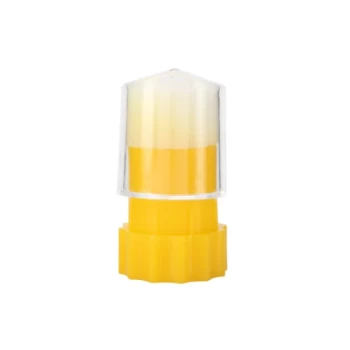
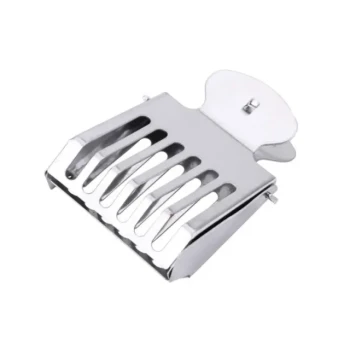
The primary purpose of using non-toxic wide-tip markers is to apply a specific color code to the queen bee’s thorax, facilitating rapid identification and precise age tracking. By adhering to international color standards, beekeepers create a permanent visual record of the queen's breeding and installation year directly on the insect. This tracking is essential for monitoring declining productivity and accurately managing the queen replacement cycle.
Marking a queen bee transforms hive management from a guessing game into a precise data-driven process. It allows for immediate visual confirmation of the queen’s presence and age, which is critical for maintaining high colony productivity and minimizing inspection stress.
The Strategic Value of Marking
Enhancing Visual Identification
Locating a single queen within a dense colony of thousands is notoriously difficult. A wide-tip marker applies a distinct spot of color that acts as a beacon. This makes the queen significantly easier to spot during routine checks.
Reducing Inspection Stress
Because the queen is easier to find, the time required to keep the hive open is drastically shortened. This efficiency reduces the disturbance to the colony structure. Less time searching means less stress on the bees and a quicker return to normal hive activity.
Tracking Age and Productivity
The color of the marker is not random; it follows a standardized annual rotation. This visual code tells you exactly when the queen was introduced. By correlating her age with her brood pattern, you can monitor for declining productivity and plan her replacement before the colony weakens.
Diagnosing Colony Events
Detecting Supercedure
Marking provides proof of identity for the reigning queen. If you open a hive that previously held a marked queen and find an unmarked one, you know a biological event has occurred.
Identifying Swarm Activity
The presence of an unmarked queen usually indicates that the original queen has either been superseded (replaced by the colony) or has swarmed. This insight allows the beekeeper to adjust management strategies immediately, rather than assuming the original genetic line is still in place.
Critical Considerations and Trade-offs
The Necessity of Non-Toxic Ink
You must strictly verify that the marker is non-toxic. Standard permanent markers often contain solvents or heavy fumes that are lethal to insects. Using an improper marker runs a high risk of poisoning the queen or damaging her exoskeleton.
Application Precision
While wide-tip markers offer better visibility, they require careful handling. Applying too much pressure or ink can cover the queen’s spiracles (breathing tubes) or sensory organs. The goal is a clean, visible dot on the thorax without contaminating the head or wings.
Making the Right Choice for Your Goal
Effective apiary management relies on knowing the status of your queen at a glance.
- If your primary focus is optimizing productivity: Use color coding to track queen age, replacing her proactively when her year-group suggests a decline in egg-laying.
- If your primary focus is inspection efficiency: Rely on the visual mark to quickly verify the queen is alive and present, minimizing the duration of hive disturbances.
By converting the queen's history into a visual indicator, you secure the ability to manage the future growth of your colony.
Summary Table:
| Feature | Benefit for Queen Management |
|---|---|
| International Color Coding | Precise tracking of the queen's birth year and replacement cycle. |
| Wide-Tip Applicator | Increased visibility for rapid queen location among thousands of bees. |
| Non-Toxic Ink Formulation | Ensures the queen's safety, preventing respiratory or exoskeleton damage. |
| Visual Evidence | Facilitates immediate detection of supercedure or swarm events. |
| Reduced Inspection Time | Minimizes hive exposure and colony stress during routine checks. |
Elevate Your Apiary's Precision with HONESTBEE
Efficient queen management is the backbone of a productive honey operation. As a dedicated partner to commercial apiaries and global distributors, HONESTBEE provides the professional-grade tools you need to succeed. From specialized non-toxic marking equipment to advanced honey-filling machinery and high-quality hive-making tools, we supply the full spectrum of hardware and consumables required for large-scale success.
Whether you are scaling your honey production or stocking essential supplies for beekeepers, our comprehensive wholesale offering is designed to add value to your business. Contact us today to learn how our industry-leading equipment and honey-themed cultural merchandise can enhance your portfolio and operational efficiency.
References
- Francesca Michelini, Devan Rawn. The Basics of Queen Management in Beekeeping Operations. DOI: 10.32473/edis-in1457-2025
This article is also based on technical information from HonestBee Knowledge Base .
Related Products
- Queen Bee Marking Pen POSCA Queen Marking Pens for Beekeeping Bee Markers
- Plastic Long Marker Device for Catching and Marking Bees Queen Bee Marking Tube and Cage
- Queen Bee Marking Pen UNI Medium Point for Queen and Bee Marking
- Queen Bee Marking Tube Cage Bottle Catcher Holder with Clear Plastic Plunger Marker
- One Hand Yellow Queen Marking Catcher Tube Cage Beekeeper Tool Accessory for Queen Bee
People Also Ask
- What role do specialized marking pens and color-coding systems play in honeybee tracking? Enhance Research Precision
- Why are specialized marking pens used for stingless bee queens? Essential Tools for Large-Scale Breeding Success
- How should a new paint pen be primed before marking a queen bee? Essential Tips for Safe & Clear Markings
- How should a queen bee marking pen tip be properly primed? Master the Art of Safe Queen Marking
- What specifications are required for a high-quality queen bee marking pen? Ensure Safety and Precision for Your Colony