The principal concept of honey harvesting is a systematic process of identifying combs containing ripe honey, separating the bees from those combs, and extracting the liquid for filtration. This procedure relies on gentle physical removal techniques to ensure the safety of the colony while securing the product for processing.
The core objective of harvesting is to extract honey at the peak of ripeness—defined by low moisture content—while strictly limiting heat exposure to preserve the natural enzymes, pollen, and amino acids that define raw honey.
The Extraction Workflow
Identifying Ripe Honey
The process begins by inspecting the hive to locate combs that are ready for harvest.
You are looking for ripe honey, which is distinct from nectar that is still being processed by the bees.
Technically, this means ensuring the honey has a moisture content below 18.5%.
Clearing the Bees
Once the correct combs are identified, the bees must be removed without harming them.
The primary technique involves shaking the bees off the comb.
However, young bees often cling tightly to the frame. To address this, a bee brush is used to gently sweep them away, ensuring the comb is clear for transport.
Processing the Comb
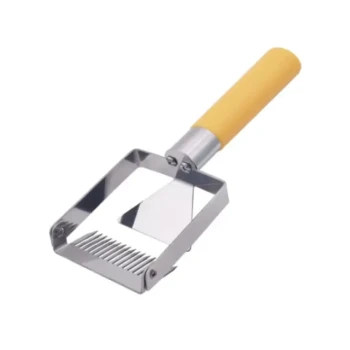
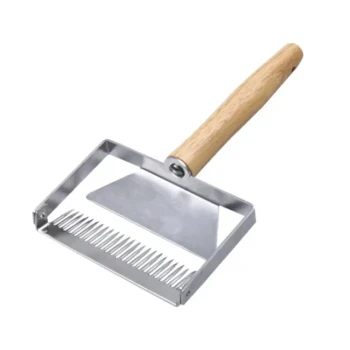
Uncapping the Cells
Bees seal ripe honey behind wax caps. To access the honey, these caps must be removed, a process known as "uncapping."
This exposes the liquid honey inside the cells, preparing it for extraction.
Spinning and Separation
The uncapped frames are placed into a honey extractor.
This device uses centrifugal force to spin the honey out of the comb.
This method effectively separates the liquid from the structural wax without destroying the comb, allowing the frame to potentially be reused.
Straining the Product
Once extracted, the honey is strained.
This step removes bits of wax, propolis, or other debris introduced during the uncapping process.
The goal is a clean liquid that retains the chemical integrity of the original product.
Understanding the Critical Trade-offs
Heat vs. Nutrition
A common pitfall in harvesting is the application of heat to make the honey flow faster.
To maintain the status of "raw" honey, the temperature must never exceed 110°F.
Exceeding this limit destroys the natural yeasts, enzymes, and active ingredients that give honey its nutritional value.
Moisture vs. Spoilage
Harvesting too early is a critical error.
If the honey has not been capped or if the moisture content is above 18.5%, the honey is likely to ferment and spoil.
You must trade the speed of harvest for the patience required to let the bees dehydrate the nectar fully.
Making the Right Choice for Your Goal
To apply these concepts effectively, align your methods with your end-product goals:
- If your primary focus is nutritional value: strict temperature control is paramount; ensure your processing environment never exceeds 110°F to protect enzymes and amino acids.
- If your primary focus is shelf stability: verify that moisture levels are strictly below 18.5% before removing any frames from the hive to prevent fermentation.
Mastering honey harvesting is ultimately about balancing efficient extraction with the biological constraints required to keep the product "alive."
Summary Table:
| Harvesting Stage | Key Requirement | Primary Tool/Method |
|---|---|---|
| Identification | < 18.5% Moisture Content | Visual inspection of capped cells |
| Clearing Bees | Gentle physical removal | Bee brush or shaking |
| Uncapping | Exposing liquid honey | Uncapping knife or fork |
| Extraction | Centrifugal force | Honey Extractor |
| Processing | < 110°F Temperature | Straining and filtration |
Elevate Your Honey Production with HONESTBEE
At HONESTBEE, we understand that the principal concept of harvesting is only as effective as the equipment you use. We provide commercial apiaries and distributors with professional-grade solutions designed to preserve the integrity of your honey.
From high-efficiency honey-filling machines and precision honey extractors to a full spectrum of wholesale beekeeping tools and hive-making machinery, we supply everything your business needs to scale efficiently. Our portfolio even includes honey-themed cultural merchandise to help you market your brand.
Ready to optimize your apiary or expand your distribution?
Contact HONESTBEE Today for a Wholesale Consultation
Related Products
- Stainless Steel Pivoting Honey Uncapping Fork with Plastic Handle
- All-Stainless Steel Pivoting Honey Uncapping Fork for Beekeeping
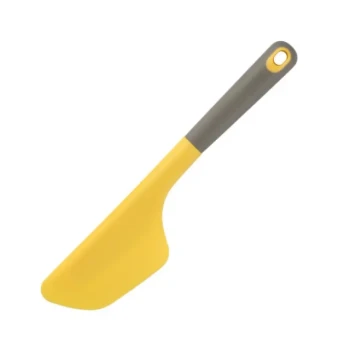
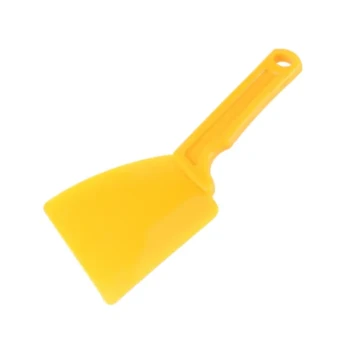
- Professional Wide Blade Honey Scraper for Beekeeping and Honey Processing
- HONESTBEE 3-Frame Manual Acrylic Honey Extractor
- Stainless Steel Manual 8 Frame Radial Honey Extractor Machine for Beehives
People Also Ask
- What is the design purpose of honey uncapping forks and honey uncapping tanks? Maximize Your Harvest Efficiency
- How does a honey uncapping fork supplement the use of an uncapping knife? Boost Your Honey Yield and Extraction Efficiency
- What are the essential tools for uncapping honey frames? Choose the Right Tool for Your Apiary
- What other tools are available for honey uncapping besides knives? Find the Right Tool for Your Apiary's Scale
- What tools are used for honey uncapping? Choose the Right Knife for Your Harvest