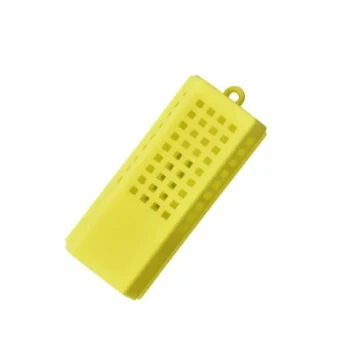
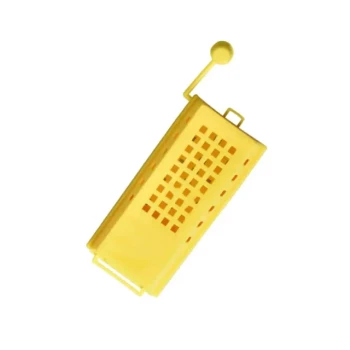
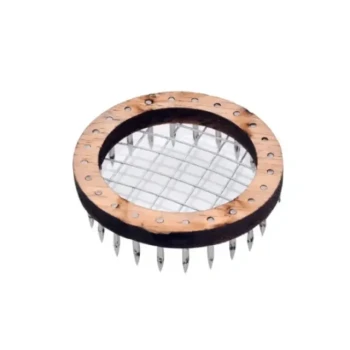
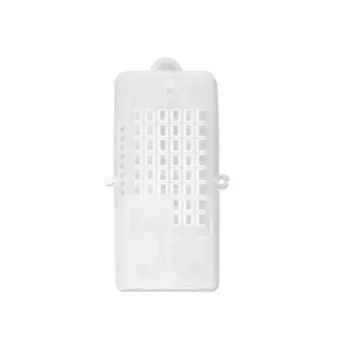
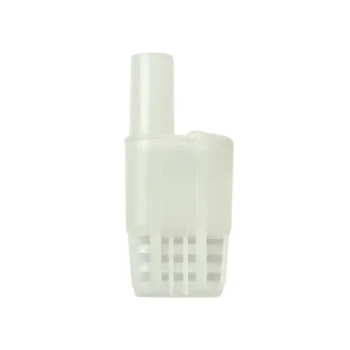
Installing a new queen via a shipping cage is a delicate procedure that prioritizes the gradual integration of the new queen's pheromones with the existing colony. The process involves removing the old queen, preparing the shipping cage's candy release mechanism, and positioning the cage vertically between brood frames to ensure a safe, delayed release.
The success of this method relies entirely on the "slow release" principle. The candy plug in the shipping cage acts as a biological timer, keeping the queen protected until her scent has blended with the hive, thereby preventing rejection by the worker bees.
Preparation and Removal
Eliminating the Old Queen
You cannot introduce a new queen until the colony is queenless. First, find and remove the old queen.
Handling Elusive Queens
If the old queen is difficult to locate, place queen excluders between the brood supers. Leave them for four days to confine her to a smaller area, making her significantly easier to find and remove.
Preparing the Shipping Cage
Exposing the Candy
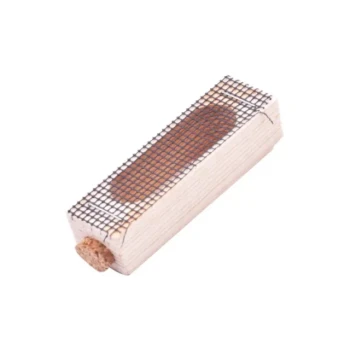
Once the colony is prepared, take your new shipping cage. Remove the cork or cover from the candy end of the cage.
Understanding the Mechanism
Do not remove the candy itself. This candy acts as a time-delay mechanism. As the bees eat through it, the new queen’s scent slowly blends with the colony’s scent.
Placement Strategy
Vertical Positioning
Press the cage into the center of a brood frame. It is critical that the cage is positioned vertically.
Candy End Up
Ensure the candy end is facing up. If the candy end is down, attendant bees inside the cage may die and fall into the exit hole, permanently trapping the queen inside.
Securing the Cage
Sandwich the shipping cage tightly between two adjacent brood frames. This holds the cage in place and maximizes contact with the nurse bees in the hive.
Verification and Timeline
The Three-Day Check
Wait three days before checking the hive. Inspect the cage to see if the queen has been released.
Assisting the Release
If the queen is still inside and the candy appears hard, she may need help. Gently poke a small hole through the candy to accelerate the workers' progress.
The Ten-Day Confirmation
After the release check, wait a total of 10 days from the initial installation before searching for the queen again. When you inspect, look for eggs. Finding eggs is the definitive confirmation of successful acceptance.
Common Pitfalls to Avoid
Premature Disturbance
Checking the hive too frequently disrupts the pheromone bonding process. Disturbing the colony before the 10-day mark can cause the workers to reject or attack the new queen.
Orientation Errors
The most common mechanical failure is installing the cage horizontally or with the candy down. Gravity will cause dead bees to block the exit, resulting in a failed installation.
Ensuring Colony Acceptance
To maximize the survival rate of your new queen, tailor your approach based on your specific verification goals:
- If your primary focus is acceptance safety: Ensure the cage is strictly vertical with the candy end up to prevent blockage by dead attendants.
- If your primary focus is confirmation: Do not disturb the brood nest to look for the queen herself; spotting eggs after 10 days is a safer and more reliable indicator of success.
Patience during the candy-eating phase is the single most important factor in a successful transition.
Summary Table:
| Step | Action Item | Key Requirement |
|---|---|---|
| 1. Preparation | Remove old queen | Ensure hive is queenless for at least 4 days |
| 2. Cage Prep | Expose candy plug | Remove cork/cover from the candy end only |
| 3. Placement | Position vertically | Candy end MUST face up to prevent blockages |
| 4. Verification | 3-day check | Ensure queen is released; poke hole in candy if needed |
| 5. Confirmation | 10-day inspection | Look for fresh eggs as proof of acceptance |
Maximize Your Colony’s Productivity with HONESTBEE
Successful beekeeping starts with the right equipment. At HONESTBEE, we specialize in supporting commercial apiaries and distributors with high-quality, wholesale solutions. Whether you are managing queen introductions or scaling up production, we provide everything from hive-making machinery and honey-filling equipment to essential consumables and beekeeping tools.
Why choose HONESTBEE?
- Full Spectrum Supply: A comprehensive portfolio covering hardware, machinery, and cultural merchandise.
- Industry Expertise: Tailored solutions designed for large-scale operations and distribution networks.
- Reliable Support: We help you streamline your honey production from the hive to the bottle.
Ready to upgrade your apiary’s efficiency? Contact us today to discuss your wholesale needs!
Related Products
- JZBZ Style Professional Battery Box with 20 Shipping Cages
- Professional Queen Bee Introduction and Transport Cage
- Professional Multi-Compartment Queen Cage with Sliding Lid
- Professional Queen Cage with Sliding Gate and Feeder Plug
- Durable Plastic Push In Queen Bee Cage
People Also Ask
- Why are specialized queen bee cages used for the banking of mated queen bees? Maximize Commercial Apiary Storage Efficiency
- How do different materials in queen bee shipping boxes affect temperature? Optimize Bee Health During Transit
- What is the mechanism of action for using temporary queen bee cages? Master Successful Queen Introduction
- What protective role do independent attendant bee partition compartments play? Ensure Safe Queen Bee Transit
- How do specialized logistics consumables like queen bee transport boxes affect biodiversity? Trade-offs & Trends