The only safe method for drying beekeeping suits and jackets is to hang them to air-dry in a well-ventilated area. You must strictly avoid using mechanical dryers, as the heat and tumbling action can irreparably damage the protective qualities of the gear.
Core Takeaway Mechanical dryers pose two distinct risks: they shrink the fabric, compromising the safety seal at wrists and ankles, and they melt residual wax, spreading sticky debris across the suit. Air-drying on a hanger preserves the garment's fit, visibility, and structural integrity.
The Risks of Mechanical Drying
Preventing Fabric Shrinkage
The primary danger of using a clothes dryer is heat-induced shrinkage. Beekeeping suits are designed with a specific fit to ensure that seals at the wrists, ankles, and neck remain tight against bee entry.
Even minor shrinkage can cause cuffs to ride up, exposing your skin to stings. Cotton and mixed-blend fabrics used in apiary gear are particularly susceptible to this distortion when exposed to mechanical heat.
Managing Residual Wax and Propolis
Even after a thorough wash, beekeeping gear often retains small traces of beeswax and propolis.
A hot dryer will melt these residues. This causes the wax and propolis to spread across the fabric, leaving sticky patches that attract dirt or potentially clogging the fine mesh of the veil.
Best Practices for Air-Drying
Utilizing Proper Ventilation
To dry the gear effectively, place the suit or jacket on a sturdy hanger in an area with strong airflow.
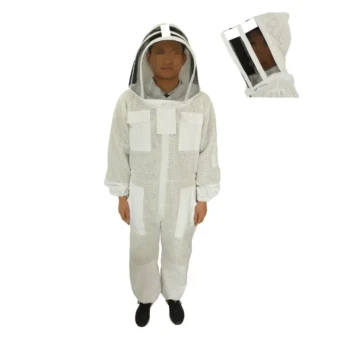
If you use ventilated mesh gear, you will find that it dries very quickly on its own. The open structure of the mesh facilitates rapid evaporation without the need for external heat sources.
Avoiding Direct Sunlight
While outdoor drying is efficient, you should avoid hanging the suit in direct, intense sunlight.
Supplementary guidelines indicate that UV rays can degrade fabrics over time. Drying in a shaded, breezy spot protects the material from becoming brittle or discolored while ensuring it dries thoroughly.
Common Pitfalls to Avoid
The Danger of Warped Components
Protective gear often includes specialized components like stiff veils, screen masks, or plastic zippers.
High heat does not just affect the fabric; it can warp these rigid elements. A warped veil may obstruct your peripheral vision or create gaps in the protective seal, rendering the suit unsafe for hive inspections.
Compromising Material Integrity
Attempting to speed up the process with heat can weaken the fabric fibers.
This reduces the overall lifespan of the gear. Since the suit is your primary barrier against stings, maintaining the tensile strength of the material is critical for long-term safety.
Optimizing Your Gear Maintenance Routine
To ensure your protective equipment remains safe and functional, tailor your drying process to these specific goals:
- If your primary focus is Equipment Longevity: Hang the suit in a shaded area to prevent UV damage and fabric degradation.
- If your primary focus is Safety and Fit: Avoid all heat sources to ensure zero shrinkage, keeping wrist and ankle seals tight against stings.
- If your primary focus is Speed: Utilize a fan in a well-ventilated room to circulate air rather than applying direct heat.
Patience during the drying process is an investment in your safety for the next hive inspection.
Summary Table:
| Feature | Air-Drying (Recommended) | Mechanical Drying (Avoid) |
|---|---|---|
| Fabric Integrity | Preserves fit and tensile strength | Causes shrinkage and fiber degradation |
| Wax/Propolis | Remains stable until next wash | Melts and spreads, clogging mesh |
| Safety Seals | Keeps wrist/ankle seals tight | Causes cuffs to ride up, exposing skin |
| Components | Protects veils and plastic zippers | Warps rigid parts and obstructs vision |
| UV Exposure | Safe in shaded, breezy areas | Not applicable (but avoids heat damage) |
Elevate Your Apiary Operations with HONESTBEE
Maintaining your protective gear is just the first step in a successful beekeeping operation. At HONESTBEE, we specialize in supporting commercial apiaries and distributors with high-quality, professional-grade equipment. Whether you need to scale up with advanced honey-filling machines, upgrade your fleet of beekeeping suits, or stock your shelves with honey-themed cultural merchandise, we offer the comprehensive wholesale solutions you need.
Our portfolio covers the full spectrum of industry essentials, from specialized hardware to high-volume consumables. Let us help you optimize your business with tools built for durability and performance.
Ready to upgrade your equipment? Contact us today to discuss your wholesale needs!
Related Products
- White Cotton Beekeeping Jacket and Veil for Bee Keepers
- Economy Polyester Beekeeping Jacket with Veil and Hat
- Beekeeping Jacket with Hood and Veil for Beekeepers
- Vented Beekeeping Jacket with Hood and Veil for Beekeepers
- Premium Cotton Beekeeper Suit with Reinforced Fencing Veil
People Also Ask
- What are the features of an economical beekeeping jacket? Essential Protection for Budget-Conscious Beekeepers
- What are the pros of using a beekeeping jacket? Unlock Superior Comfort and Mobility for Your Apiary
- What factors should a new beekeeper consider when choosing between a jacket and a full suit? Security vs. Comfort
- What are the advantages of a beekeeping jacket? Superior Mobility & Comfort for Routine Hive Inspections
- When is a beekeeping jacket considered a more suitable choice than a full suit? Optimize Your Apiary Mobility