To effectively prevent honey from absorbing moisture, you must store it in a sealed, airtight container located in a dry environment. Because honey naturally attracts water from the surrounding air, creating a physical barrier against humidity is the only way to preserve its stability and prevent spoilage.
Honey is highly susceptible to environmental humidity, which can compromise its quality. The key to preservation is total isolation from moisture, achieved through a combination of airtight sealing and careful handling practices.
The Mechanics of Moisture Control
The Necessity of an Airtight Seal
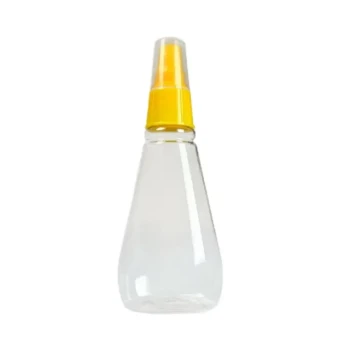
The primary defense against moisture absorption is the container itself. You should strictly use containers that provide an airtight seal.
This seal prevents humid air from circulating over the surface of the honey. Without this barrier, the honey will continuously pull water molecules from the atmosphere.
Selecting the Optimal Environment
Beyond the container, the surrounding environment plays a crucial role. You must store your honey in a dry area.
Avoid locations prone to high humidity, such as near a dishwasher, stove, or a damp basement. Keeping the container in a consistently dry spot minimizes the risk of moisture infiltration if the seal is imperfect.
Operational Hygiene
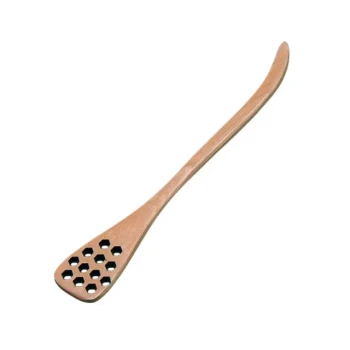
Moisture can also be introduced manually during use. It is critical that you always use a dry spoon when dipping into the jar.
Even a microscopic amount of water introduced by a wet utensil can disrupt the moisture balance of the honey. This internal contamination is just as damaging as atmospheric humidity.
Understanding the Risks: Why Moisture Matters
The Threat of Fermentation
The most significant risk of moisture absorption is fermentation.
Honey has a naturally low moisture content that inhibits bacteria and yeast. If the water content rises due to poor storage or wet utensils, naturally occurring yeasts can activate and spoil the honey.
Quality Degradation
Even if fermentation does not occur immediately, excess moisture lowers the overall quality of the product.
Diluted honey loses the viscosity and stability that define its shelf life. Maintaining the original moisture levels is essential for keeping the honey in its prime state.
Best Practices for Long-Term Storage
To ensure your honey remains stable and moisture-free, adhere to the following guidelines:
- If your primary focus is daily access: Ensure the lid is tightened securely after every single use and strictly use dry utensils.
- If your primary focus is long-term preservation: Store the airtight container in a dedicated dry pantry away from kitchen steam or humidity sources.
By rigorously controlling the seal and the environment, you ensure your honey retains its quality indefinitely.
Summary Table:
| Storage Factor | Recommended Practice | Why It Matters |
|---|---|---|
| Container Type | Airtight glass or food-grade plastic | Prevents honey from pulling water from the air |
| Environment | Cool, dry pantry away from steam | Minimizes exposure to high humidity levels |
| Utensils | Always use a bone-dry spoon | Prevents internal moisture contamination |
| Risk Factor | Moisture content above 18-19% | Leads to yeast activation and fermentation |
Elevate Your Beekeeping Business with HONESTBEE
At HONESTBEE, we understand that preserving honey quality is just as important as the harvest itself. As a premier partner for commercial apiaries and distributors, we provide the professional-grade tools you need to maintain product integrity at scale.
Our comprehensive wholesale selection includes:
- Advanced Machinery: High-precision honey-filling and hive-making machines.
- Professional Hardware: Durable beekeeping tools and industrial-scale equipment.
- Essential Consumables: Everything required for a productive and efficient apiary.
- Cultural Merchandise: Unique honey-themed products to expand your brand's reach.
Ready to optimize your production and supply chain? Contact us today to discover how our wholesale solutions can drive growth for your business!
Related Products
- High Quality Honey Dehumidifier Dryer Thickening Machine for Beekeeping
- Modern Honeycomb Pattern Wooden Honey Dipper for Stirring and Drizzling
- Economy Small Scale Honey Dryer Dehumidifier Thickening Machine
- Classic Honey Bear Jars with Flip Top Dispensing Cap for Liquid Sweeteners
- Inverted Squeezable Honey Jar with No Drip Flip Top Cap for Easy Pouring
People Also Ask
- Can you dehumidify honey? A Beekeeper's Guide to Preventing Fermentation
- How to dry up honey? The Safe Guide to Stabilizing Honey and Preventing Fermentation
- How can the moisture content of honey be reduced? A Guide to Safe, Effective Drying Methods
- How to remove humidity from honey? Protect Your Harvest from Fermentation
- What is the process for using a dehumidifier to lower honey's moisture content? Expert Drying Techniques